
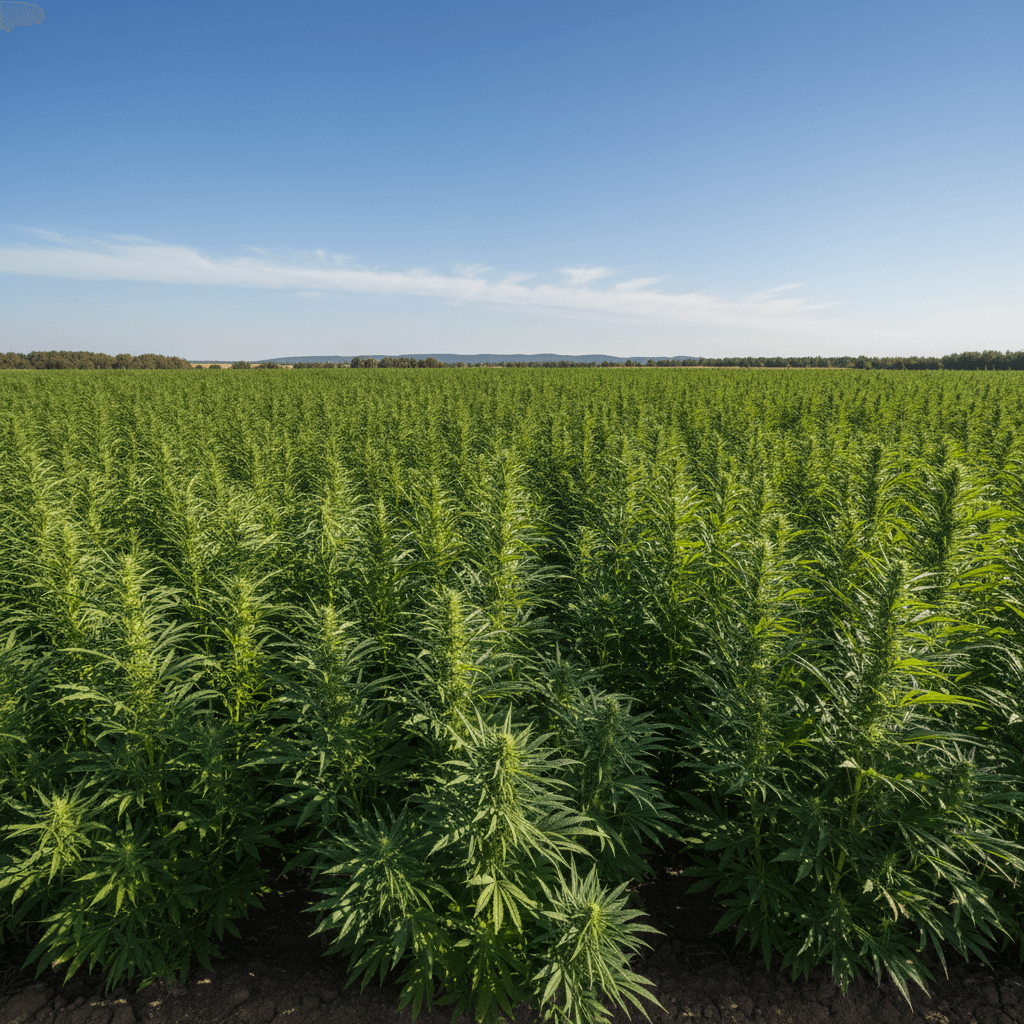
New Zealand-based company Puro is adopting outdoor cultivation methods for its crops, a strategy that highlights the agricultural potential of leveraging natural environments for large-scale production. This approach, as discussed by Tim Aldridge from Puro, aims to utilize natural sunlight in its production process, aligning with principles often seen in efficient cannabis farming.
The decision to embrace outdoor cannabis cultivation reflects a broader trend towards optimizing agricultural practices for both efficiency and sustainability. By relying on natural elements, growers can potentially reduce the operational costs and environmental footprint often associated with more controlled environment agriculture, such as indoor facilities.
The Agronomy of Outdoor Cannabis Cultivation
Outdoor cannabis cultivation offers several agronomic advantages, particularly for operations aiming for significant scale in biomass production. Unlike indoor or greenhouse environments that demand artificial lighting, precise climate control, and extensive infrastructure, outdoor fields harness the sun’s energy and, where available, natural rainfall.
Leveraging Natural Resources
- Sunlight: Natural sunlight provides the full spectrum of light necessary for robust plant growth, often more efficiently and economically than artificial systems. This can support plant development and potentially higher yields per unit of energy input.
- Soil and Nutrients: Outdoor cultivation allows plants to draw essential nutrients directly from the soil, reducing the need for complex hydroponic systems or frequent, precise nutrient solution management. Effective soil health management, including practices like crop rotation, cover cropping, and the application of organic amendments, becomes central to sustainable outdoor operations.
- Natural Ventilation: Open-air environments provide continuous natural air circulation. This can help manage common issues in enclosed growing spaces, such as humidity buildup, stagnant air pockets, and the proliferation of certain pests and diseases, contributing to healthier plants.
Scaling Production for Market Needs
A primary benefit of outdoor cannabis cultivation is the inherent ability to scale operations. Large tracts of suitable agricultural land can be dedicated to cannabis, enabling significant production volumes that would be economically unfeasible in most indoor facilities. This scalability is crucial for reliably supplying raw materials to growing markets.
According to a report by GN: medicinal cannabis, Puro’s strategy involves using outdoor-grown products to address the global market. This indicates a focus on achieving the volume and cost-effectiveness that outdoor methods are well-suited to provide.
Efficiency and Sustainability Considerations
The adoption of outdoor cultivation practices by companies like Puro underscores a practical commitment to both economic efficiency and environmental sustainability within the agricultural sector.
Reduced Energy Footprint
One of the most significant environmental benefits of outdoor cannabis cultivation is the substantial reduction in energy consumption. Indoor growing operations, while offering precise environmental control, are inherently energy-intensive due to their reliance on artificial lighting, heating, ventilation, and air conditioning (HVAC) systems. By contrast, outdoor fields largely negate these energy demands, leading to a considerably lower carbon footprint per kilogram of biomass produced and supporting broader sustainability goals.
Economic Implications for Growers
For farmers and agricultural businesses, the economic advantages of outdoor cultivation are considerable. Lower capital expenditure on specialized indoor infrastructure and significantly reduced ongoing utility costs can lead to improved profit margins. This can make large-scale cannabis farming more accessible and potentially more competitive in global markets, particularly for establishing robust raw material supply chains.
As the medicinal cannabis sector continues to expand globally, the focus on efficient, scalable, and environmentally conscious cultivation methods, such as those demonstrated by Puro, will be increasingly important. Embracing natural growing conditions supports the development of a robust and sustainable supply chain for diverse cannabis-based products.
Disclaimer: This article is for informational purposes only and does not constitute medical advice. Hemp Gazette does not provide medical recommendations, diagnoses, or treatment plans. Always consult a qualified healthcare practitioner before making any decisions regarding your health or any medical condition. Statements concerning the therapeutic uses of hemp, cannabis, or cannabinoid-derived products have not been evaluated by Australia’s Therapeutic Goods Administration (TGA). Medicinal cannabis products in Australia are accessed via prescription pathways under TGA regulation.