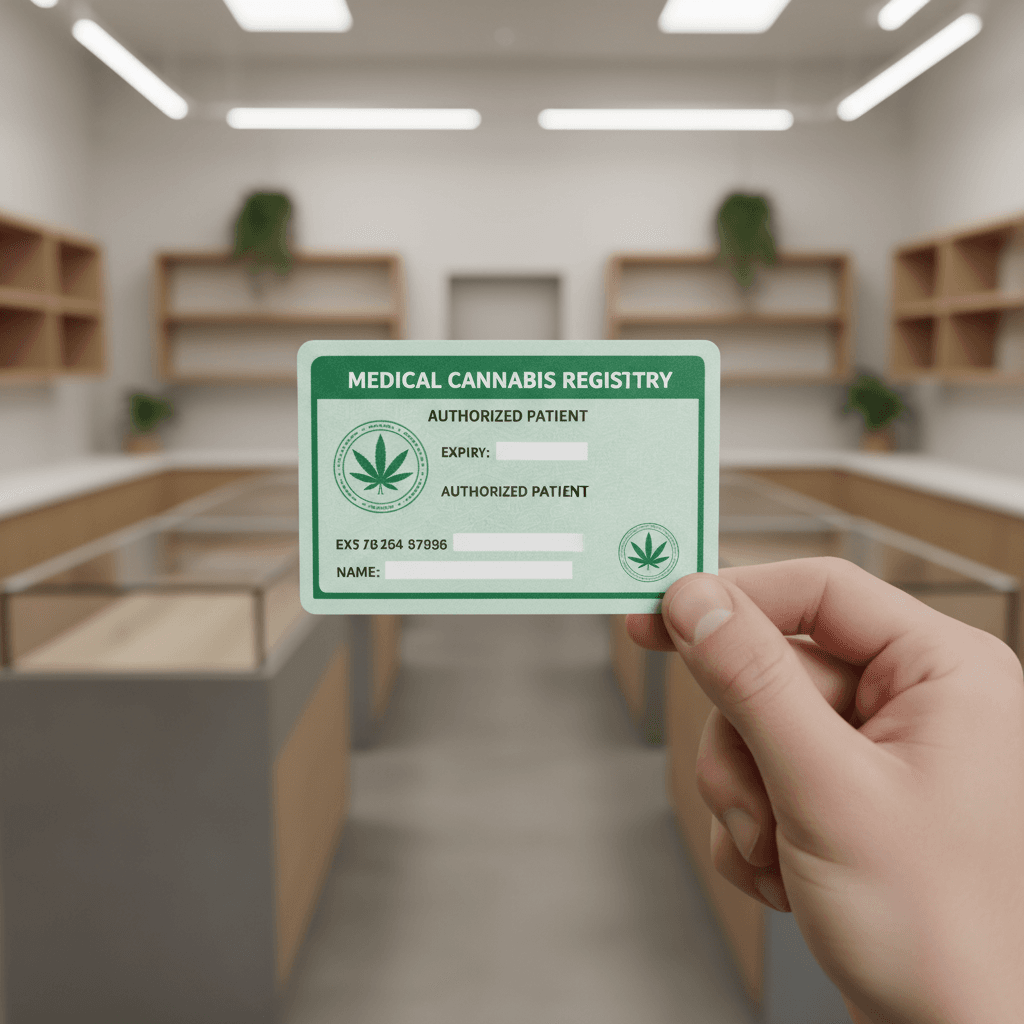
Patients in Alabama who have received their medical cannabis registry cards are currently awaiting the opening of licensed dispensaries to access prescribed products. Despite the state’s regulatory framework being in place for some time, the final step of patient access remains pending, creating a gap between card issuance and product availability.
Regulatory Framework and Licensing Progress
The journey toward establishing a medical cannabis program in Alabama began with the signing of the Compassion Act in 2021 by Governor Kay Ivey. This legislation legalized medical cannabis for qualifying patients, setting the stage for a regulated industry. Following the Act, the state proceeded with licensing various components of the supply chain.
- Three years after the Act was signed, the state awarded licenses to cultivators responsible for growing medical cannabis.
- Last December, the Alabama Medical Cannabis Commission (AMCC) approved licenses for four dispensaries.
- Earlier this year, the AMCC opened its patient registry, allowing eligible individuals to apply for and receive medical cannabis cards.
As reported by WVTM 13, nearly 200 Alabamians have now obtained these medical cannabis cards. Additionally, more than 50 certified physicians across the state are certified to issue medical cannabis recommendations, indicating a growing patient base.
Patient Frustration Amidst Delays
Despite holding valid medical cannabis cards, patients are currently unable to purchase products because none of the four licensed dispensaries have commenced operations. This delay has led to frustration among individuals who have completed the necessary steps to qualify for treatment.
Brenda Keeney, a patient from Vincent, Alabama, expressed her dissatisfaction to WVTM 13, stating, "I have my card right here, and I can’t even get medicine. This is ridiculous." Keeney, who suffers from fibromyalgia and neuropathy, was recommended medical cannabis by her doctor as an alternative to narcotics. She previously utilized medical cannabis in Florida, where the program has been operational for over a decade.
The anticipated opening of dispensaries, such as Bama Bloom in Birmingham, is projected for mid-summer, according to the report. This timeline suggests that patients like Keeney will need to wait several more weeks or months before they can fill their prescriptions. As previously reported by Hemp Gazette, Alabama’s first medical cannabis dispensary was nearing opening, but widespread patient access has not yet materialized.
Navigating Alabama Medical Cannabis Access
The Alabama Cannabis Coalition, a non-profit organization, has been instrumental in advocating for the state’s medical cannabis program. The group provides resources and outlines the steps patients need to take to obtain a medical cannabis card and understand the new program. As the number of certified doctors and registered patients continues to increase, the demand for operational dispensaries is expected to intensify.
The current situation highlights a common challenge in the rollout of new medical cannabis programs: the lag between legislative approval, regulatory implementation, and the establishment of a fully functional supply chain capable of serving patients. Stakeholders are monitoring the progress of the licensed dispensaries as they work towards opening their doors and providing the much-anticipated Alabama medical cannabis access.
Disclaimer: This article is for informational purposes only and does not constitute medical advice. Hemp Gazette does not provide medical recommendations, diagnoses, or treatment plans. Always consult a qualified healthcare practitioner before making any decisions regarding your health or any medical condition. Statements concerning the therapeutic uses of hemp, cannabis, or cannabinoid-derived products have not been evaluated by Australia’s Therapeutic Goods Administration (TGA). Medicinal cannabis products in Australia are accessed via prescription pathways under TGA regulation.