Alabama has reached a significant milestone in its medical cannabis program with the registration of the first group of physicians authorised to provide medical cannabis recommendations to patients. After years of legal and regulatory delays, 31 doctors across the state are now certified to guide patients through the process of accessing medicinal cannabis products.
This development follows the legalisation of medical cannabis in Alabama in 2021, a process that has seen considerable delays in product availability due to multiple lawsuits against the state’s regulatory body, the Alabama Medical Cannabis Commission (AMCC), as previously reported by Hemp Gazette.
Expanding Access to Medical Cannabis Recommendations
Among the first cohort of certified physicians are Dr. Marquisha Jarmon, a primary care physician in Hoover, and Dr. Val Staples, who specialises in family medicine in Foley. Both physicians shared their motivations for seeking certification, citing patient experiences where conventional treatments had limitations.
Dr. Jarmon noted that some patients are seeking genuine relief for their conditions, not recreational use. “There are some people who are not just out here to game the system or just out here to get high. They’re actually looking to address their condition,” Dr. Jarmon stated in an interview with al.com. She emphasised the importance of monitoring patients for potential side effects or dependency issues when offering medical cannabis as a therapeutic option.
Similarly, Dr. Staples, who also works with individuals in substance abuse programs, views medical cannabis recommendations as a natural extension of patient care. She observed a growing interest from patients seeking this pathway, with new inquiries arriving daily at her practice.
The Physician’s Role and Patient Process
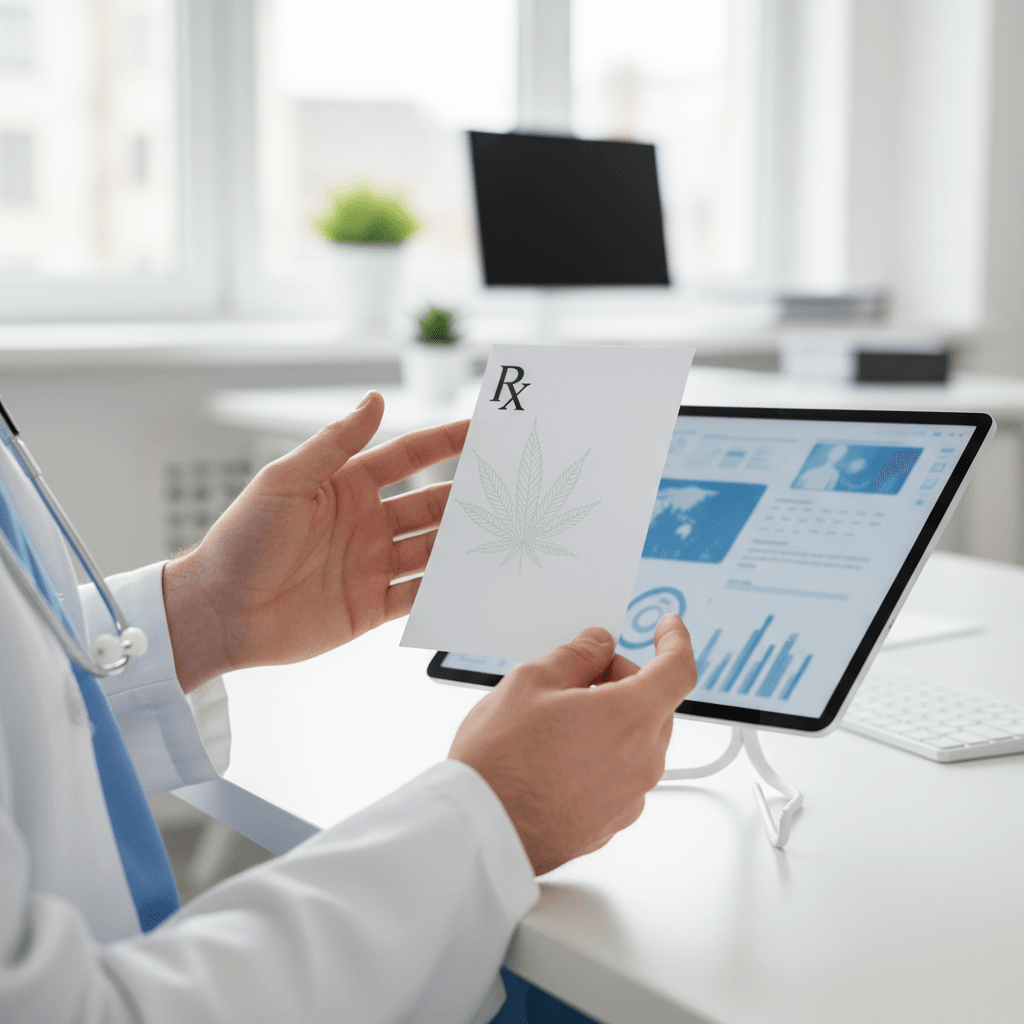
In Alabama, due to federal regulations, physicians cannot “prescribe” medical cannabis. Instead, they provide “recommendations” for patients who meet specific criteria. To become certified, doctors must obtain an annual permit from the state’s Board of Medical Examiners and complete a four-hour medical cannabis course provided by the Medical Association of the State of Alabama. This certification process was on hold until December, contributing to earlier delays in patient access.
For patients, the process involves several steps:
- Being an Alabama resident and at least 19 years old, or having a parent/legal guardian serve as a registered caregiver.
- Having a qualifying medical condition, which includes conditions such as depression, post-traumatic stress disorder, epilepsy, weight loss and nausea from cancer, chronic pain, and terminal illness.
- Connecting with a certified Alabama physician, who will verify medical records, conduct an exam, and if appropriate, issue a recommendation.
- Registering on the Alabama Medical Cannabis Commission’s patient registry system.
It is important to note that the entire process, from physician consultations to product acquisition, is currently out-of-pocket, and patients may need to travel to reach a certified physician and, eventually, a licensed dispensary.
Navigating Product Formulations and Regulations
The Alabama Medical Cannabis Commission has established clear guidelines regarding the types of medical cannabis products allowed and prohibited within the state. The focus is on formulations that can be precisely dosed and administered, avoiding forms associated with recreational use.
Permitted medical cannabis products include:
- Lozenges, tablets, and capsules
- Tinctures
- Topical oils and creams
- Suppositories
- Liquids or oils for an inhaler or nebuliser
- Transdermal patches
- “Gelatinous cubes” (gummies)
Conversely, Alabama explicitly prohibits raw plant material (flower), any products intended for smoking or vaping, and food products such as candies or cookies. This regulatory framework aims to ensure that medical cannabis is accessed and used in a controlled, therapeutic manner.
Dr. Staples highlighted the importance of matching the product formulation to the patient’s specific condition and desired relief. For instance, she suggested that for conditions like panic disorder, an inhalant or gelatinous cube might be preferred due to their faster onset of action, as reported by al.com. While three companies with dispensary licenses have been awarded, the first physical dispensary, Callie’s Apothecary in Montgomery, is anticipated to open in mid-May.
Disclaimer: This article is for informational purposes only and does not constitute medical advice. Hemp Gazette does not provide medical recommendations, diagnoses, or treatment plans. Always consult a qualified healthcare practitioner before making any decisions regarding your health or any medical condition. Statements concerning the therapeutic uses of hemp, cannabis, or cannabinoid-derived products have not been evaluated by Australia’s Therapeutic Goods Administration (TGA). Medicinal cannabis products in Australia are accessed via prescription pathways under TGA regulation.