US Congress Unlikely to Prevent Hemp THC Product Ban
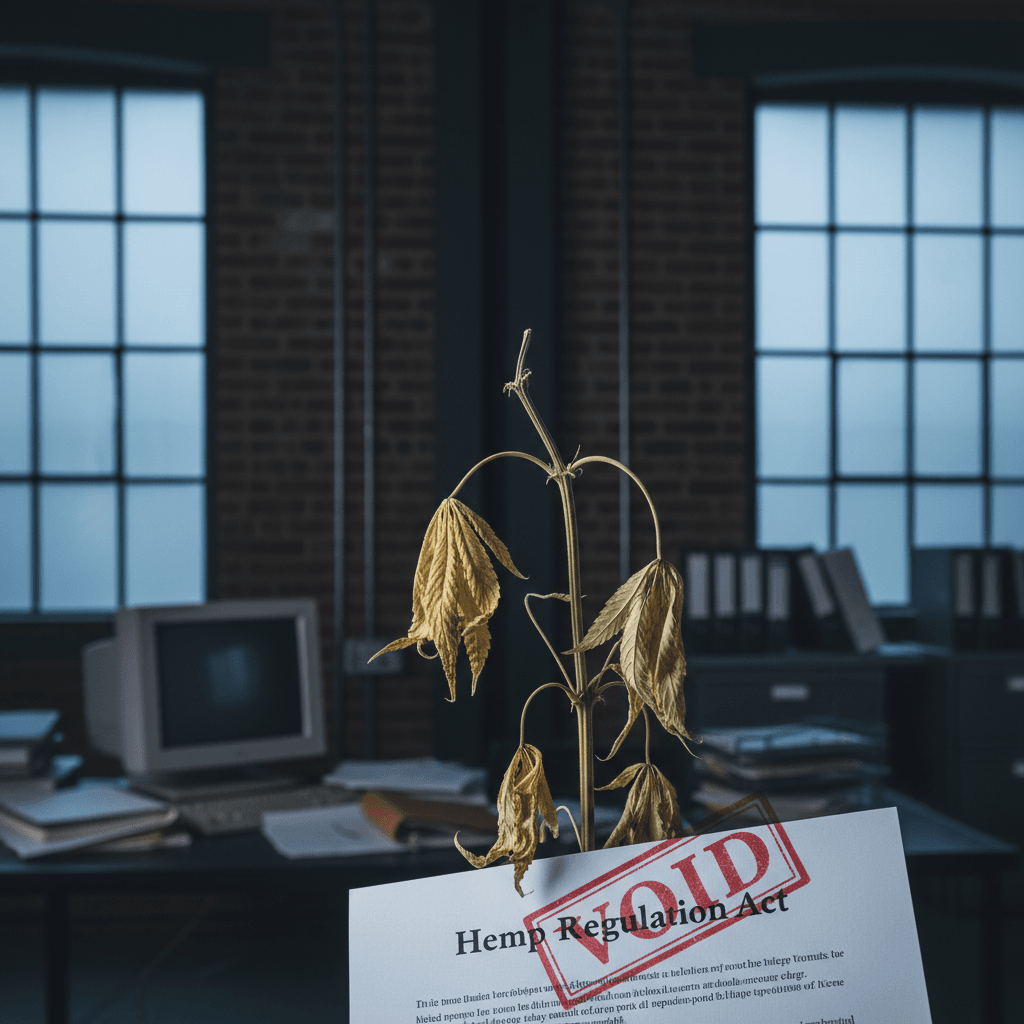
The United States Congress is not expected to prevent a new federal ban on certain hemp-derived THC products from taking effect in November, according to leaders of the Marijuana Policy Project (MPP). This impending regulatory change is anticipated to have substantial consequences for the hemp cannabinoid industry, which has operated under the framework established by Congress in 2018.
The 2018 legislation defined hemp as cannabis containing less than 0.3 percent THC by dry weight. However, new language passed last fall introduces more restrictive definitions that effectively classify many hemp-derived cannabinoid products. These new rules are set to be implemented in November unless Congress acts to delay or amend them.
New Regulatory Framework and Its Scope
The revised definition expands the measurement of the 0.3 percent THC threshold to include not only delta-9 THC but also delta-8 THC and THCA. Additionally, consumer products will be limited to 0.4 milligrams of total THC per container, and synthetic and converted cannabinoids will be restricted. Karen O’Keefe, MPP State Policies Director, noted that Senator Mitch McConnell (R-KY) initiated these changes, citing concerns about unregulated sales and packaging practices within the hemp industry.
“He used the reopening of the federal government after last fall’s shutdown to rein in hemp, but instead of replacing the regulatory void that had existed since 2018 with a sensible regulatory structure, Congress effectively banned most hemp products starting in November,” O’Keefe stated, as reported by Marijuana Moment.
MPP Executive Director Adam Smith indicated that significant legislative action on cannabis is unlikely from the current Congress. While Representative Andy Barr (R-KY) is expected to introduce a hemp regulation bill, its passage is not anticipated. Smith suggested that any potential adjustments might be limited to minor changes in THC limits or specific provisions for beverages, with the administration reportedly advocating for allowing slightly more THC to accommodate full-spectrum products.
Projected Impact on the Hemp Industry
The implementation of this hemp THC product ban is expected to create considerable financial challenges for businesses currently operating in the sector. Adam Smith described the situation as a “financial disaster for companies built around selling THC products from hemp,” predicting that many will be forced to cease operations unless congressional intervention occurs.
- Companies may need to shut down, pivot to alternative products, or operate under federal illegality, similar to state-legal marijuana businesses.
- This could lead to issues with banking access and potential immigration complications for non-U.S. citizen employees in the cannabis sector.
- Kevin Caldwell, MPP Southeast Legislative Manager, warned of a potential decrease in tax revenue and consumer access, alongside a rise in arrests as these products become classified as marijuana and subject to associated penalties.
O’Keefe highlighted that the 0.4 milligram total THC limit per container is particularly restrictive, affecting many products, including non-intoxicating items like topicals and full-spectrum CBD products, which often contain more than this threshold. The restriction on synthetic cannabinoids, while seen by some as a positive step due to unknown health impacts, is part of this broader regulatory shift.
Broader Policy Considerations and Market Dynamics
The MPP leaders emphasized the need for a comprehensive cannabinoid policy that ensures public safety while preserving access. Smith noted that many issues, such as the existence of delta-8 and synthetic cannabinoids, are consequences of existing prohibition policies. He also addressed concerns about youth access, citing data indicating a decline in teen cannabis use despite market expansion.
The alcohol industry is also observing developments, with differing interests among its various sectors. Alcohol distillers generally oppose allowing THC beverages, while distributors may favor them, reflecting a complex lobbying landscape. Caldwell concluded that while minor adjustments might occur, a broad repeal of the hemp THC product ban or a significant opening for intoxicating products is improbable, leaving hemp farmers and businesses in a state of uncertainty as planting seasons commence.
Disclaimer: This article is for informational purposes only and does not constitute medical advice. Hemp Gazette does not provide medical recommendations, diagnoses, or treatment plans. Always consult a qualified healthcare practitioner before making any decisions regarding your health or any medical condition. Statements concerning the therapeutic uses of hemp, cannabis, or cannabinoid-derived products have not been evaluated by Australia’s Therapeutic Goods Administration (TGA). Medicinal cannabis products in Australia are accessed via prescription pathways under TGA regulation.