
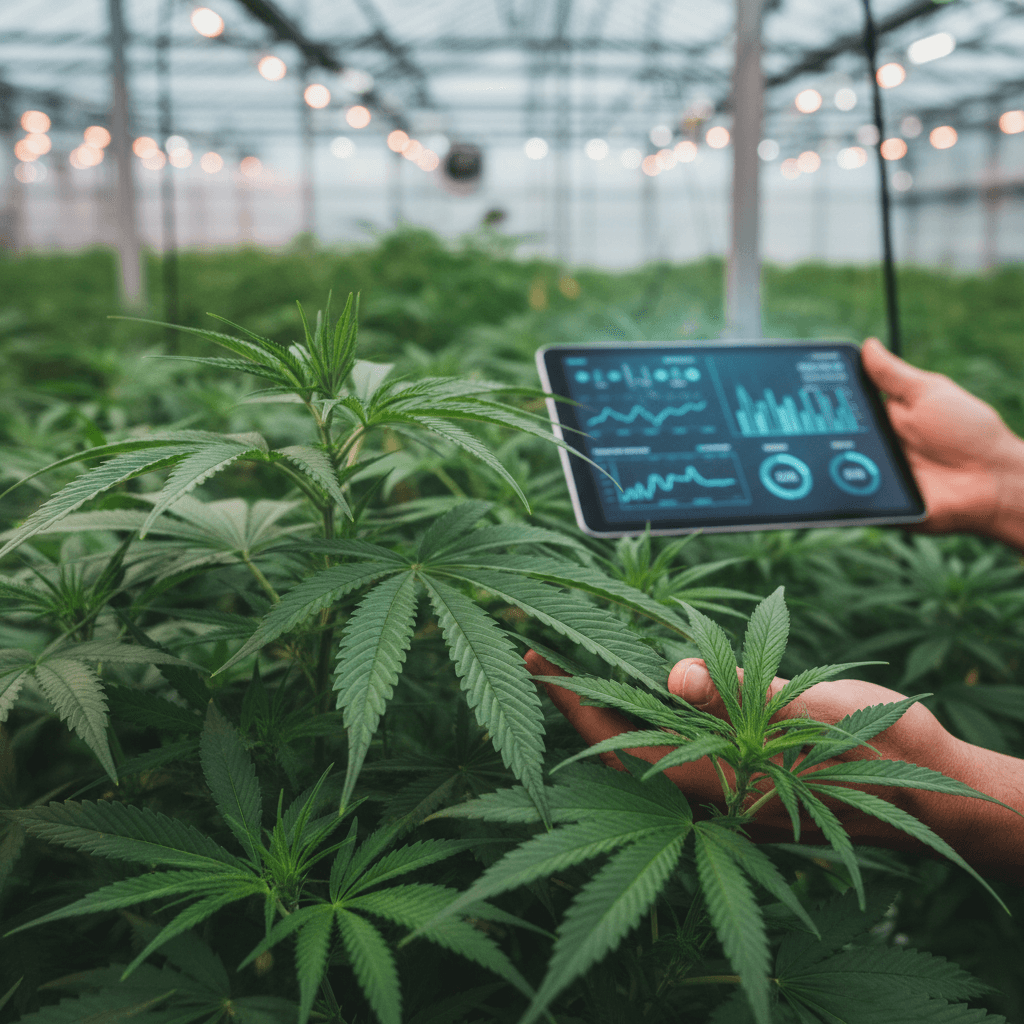
Embracing Data for Modern Medicinal Cannabis Cultivation
The world of horticulture is rapidly evolving, moving from traditional intuition to data-driven strategies. A prime example of this shift is the Plant Empowerment philosophy, a systematic approach to cultivation that optimises plant health and resource use. While initially gaining traction in ornamental and food crops, its principles are proving invaluable for high-value specialised crops, including medicinal cannabis. João Constantino, a Portuguese grower with over 25 years in horticulture, has successfully implemented these principles in medicinal cannabis cultivation, as reported by GN, demonstrating their potential in achieving positive results and contributing to a reduction in reliance on traditional chemicals.
Constantino’s journey into Plant Empowerment began about eight years ago. Facing increasing bans on traditional chemicals in his ornamental growing operation, he realised his old strategies were becoming less effective. His transformation started with studying the principles of Plant Empowerment, moving beyond mere “green hands” to understand the actual physics behind successful cultivation methods. He began with simple tools like a manual infrared sensor for leaf temperature, gradually integrating high-tech solutions such as vertical ventilation, diffusion screens, and CO2 enrichment.
The Impact on Plant Health and Yields
In 2023, Constantino applied these advanced horticultural principles to medicinal cannabis cultivation. Operating a high-density, high-efficiency rotating bench system in a Venlo greenhouse, he demonstrated that Plant Empowerment is not just for traditional crops like tomatoes; it can be applied to specialised plants, including medicinal plants. The results were positive, indicating how these methods can contribute to more resilient and productive medicinal cannabis crops.
- Disease Reduction: By focusing on a stable Radiation to Temperature Ratio (RTR) and protecting plants against heat stress, Constantino observed a reduction in common issues like powdery mildew and botrytis. This can contribute to healthier medicinal cannabis crops with less need for intervention.
- Consistent Quality: THC levels were observed to stabilise across all batches, indicating a highly controlled and consistent growing environment.
- Pest Management: Constantino’s approach was associated with a reduction in pest pressure from spider mites and aphids, requiring only minimal use of beneficial insects. This is a critical benefit for growers aiming to minimise chemical inputs.
For Constantino, Plant Empowerment and Plant Health are closely linked. He integrates microbiome management into his strategy, monitoring soil life every two months to anticipate potential stressors. On the nutrition side, he replaces a portion of total nitrogen with organic forms and amino acids to stimulate beneficial bacteria and fungi. He uses a simple garlic squeezer to test plant sap, noting that a Brix level of 12 may indicate a robust plant with high resistance, while anything below 8 could signal impending pest pressure. These methods are directly applicable to medicinal cannabis, fostering robust plants from the ground up.
Lessons for Modern Growers
One of the most inspiring aspects of Constantino’s approach is his belief that any grower can start implementing Plant Empowerment principles, regardless of their current technology level. Whether cultivating cannabis outdoors or in a high-tech greenhouse, the core principles of controlling radiation and managing soil life apply universally.
Constantino stresses that discipline is paramount. Data must be registered and observed daily to help ensure the plant stays on track. He also cautions against investing in expensive equipment before truly understanding the plant’s actual needs, whether that’s light diffusion or vertical airflow. The right investment, he argues, only makes sense once those needs are properly understood.
For growers looking to reduce chemical inputs, the message is clear: there are no shortcuts. In a contaminated facility, ceasing chemical use overnight is not an option. The transition requires a gradual, selective strategy where pest and disease pressure may decrease year by year, leading to a more sustainable and resilient operation.
The Future of Modern Farming
João Constantino’s story is a testament to the potential of open-mindedness and a scientific approach to cultivation. By stepping back from a prestigious general manager role to focus on implementing these principles as a head grower, he has demonstrated that the future of farming may lie in the conscious use of resources and the sharing of knowledge. “Plant Empowerment will be the base for the future strategy of modern farming,” he concludes. For enthusiasts and professionals alike, his success serves as a roadmap: by empowering the plant, you empower the business.
Disclaimer: This article is for informational purposes only and does not constitute medical advice. Hemp Gazette does not provide medical recommendations, diagnoses, or treatment plans. Always consult a qualified healthcare practitioner before making any decisions regarding your health or any medical condition. Statements concerning the therapeutic uses of hemp, cannabis, or cannabinoid-derived products have not been evaluated by Australia’s Therapeutic Goods Administration (TGA). Medicinal cannabis products in Australia are accessed via prescription pathways under TGA regulation.