
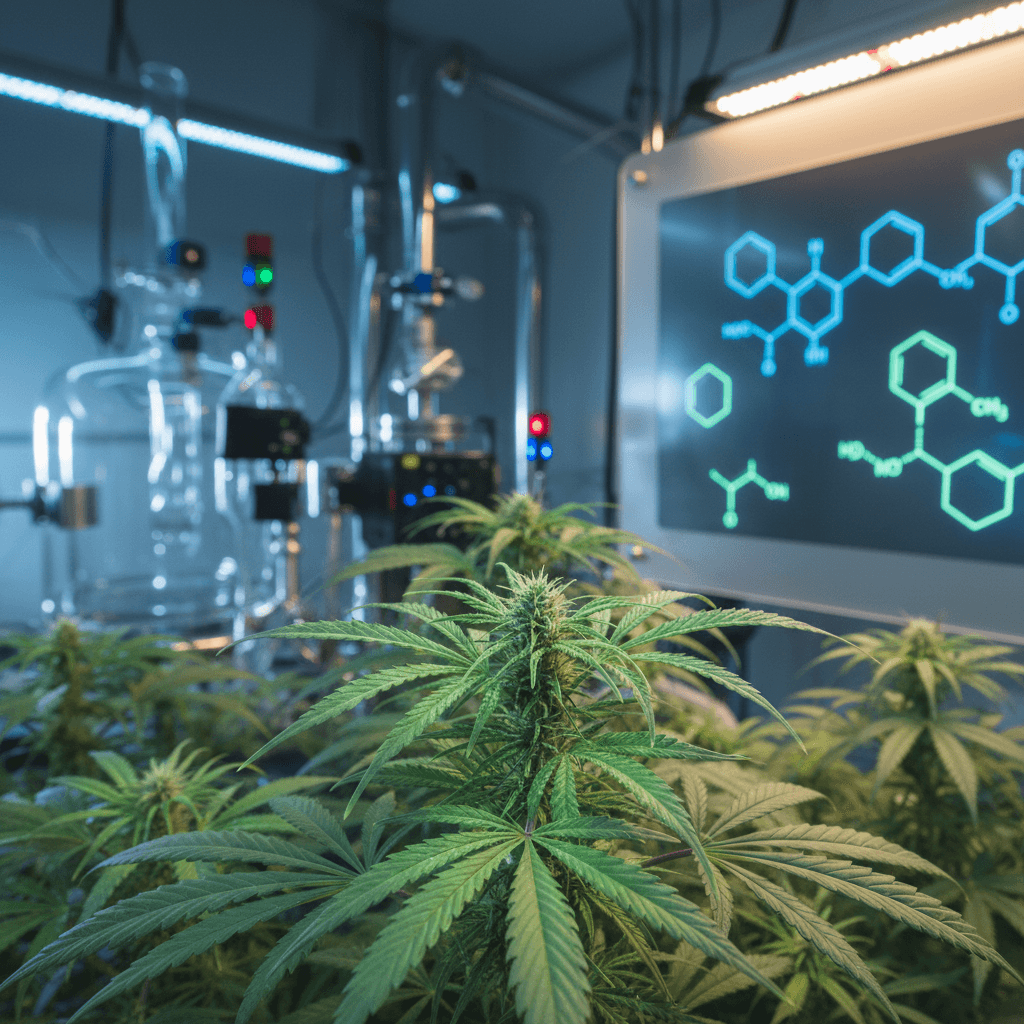
Researchers have proposed an innovative approach to industrial hemp cultivation, suggesting it could serve as a dual-use platform for simultaneously producing clean green hydrogen fuel and high-value therapeutic cannabinoids. This novel biorefinery model, detailed in a hypothesis published in Frontiers in Plant Science, outlines a method to leverage genetically engineered industrial hemp plants for both energy and pharmaceutical applications.
The concept, developed by Dr. Babak Baban and Dr. Lei P. Wang of Augusta University through their biotechnology startup Medicinal Cannabis of Georgia LLC, aims to position industrial hemp as a key crop in the global push for net-zero emissions and advanced medicine. The full press release was distributed by 24-7PressRelease.
The Proposed Hemp Biohydrogen Biorefinery Model
The core of this proposal involves engineering the chloroplasts within industrial hemp plants. Chloroplasts, the plant’s energy-producing organelles, would be modified to redirect photosynthetic electron flow towards hydrogen production. By inserting an oxygen-protected hydrogenase enzyme into the chloroplast genome, the plant could generate molecular hydrogen (H₂) during its vegetative growth phase. Following this, during the flowering phase, the same plants would produce therapeutic cannabinoids and terpenes.
A Tripartite Circular Economy
This dual-production method forms the basis of a proposed zero-waste, three-phase harvest model:
- Phase 1: Capture clean green hydrogen during the peak vegetative growth period.
- Phase 2: Harvest therapeutic cannabinoids and terpenes once the plants begin flowering.
- Phase 3: Process the remaining biomass into industrial fiber, textiles, and carbon-sequestering biochar.
This comprehensive approach ensures that all components of the industrial hemp crop are utilised, maximising value and minimising waste.
Economic and Environmental Potential
The researchers highlight several compelling reasons why industrial hemp is a superior platform for this dual-use model compared to other biohydrogen systems, such as those based on algae:
- Biomass Yield: Industrial hemp offers 2-3 times higher biomass yield than green algae or cyanobacteria.
- Economic Returns: The model projects a Net Present Value of $500,000 to $2 million per hectare over 20 years, which is 3-5 times higher than competing systems.
- Break-even Point: A break-even period of just 3-5 years is anticipated, significantly shorter than the 7-12 years often seen with algae-based systems.
- Existing Infrastructure: The global industrial hemp market, currently valued at $7.5 billion and projected to reach $27.7 billion by 2033, provides a robust economic foundation and leverages over $10 billion in existing controlled-environment agriculture (CEA) infrastructure.
- No Food Competition: Unlike corn-based ethanol, industrial hemp does not displace food crops.
Dr. Lei P. Wang notes that the pharmaceutical value of cannabinoids could effectively subsidise the cost of green hydrogen production, making the economics of hemp biohydrogen commercially viable in ways that other methods have struggled to achieve. This integration of high-value pharmaceutical output with clean energy production represents a significant economic advantage.
Challenges and Future Outlook
Translating this hypothesis into practical application will require addressing several technical and regulatory challenges. Key among these are establishing stable chloroplast transformation protocols for industrial hemp and navigating the complex regulatory landscape surrounding genetically modified crops across different jurisdictions. The researchers propose a phased development roadmap, commencing with proof-of-concept studies in model plant systems before advancing to hemp-specific engineering.
Drs. Baban and Wang are actively engaging with pharmaceutical and energy industry partners to explore collaborative development, aiming to move this vision from a scientific hypothesis to a commercial and environmental reality. This research builds on earlier coverage of industrial hemp’s potential for biofuels and its diverse applications, further solidifying its role in a sustainable future.
Disclaimer: This article is for informational purposes only and does not constitute medical advice. Hemp Gazette does not provide medical recommendations, diagnoses, or treatment plans. Always consult a qualified healthcare practitioner before making any decisions regarding your health or any medical condition. Statements concerning the therapeutic uses of hemp, cannabis, or cannabinoid-derived products have not been evaluated by Australia’s Therapeutic Goods Administration (TGA). Medicinal cannabis products in Australia are accessed via prescription pathways under TGA regulation.