
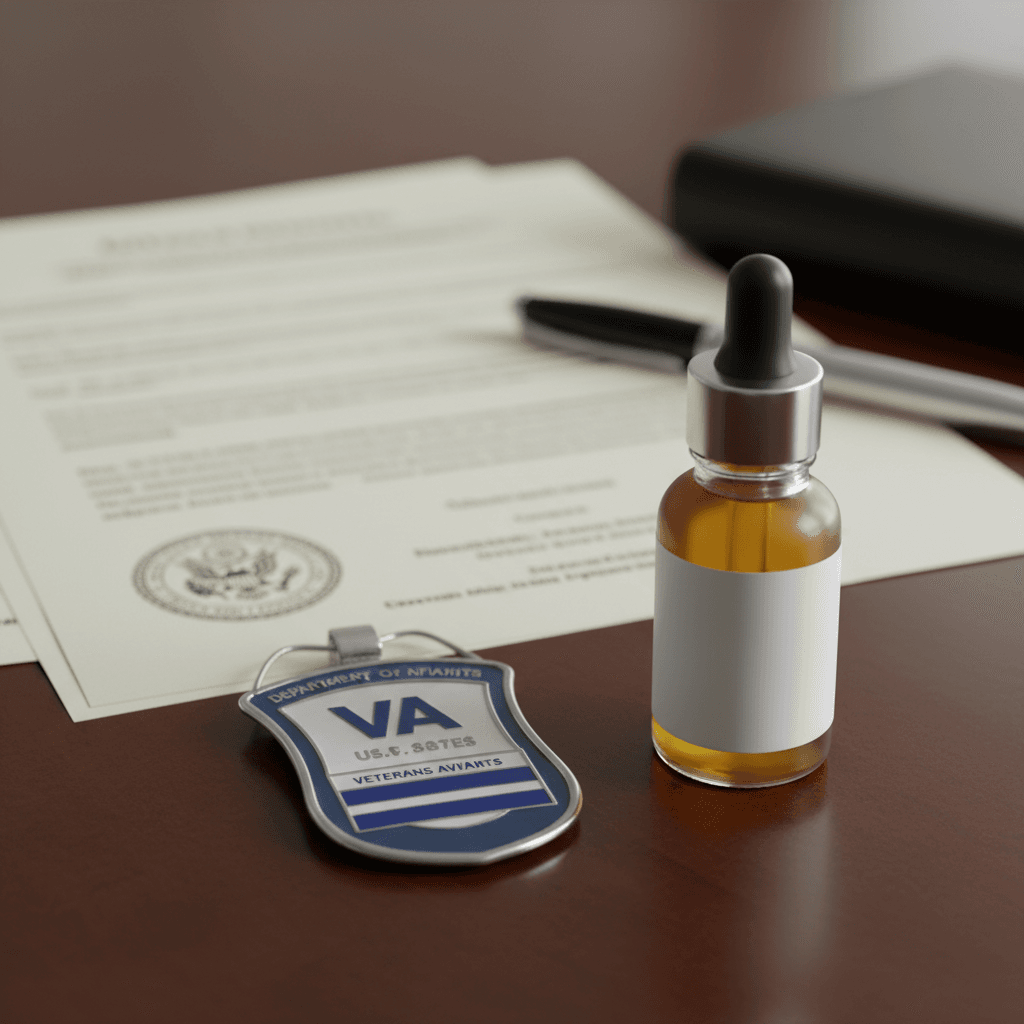
Newly obtained documents from the U.S. Department of Veterans Affairs (VA) indicate that the federal rescheduling of medical cannabis could increase military veterans’ ability to access it with the assistance of VA doctors. These records, secured through a Freedom of Information Act (FOIA) request by the Veterans Action Council (VAC), offer insight into how the VA’s Veterans Health Administration (VHA) has implemented its current cannabis policy, VHA Directive 1315, and what changes might occur as federal rescheduling progresses, potentially expanding veterans’ medical cannabis access.
As previously reported by Hemp Gazette regarding federal rescheduling efforts, the potential reclassification of cannabis from Schedule I to Schedule III of the Controlled Substances Act is a significant policy consideration. While reclassification may not alter all aspects of care for veterans using cannabis through VA providers, the internal documents suggest specific areas of impact.
Current VA Policy: VHA Directive 1315
The FOIA release, which includes over 1,500 pages of internal records, demonstrates a consistent effort by the VHA to educate providers and align care with federal policy while respecting veterans’ rights. VHA Directive 1315 is repeatedly referenced across internal communications, cover letters, and training materials, signaling institutional reinforcement of the policy.
Key principles of VHA Directive 1315, as reinforced in the documents, include:
- Providers are required to discuss cannabis use with patients, including evidence for and against its use.
- Veterans participating in state-approved medical cannabis programs must not be denied care solely on that basis.
- Documentation of cannabis use is expected from clinicians.
This policy reflects years of advocacy by veterans, including Michael Krawitz, who worked to shift the VA’s approach from prohibition to clinical engagement. Earlier decades, specifically in the 1990s, saw veterans like Etienne Fontan removed from four VA hospitals for merely mentioning medical cannabis use, a stark contrast to the current expectation for providers to engage in open discussions.
Implications of Federal Medical Cannabis Rescheduling
Under current policy, VA clinicians are prohibited from recommending cannabis or certifying veterans for state programs. However, the FOIA documents suggest this could change if cannabis is transferred from Schedule I to Schedule III. One document states that the reform “might affect a VA provider’s ability to refer VA patients to State medical cannabis treatment programs,” according to a report by Marijuana Moment.
Despite potential changes to provider authority, the standard of care is expected to remain largely consistent. Treatment plans, particularly for mental health, would continue to be protected unless strong evidence supports a change. Guidance from the Office of Mental Health and Suicide Prevention indicates that even under rescheduling, the core approach of VHA Directive 1315 will persist, with providers still expected to discuss and document cannabis use. Any changes to provider authority, such as referrals to state programs, would necessitate separate legal and policy reviews.
Challenges and Policy Evolution
While the VHA has made efforts to disseminate Directive 1315, challenges remain. Many veterans are reportedly unaware of the directive’s existence, fearing punitive responses for disclosing cannabis use, despite such actions being against policy. Furthermore, clinicians face a volume of anti-drug and drug misuse memos that can obscure the intent of the cannabis directive. The FOIA documents did not show evidence of continuing medical education courses on cannabis being widely propagated within the system, leading to varied experiences for veterans across different facilities.
VHA Directive 1315 operates within a complex legal framework, balancing federal prohibition with state-level medical legalization. The FOIA responses confirm that this structure is being taken seriously, with facilities guided by existing policies for conduct on VA property while the directive provides a framework for clinical interaction. The consistency of this framework is intended to balance legal requirements with clinical responsibility, providing a stable foundation for veterans’ medical cannabis access as policy evolves.
Disclaimer: This article is for informational purposes only and does not constitute medical advice. Hemp Gazette does not provide medical recommendations, diagnoses, or treatment plans. Always consult a qualified healthcare practitioner before making any decisions regarding your health or any medical condition. Statements concerning the therapeutic uses of hemp, cannabis, or cannabinoid-derived products have not been evaluated by Australia’s Therapeutic Goods Administration (TGA). Medicinal cannabis products in Australia are accessed via prescription pathways under TGA regulation.