
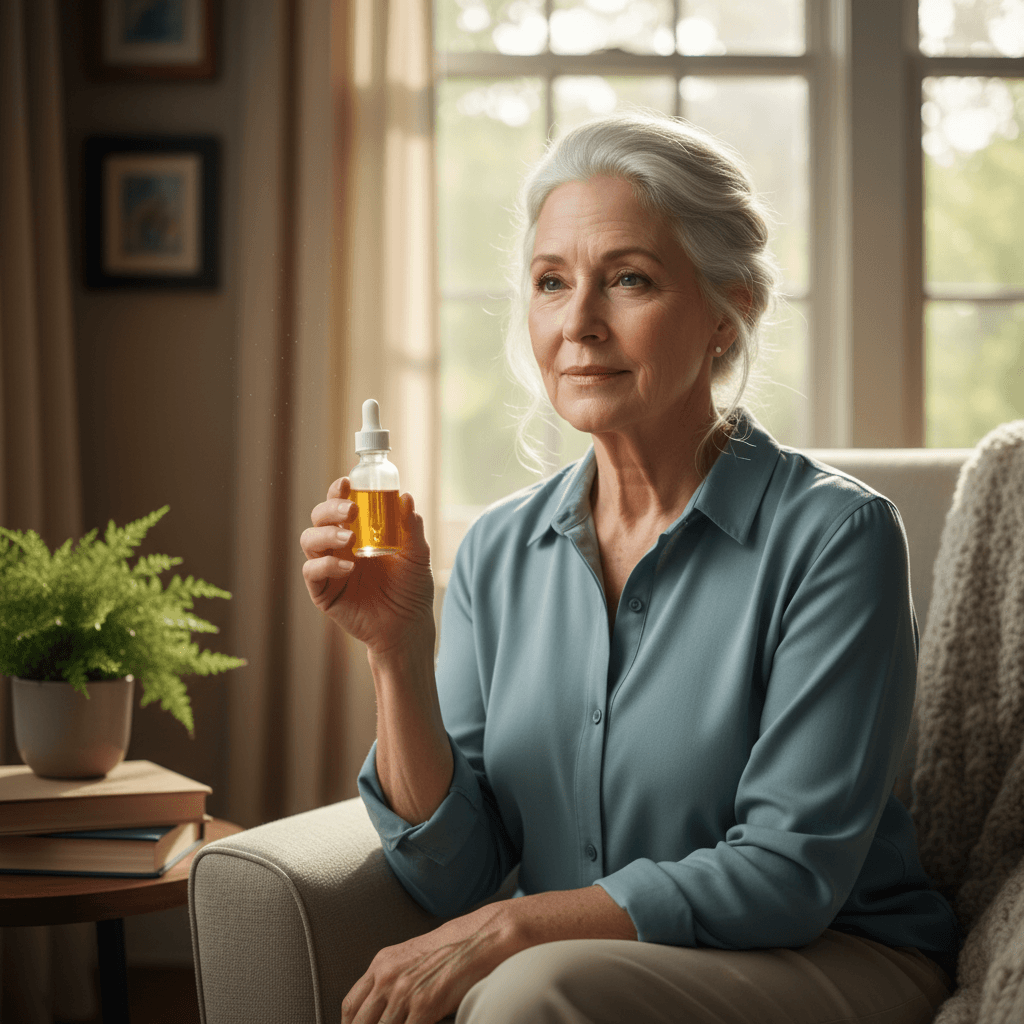
A recent study exploring product preferences among first-time medicinal cannabis buyers aged 60 and older indicates a notable inclination towards products containing cannabidiol (CBD), either alone or in combination with tetrahydrocannabinol (THC). This research, recently published in JAMA Network Open, provides insights into how older adults approach medicinal cannabis use, as reported by Ganjapreneur.
The findings suggest that this demographic often prioritises symptom relief and improved quality of life, while also expressing common concerns about the psychoactive effects associated with THC-containing products. This aligns with previous coverage by Hemp Gazette, which has explored the increasing interest in medicinal cannabis among older adults.
Understanding Product Preferences Among Older Adults
The study, conducted by researchers from the University of Utah Intermountain Health Department of Population Health Sciences and the University of Colorado Boulder Department of Psychology and Neuroscience, involved 169 participants who were first-time cannabis buyers in Colorado. The product choices observed were:
- 57.5% selected combination THC and CBD products.
- 28.7% chose CBD-only products.
- 13.8% opted for THC-only products.
These figures highlight a clear preference for products that include CBD, whether as the sole cannabinoid or alongside THC, among this group of new users.
Motivations Behind Product Choices
Primary motivations for exploring medicinal cannabis were reported as avoiding pharmaceuticals and seeking relief from symptoms after other treatment options had been exhausted. Concerns about potential psychoactive outcomes were frequently noted, particularly in relation to products containing THC.
Dr. Rebecca Delaney, assistant professor of population health sciences at the University of Utah Health and first author of the study, noted in a statement that participants “really wanted better quality of life, reducing their pain, getting better sleep, and being able to enjoy time with family and friends a little bit more.” She also highlighted the significant role of “word of mouth” in informing their opinions, according to the Ganjapreneur report.
Dr. Angela Bryan, professor of psychology and neuroscience at the University of Colorado Boulder and senior author on the study, added that “for the most part” the researchers found these individuals “aren’t really interested in getting high. They just want to feel better.” This perspective underscores a therapeutic intent rather than a recreational one, which is crucial for understanding the evolving landscape of medicinal cannabis use.
Implications for Patient Care and Information
The study’s results offer valuable insights into the baseline understanding and needs of older adults using cannabis to address health concerns. Dr. Delaney suggested that these findings provide a foundation for developing more effective informational tools and clinical support mechanisms.
The ultimate goal, she stated, is to create resources that help individuals make informed decisions and find products that align with their specific needs. She emphasised the importance of fostering more open conversations between physicians and patients, ensuring that people feel supported and well-informed when considering alternative approaches to manage conditions such as pain, sleep disturbances, and mental health concerns.
As medicinal cannabis pathways continue to evolve, understanding patient preferences and motivations, particularly among vulnerable populations like older adults, remains essential for clinicians and policymakers. This research contributes to a growing body of evidence that can help shape more patient-centred care models.
Disclaimer: This article is for informational purposes only and does not constitute medical advice. Hemp Gazette does not provide medical recommendations, diagnoses, or treatment plans. Always consult a qualified healthcare practitioner before making any decisions regarding your health or any medical condition. Statements concerning the therapeutic uses of hemp, cannabis, or cannabinoid-derived products have not been evaluated by Australia’s Therapeutic Goods Administration (TGA). Medicinal cannabis products in Australia are accessed via prescription pathways under TGA regulation.