Nevada Cannabis Revenue Impacted by Industry Separation
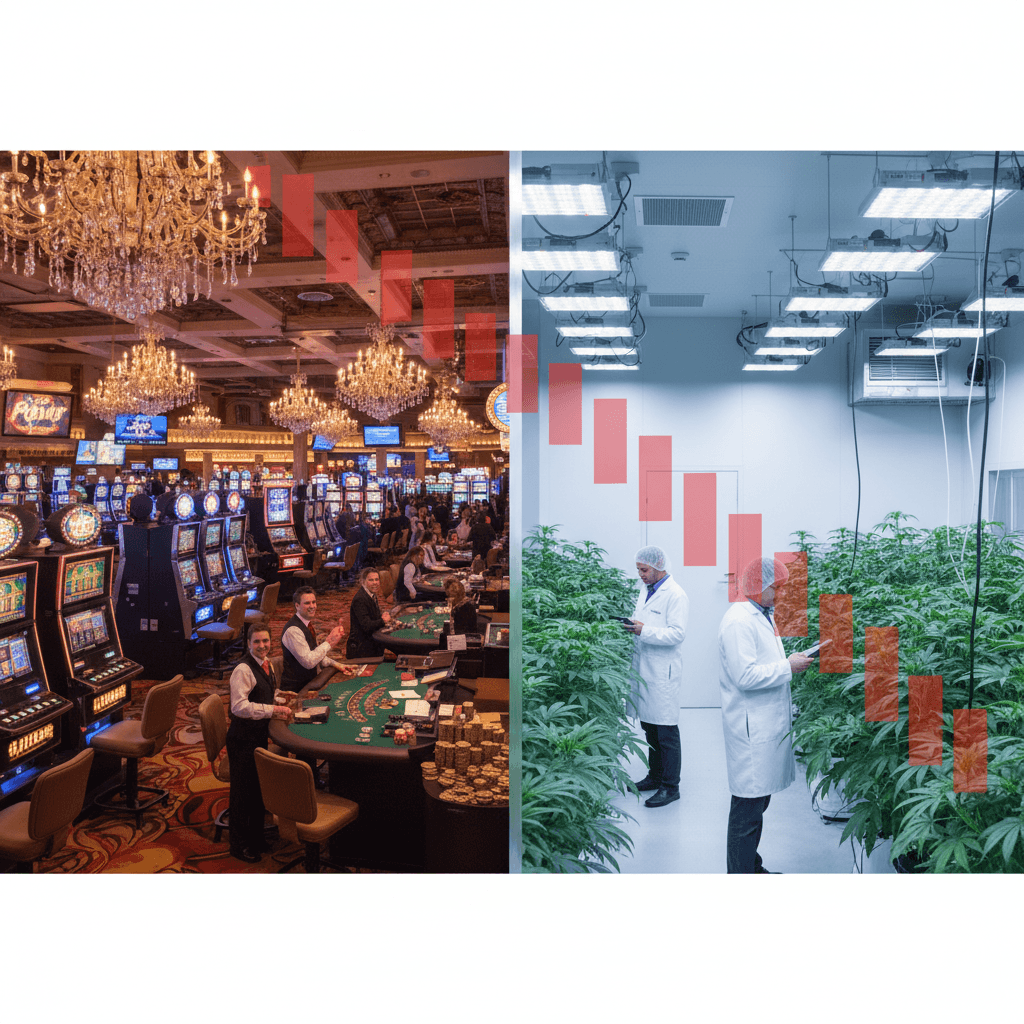
Nevada is foregoing an estimated US$80 million in annual cannabis tax revenue due to regulations that enforce a strict separation between the state’s licensed cannabis and gaming industries, according to a recent report. This policy has also been identified as a factor driving consumers towards unlicensed products in the illicit market, as detailed by Marijuana Moment.
The findings emerged from the 3rd Annual Gaming & Cannabis Policy Discussion, hosted by the University of Nevada Las Vegas (UNLV) Cannabis Policy Institute and International Gaming Institute. Lawmakers and officials at the event discussed the implications of regulations that prevent the full integration of the licensed cannabis sector with the state’s established gaming industry.
Economic Constraints and Regulatory Barriers
The UNLV cannabis institute’s report, titled “The 1,500 Foot Wall,” highlights specific rules that create significant barriers:
- Prohibitions on marijuana deliveries to most hotels and gaming properties.
- Restrictions preventing cannabis retailers from operating within 1,500 feet of gaming establishments in major counties.
- Broad limitations on gaming licensees from dually participating in or profiting from the licensed cannabis sector.
The report estimates that these regulations lead to US$750 million in lost annual revenue for cannabis businesses. This figure includes an estimated US$540 million from retail sales and US$210 million from wholesale transactions. The unrealized tax revenue from these missed sales opportunities contributes to the approximately US$80 million in lost Nevada cannabis revenue annually.
The authors of the report stated, “The separations act as severe constraints on capital mobility, tourism synergy, and public-revenue growth, without any corresponding economic, public health or safety, or risk benefits to market participants in either market.”
Policy Rationale and Current Challenges
While adult-use cannabis is legal in Nevada for individuals 21 years or older, including tourists, the current regulatory framework effectively pushes licensed cannabis businesses away from central commercial gaming hubs like the Las Vegas Strip. The report indicates that this creates an opportunity for illicit businesses to operate without regulatory oversight, leading to the sale of “unlicensed, unsafe cannabis from the illegal market” in these areas.
Furthermore, the report suggests that many legal cannabis businesses are struggling due to limited access to the tourist market. Nevada Senator Rochelle Nguyen (D) echoed these concerns at the policy discussion, noting that the “idea that we’ve limited one aspect of our tourism economy is ridiculous” and that the initial separation, while a “rational precaution in 2014,” is now an “economic and policy anachronism.”
Evolving Cannabis Policy Landscape
Nevada has seen some recent policy adjustments in its cannabis sector. The state’s first legal marijuana consumption lounge opened in February 2024, following years of rulemaking. This development, enacted under legislation from Assemblyman Steve Yeager (D) and signed by then-Governor Steve Sisolak (D) in 2021, allows for businesses that integrate cannabis with other activities such as yoga or infused food. Additionally, at the beginning of 2024, the state’s marijuana laws were updated to more than double the amount of cannabis an individual can legally purchase and possess, to 2.5 ounces.
Despite these changes, the core issue of integrating the cannabis and gaming industries, and its impact on Nevada cannabis revenue, remains a subject of ongoing discussion and analysis within the state’s policy and business circles.
Disclaimer: This article is for informational purposes only and does not constitute medical advice. Hemp Gazette does not provide medical recommendations, diagnoses, or treatment plans. Always consult a qualified healthcare practitioner before making any decisions regarding your health or any medical condition. Statements concerning the therapeutic uses of hemp, cannabis, or cannabinoid-derived products have not been evaluated by Australia’s Therapeutic Goods Administration (TGA). Medicinal cannabis products in Australia are accessed via prescription pathways under TGA regulation.