
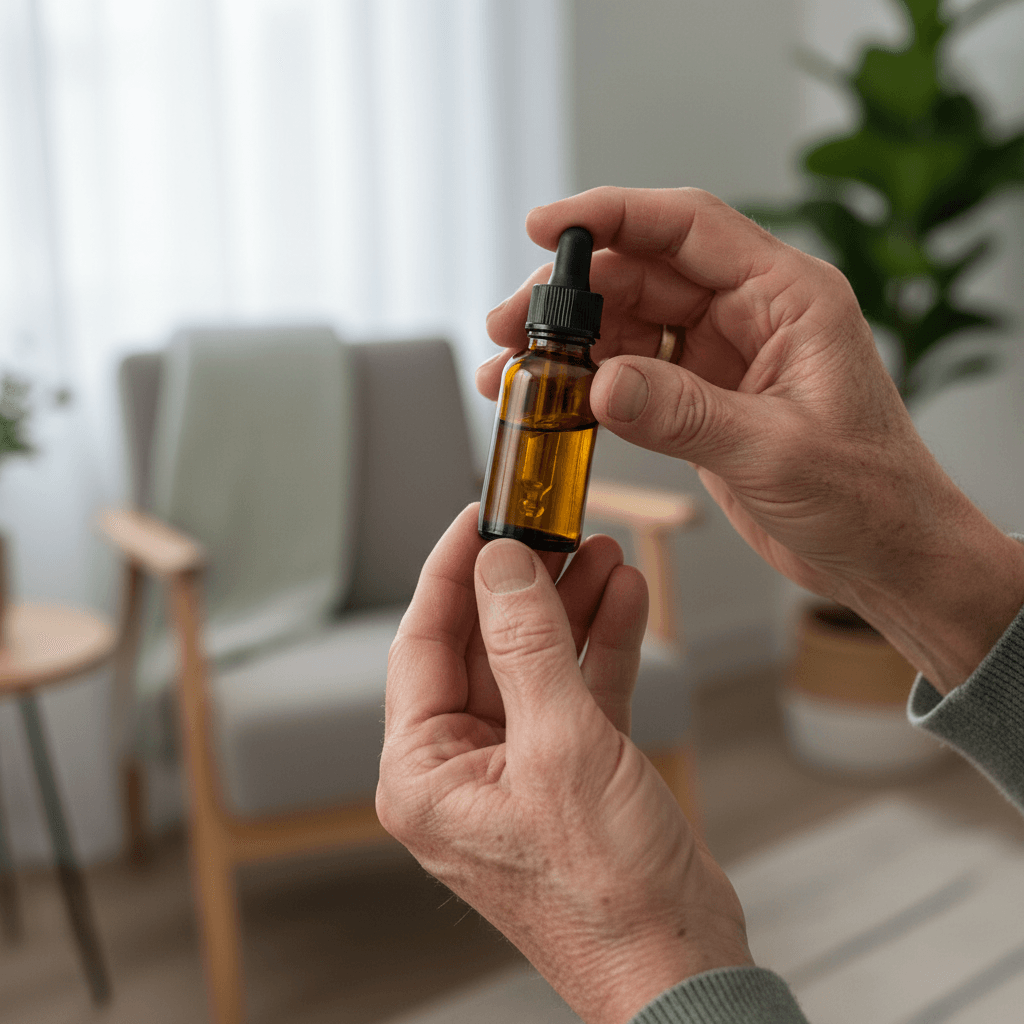
A new initiative by the United States Medicare program is exploring the provision of cannabidiol (CBD) to thousands of eligible patients, marking a notable step towards integrating cannabinoids into mainstream health care. This program aims to gather real-life evidence on whether CBD for older adults can improve their quality of life and potentially reduce overall health care costs, according to a report by NYT Health.
The move comes as interest in cannabinoid products among older adults continues to grow. A 2024 study published in Clinical Gerontologist indicated that 14.3 percent of patients aged 65 and older had used CBD products in the preceding year, often for managing anxiety, insomnia, and chemotherapy-related nausea.
Exploring Cannabidiol (CBD) for Older Adults
Cannabidiol, or CBD, is one of the prominent compounds found in the cannabis sativa plant. It is non-intoxicating and is often associated with soothing effects on the central nervous system. Many CBD products are derived from hemp, a legal strain of cannabis that contains high levels of CBD and only trace amounts of the intoxicating compound, THC.
Research Insights
Current research on CBD for older patients presents mixed to positive findings, with many studies highlighting the need for more rigorous, gold-standard trials. While some doses evaluated in research have contained higher THC levels than those permitted by the new Medicare guidelines (which restrict hemp-derived CBD to 3 milligrams of THC per serving), early evidence points to potential benefits.
One significant aspect underscored by some studies is the reported use of CBD by seniors as an alternative to opioids for pain management and benzodiazepines for anxiety and insomnia. These conventional medications can carry troubling side effects, and exploring alternatives is a key area of interest for patient care.
Sasha Kalcheff-Korn, executive director of Realm of Caring, a nonprofit focused on cannabinoid research, noted that despite millions of older adults already using cannabinoid products, the health care system lacks sufficient infrastructure to understand their usage patterns, expenditures, or the impact on other health care costs, as reported by NYT Health.
The Medicare CBD Access Program
The Medicare initiative is designed as an experiment to learn whether CBD can help older individuals feel better, potentially reducing or preventing the need for prescriptions for pain, nausea, sleep, and anxiety. The hope is that this could lead to avoiding more expensive medical interventions associated with some conventional drugs.
Program Design and Eligibility
Initially, only a subset of Medicare recipients participating in Accountable Care Organizations (ACOs) will be eligible for this benefit. Currently, five large groups have been approved to offer CBD, with plans to expand to all 74 ACO groups by January 2027. Participating providers, located in states such as New York, Florida, Oklahoma, Texas, Wisconsin, West Virginia, and Arizona, must purchase CBD products upfront, with a spending limit of up to $500 per patient annually.
Doctors involved in the program are required to carefully screen patients and products, and to collect real-time data on how CBD affects patients. While they are not directly reimbursed for the CBD, the incentive-based structure of ACOs means groups that improve patient quality of life and reduce overall costs may receive a percentage of those savings.
Navigating Considerations and Future Challenges
While the program aims to gather valuable data, medical professionals have expressed considerations. Many doctors are cautious about encouraging the use of unapproved supplements, particularly for geriatric patients who often manage multiple medical conditions and take various medications. The potential for drug interactions with CBD products is a key concern.
Clinical Perspectives and Patient Safety
Dr. Melanie Bone, director of medical cannabinoid therapies at MorseLife, a senior residence, suggested that CBD may assist with several age-related ailments and is generally well-tolerated. However, she emphasised that CBD is not a universal solution and that collaboration with providers knowledgeable in cannabinoid medicine is crucial for appropriate dosing and monitoring. This collaboration is a stated goal of the government initiative.
Legislative Landscape
A significant challenge for the program stems from recent legislative developments. Late last year, Congress passed a measure that could remove many CBD products from the U.S. market. This action was in response to concerns that many CBD products contain higher levels of THC and other intoxicating compounds than intended by the 2018 legal definition of hemp. These restrictions are set to take effect in November, potentially impacting companies contracted to supply CBD for the Medicare program, whose products may exceed the new THC limits. Efforts are underway in Congress to amend or delay these impending restrictions.
Disclaimer: This article is for informational purposes only and does not constitute medical advice. Hemp Gazette does not provide medical recommendations, diagnoses, or treatment plans. Always consult a qualified healthcare practitioner before making any decisions regarding your health or any medical condition. Statements concerning the therapeutic uses of hemp, cannabis, or cannabinoid-derived products have not been evaluated by Australia’s Therapeutic Goods Administration (TGA). Medicinal cannabis products in Australia are accessed via prescription pathways under TGA regulation.