Delaware Grapples with Intoxicating Hemp Product Regulation
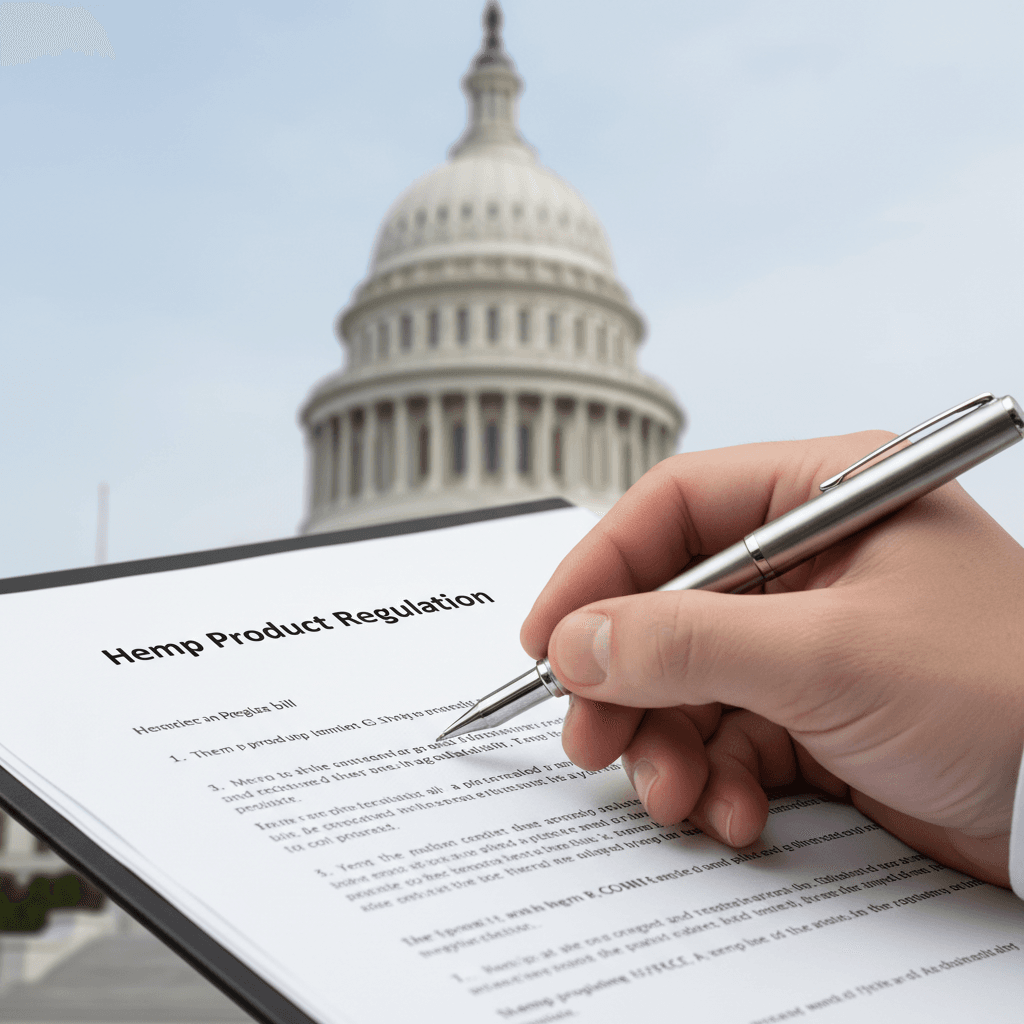
Delaware lawmakers are currently navigating the complex landscape of regulating intoxicating hemp products, with two distinct legislative proposals under consideration. This comes as the federal government prepares to implement stricter definitions for hemp-derived cannabinoids, impacting interstate commerce and state-level markets. The debate centers on whether Delaware should align with forthcoming federal policy by restricting sales to the state’s legal marijuana market or establish a separate regulatory framework for these products.
The discussion reflects broader industry concerns about oversight and market competition, particularly given the rapid growth of the hemp-derived THC sector. The Brightfield Group, a cannabis data and analytics firm, reported that hemp-derived THC sales expanded from US$200 million in 2020 to US$2.8 billion in 2023.
Federal Regulatory Evolution and State Implications
The federal approach to hemp regulation has evolved significantly since the 2018 Farm Bill decriminalized commercial hemp cultivation. Initially, the law defined hemp based solely on its delta-9 tetrahydrocannabinol (THC) concentration, requiring less than 0.3% on a dry weight basis. This definition, however, created a perceived loophole, allowing manufacturers to produce hemp products using other THC compounds, such as delta-8 THC and THCA, often converted from cannabidiol (CBD).
Katharine Harris, a fellow in drug policy at Rice University’s Baker Institute, noted that the new federal definition, established last year, is intended to exclude most impairing hemp products from legal markets. A federal law passed last year, set to take effect in November, aims to close this loophole by redefining hemp based on “total THC” content, including all THC compounds, not just delta-9 THC. Under the new federal standard, hemp-derived cannabinoid products could not exceed 0.3% total THC and containers would be limited to 0.4 milligrams of total THC. This change would effectively impact interstate commerce of many currently available hemp items, as previously reported by Hemp Gazette in its coverage of Delaware’s legislative debates.
Delaware’s Legislative Proposals
Delaware lawmakers are considering two primary legislative paths to address intoxicating hemp products:
House Bill 401: A Separate Regulatory Framework
- Sponsored by State Rep. Sean Lynn and State Sen. Kyra Hoffner, House Bill 401 proposes creating a new hemp-derived cannabis cannabinoid product retail license under the Office of the Marijuana Commissioner.
- This bill aims to establish a legal framework for product testing, consumer safety, and age restrictions on purchases.
- James Brobyn, owner of Field Supply Cannabis and director of the Delaware Cannabis Industry Association, argued that Lynn’s legislation would benefit a limited number of marijuana operators, stating the bill would create a “state-sanctioned arbitrage” for certain operators.
Aligning with Federal Restrictions: House Bill (Unnumbered in Source)
- An alternative proposal, sponsored by State Rep. Nnamdi Chukwuocha, seeks to align Delaware’s definition of hemp consumables with the pending federal ban language.
- This approach would restrict the sale of intoxicating THC consumable products to the state’s licensed, regulated marijuana market.
- Chukwuocha expressed concerns about unregulated products, citing instances of “THC vapes that are laced with fentanyl” being sold in shops. The Delaware Division of Tobacco and Alcohol Enforcement has reportedly issued 70 cease-and-desist letters to businesses selling products without proper oversight. Amit Vyas, a Dover attorney, criticized Chukwuocha’s bill, arguing it would eliminate lawful competition and hand market control to a small number of preferred operators, calling it “legislated monopoly dressed up in public health language.”
Industry Perspectives and Economic Impact
Joseph Daniels, owner of Hidden Stash in Laurel, a smoke shop selling intoxicating hemp products, stated that his customers use these products for purposes such as addressing anxiety or pain. He warned that restricting sales could push consumers to the illicit market. Cameron Gilbert, chairman of the Delaware Health Alternatives Association, acknowledged the presence of “bad actors” but emphasized that the majority of stores are responsible small businesses that welcome regulation, citing self-regulation efforts including third-party lab testing and age restrictions.
Joshua Sanderlin, Office of Marijuana Commissioner, countered arguments about market control, stating that the legislature’s intent was to create a regulated marketplace for marijuana, which should not be undermined by an unregulated hemp market. The outcome of these legislative efforts will determine the future accessibility and regulation of intoxicating hemp products within Delaware, impacting both established cannabis operators and the burgeoning hemp-derived cannabinoid industry.
Disclaimer: This article is for informational purposes only and does not constitute medical advice. Hemp Gazette does not provide medical recommendations, diagnoses, or treatment plans. Always consult a qualified healthcare practitioner before making any decisions regarding your health or any medical condition. Statements concerning the therapeutic uses of hemp, cannabis, or cannabinoid-derived products have not been evaluated by Australia’s Therapeutic Goods Administration (TGA). Medicinal cannabis products in Australia are accessed via prescription pathways under TGA regulation.