
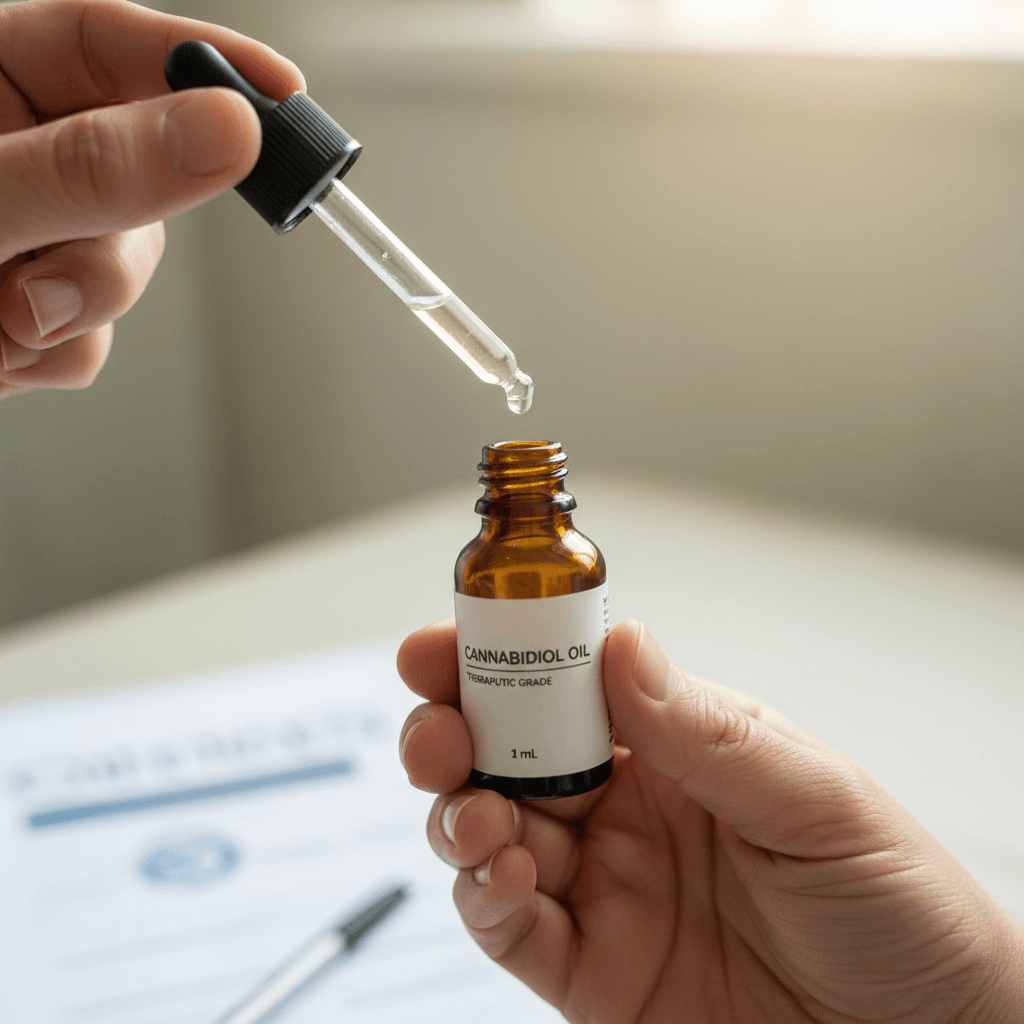
A recent study from researchers at the University of California San Francisco (UCSF) and UC San Diego suggests that Americans are engaging in cannabis microdosing for medical reasons at a higher rate than microdosing psychedelics. The findings indicate that conversations surrounding microdosing practices may need to broaden to include the significant number of individuals reportedly using small amounts of cannabis in this manner.
The study, which utilised survey results from 1,525 U.S. adults polled in 2023, explored various microdosing habits across different substances. It found that approximately 9.4% of respondents reported having microdosed cannabis at least once in their lifetime. This figure was nearly double the rates reported for psychedelics, with 5.3% reporting microdosing psilocybin and 4.8% for LSD. Additionally, 2.2% of respondents indicated microdosing MDMA.
Understanding Cannabis Microdosing for Therapeutic Purposes
Microdosing generally refers to the practice of consuming very small, sub-perceptual doses of a substance. For medicinal cannabis, this approach aims to achieve potential therapeutic benefits while minimising or avoiding noticeable psychoactive effects or adverse reactions. The UCSF/UC San Diego research highlights that individuals often report using cannabis microdoses for specific health concerns, suggesting a deliberate approach to symptom management.
- Anxiety Management: Many respondents indicated using small amounts of cannabis to help manage feelings of anxiety, seeking a subtle effect without intoxication.
- Chronic Pain Relief: Another frequently cited reason was the management of persistent pain conditions, where low doses might offer relief.
According to first author Kevin Yang, MD, a resident physician in the Department of Psychiatry at UC San Diego School of Medicine, the study “suggests conversations about microdosing may be overlooking a large group of people who are using small amounts of cannabis in similar ways.” This perspective underscores the importance of understanding patient-led practices in the evolving landscape of cannabinoid use.
Distinction in Motivations: Cannabis Versus Psychedelics
A notable aspect of the study’s findings was the difference in reported motivations for microdosing various substances. While cannabis microdosing was primarily associated with medical reasons, the survey indicated that psychedelic microdosing was more frequently reported for recreational purposes, often by individuals seeking a milder experience compared to full doses. This distinction suggests different underlying intentions and desired outcomes among users.
This difference in reported motivation is crucial for clinicians and policymakers, as it points to distinct patient needs and potential therapeutic pathways.
Implications for Clinical Guidance and Future Research
The growing prevalence of cannabis microdosing for medical reasons suggests a clear need for further clinical research to understand its efficacy, optimal dosing strategies, and potential interactions. Eric Leas, PhD, MPH, senior author and assistant professor at the UC San Diego Herbert Wertheim School of Public Health and Human Longevity Science, noted that “microdosing appears to be a growing behavior that cuts across different substances and motivations.”
He emphasised that “understanding how and why people are using these small doses is essential if we want to develop evidence-based policies and guidance for clinicians and the public.” Further studies could help provide the necessary evidence to guide both patients and healthcare professionals in navigating the potential role of cannabis microdosing in therapeutic regimens.
Disclaimer: This article is for informational purposes only and does not constitute medical advice. Hemp Gazette does not provide medical recommendations, diagnoses, or treatment plans. Always consult a qualified healthcare practitioner before making any decisions regarding your health or any medical condition. Statements concerning the therapeutic uses of hemp, cannabis, or cannabinoid-derived products have not been evaluated by Australia’s Therapeutic Goods Administration (TGA). Medicinal cannabis products in Australia are accessed via prescription pathways under TGA regulation.