
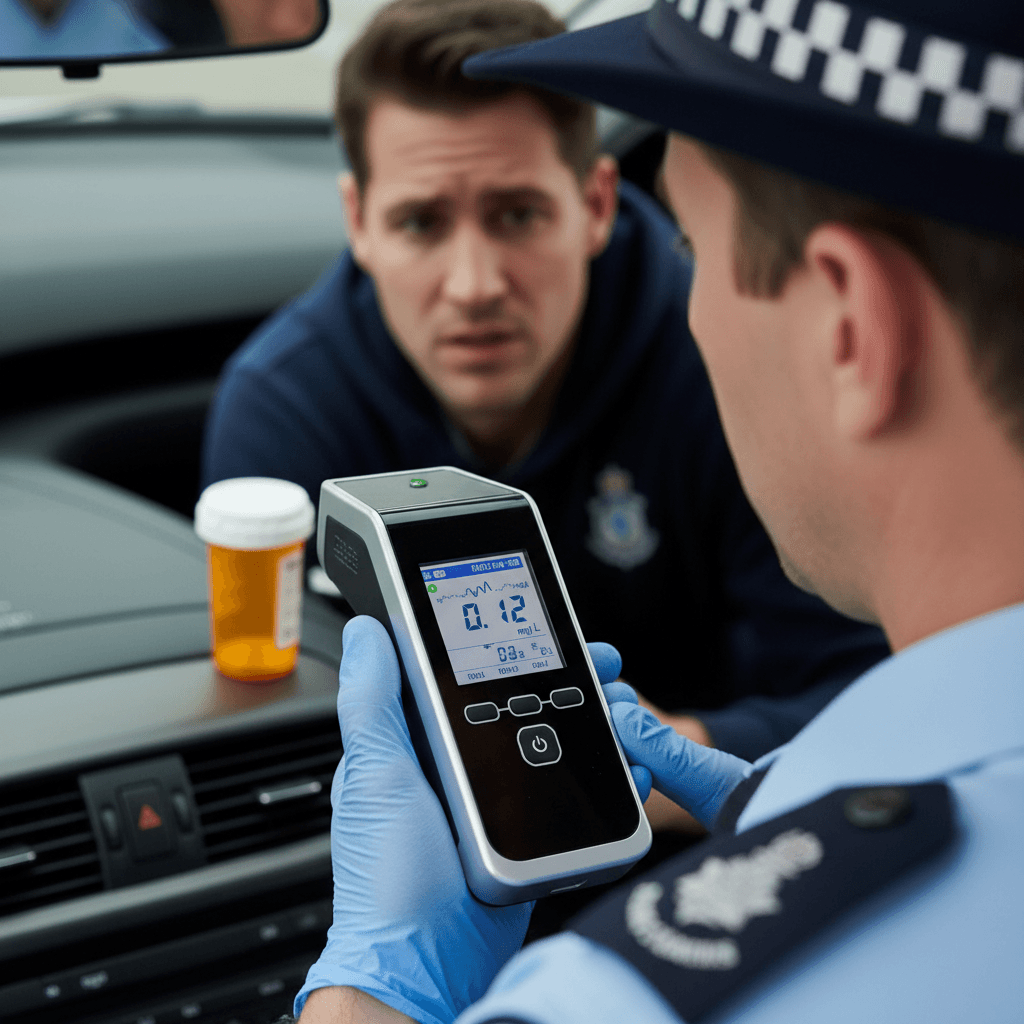
Australia’s approach to drug driving enforcement may be on the verge of a significant transformation. Recent reports indicate a breakthrough in cannabis breathalyser technology, promising a vital change in how impairment is detected on Australian roads. This development holds substantial implications for drug users, potentially offering a more nuanced and equitable system.
The Breakthrough in Cannabis Breathalyser Technology
A recent report by News.com.au highlights a significant advancement in cannabis breathalyser technology. This new generation of devices aims to accurately measure actual impairment, moving beyond merely detecting the presence of substances. A breathalyser designed to measure impairment would focus on active substances in the breath, which could correlate more closely with recent use and potential impairment.
How Impairment-Focused Testing Could Work
The principle behind such a device is to identify specific indicators that are indicative of recent consumption and a level of impairment that would affect driving ability. This shift from “presence” to “impairment” testing could:
- Provide Real-time Assessment: Offer law enforcement a tool for on-the-spot assessment of a driver’s fitness to operate a vehicle.
- Reduce False Positives: Potentially reduce the number of individuals wrongly accused of drug driving when not impaired.
- Inform Policy Reform: Provide data that could underpin more evidence-based drug driving policies.
Implications for Drug Users and Policy
The introduction of reliable cannabis breathalyser technology that measures impairment could have profound implications for drug users in Australia. It offers the prospect of greater clarity and potentially allows individuals to drive legally without fear of prosecution, provided they are not impaired.
The potential for a cannabis breathalyser breakthrough represents a critical juncture for Australia’s drug driving policy. It signals a move towards a more sophisticated and equitable approach to drug driving enforcement.
Disclaimer: This article is for informational purposes only and does not constitute medical advice. Hemp Gazette does not provide medical recommendations, diagnoses, or treatment plans. Always consult a qualified healthcare practitioner before making any decisions regarding your health or any medical condition. Statements concerning the therapeutic uses of hemp, cannabis, or cannabinoid-derived products have not been evaluated by Australia’s Therapeutic Goods Administration (TGA). Medicinal cannabis products in Australia are accessed via prescription pathways under TGA regulation.