
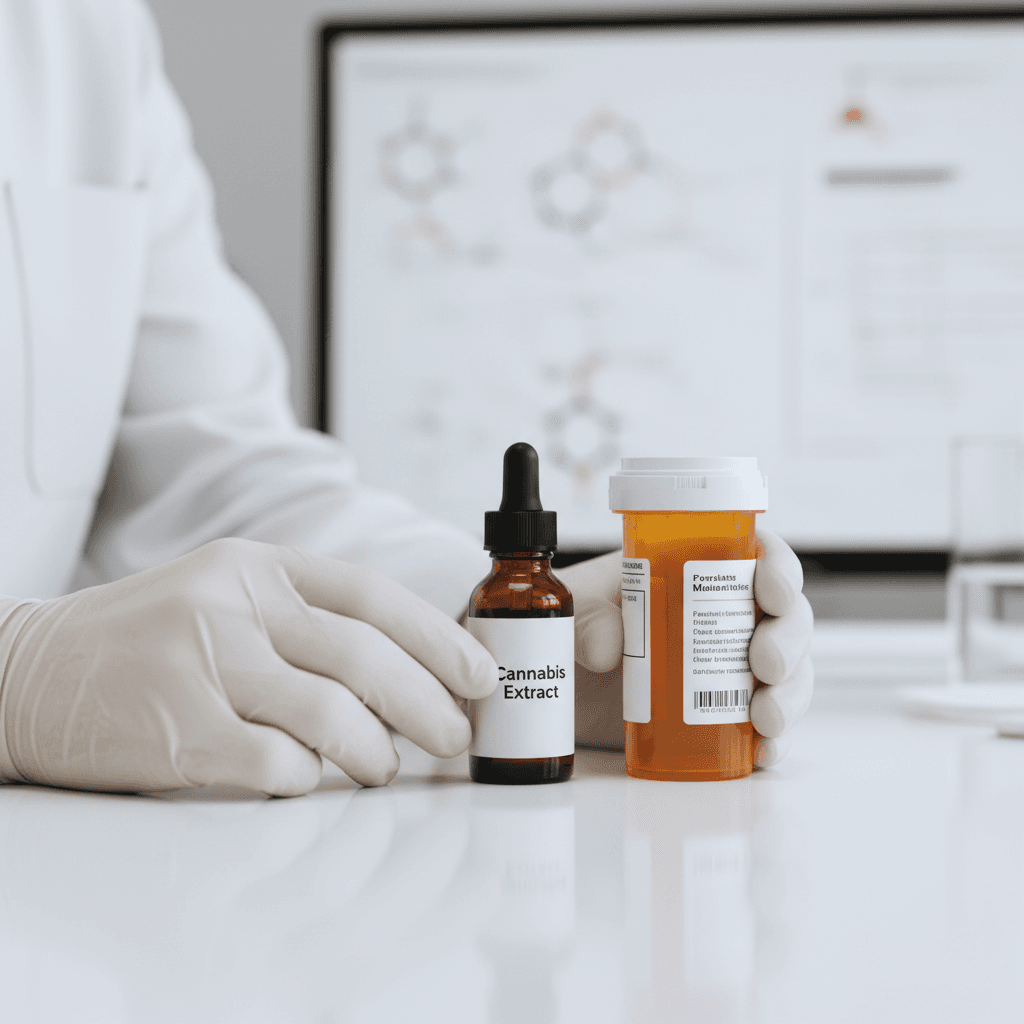
New research, supported by federal funding, indicates a notable association between the legalisation of medical or recreational cannabis and significant reductions in opioid overdoses. The study, which focused on non-fatal opioid poisonings among adults with employer-sponsored health insurance, suggests a potential ‘substitution effect’ where cannabis may be used in place of opioids.
Researchers at the University of Kentucky’s College of Public Health published their findings in the journal Preventive Medicine Reports. This study is considered the first of its kind to specifically identify an association between expanded cannabis access and non-fatal opioid poisonings within this demographic, according to Marijuana Moment.
Understanding the Study’s Findings on Cannabis and Opioid Overdoses
The federally funded study analysed claims data from 107.5 million commercially insured adults aged 18-64 across all 50 US states and Washington, D.C., spanning from 2011 to 2021. The authors reported that access to medical cannabis dispensaries (MCDs) and recreational cannabis laws (RCLs) were associated with meaningful reductions in non-fatal opioid overdoses.
- Medical Cannabis Dispensaries (MCDs): Associated with a 15.47 percent reduction in non-fatal opioid overdoses per 100,000 enrollees per quarter.
- Recreational Cannabis Laws (RCLs): Associated with an 11.92 percent reduction in non-fatal opioid overdoses per 100,000 enrollees per quarter.
The reductions linked to medical dispensaries were observed in both men and women, with a particularly pronounced effect among younger adults aged 18–34, who experienced a 23.27 percent reduction. These findings suggest that greater access to cannabis, through both medical and recreational pathways, may contribute to lower non-fatal opioid overdoses in populations that are heavily impacted.
Consistent Themes in Cannabis Research
While the specific data on non-fatal opioid poisonings in this insured population is novel, the broader takeaway aligns with an increasing body of scientific literature exploring the relationship between cannabis and opioid use. As previously reported by Hemp Gazette, other studies have also indicated that medical cannabis availability is linked to decreased opioid prescription use, particularly among chronic pain patients and those with cancer.
For instance, other research has indicated that making medical cannabis available and affordable may be associated with patients reducing their use of prescription painkillers. A separate study involving over 3,500 patients reported that participants indicated experiencing fewer negative side effects after transitioning from prescription drugs, including opioids, to cannabis. Furthermore, a federally funded study published earlier this year indicated that approximately one in three CBD users consider it an alternative or supplement to at least one medication, especially painkillers.
Research published by the American Medical Association (AMA) has also provided evidence suggesting that cannabis may be considered as a substitute for opioids in chronic pain management. Australian researchers similarly published a study indicating that cannabis may be considered as a substitute for opioids in pain management.
Policy Implications for Harm Reduction
The study concludes that these findings support the continuation of evidence-based opioid use disorder treatments. It also suggests that policymakers could consider cannabis legalisation as a complementary strategy, prioritising harm reduction and the expansion of treatment options. The consistent evidence across various studies points towards a potential role for cannabis in addressing aspects of the opioid crisis, particularly concerning the reduction of opioid use and associated harms.
Disclaimer: This article is for informational purposes only and does not constitute medical advice. Hemp Gazette does not provide medical recommendations, diagnoses, or treatment plans. Always consult a qualified healthcare practitioner before making any decisions regarding your health or any medical condition. Statements concerning the therapeutic uses of hemp, cannabis, or cannabinoid-derived products have not been evaluated by Australia’s Therapeutic Goods Administration (TGA). Medicinal cannabis products in Australia are accessed via prescription pathways under TGA regulation.