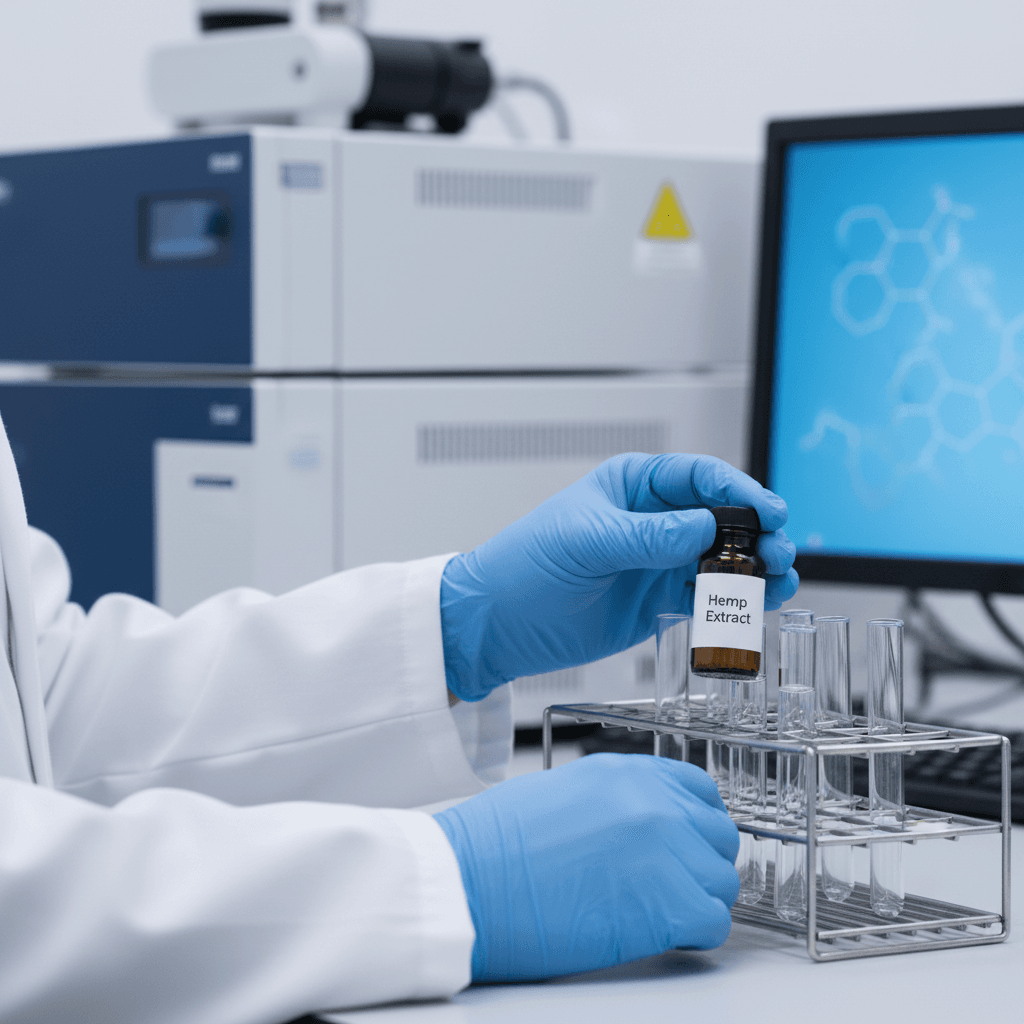
The Gyeonggi Provincial Institute of Health and Environment has confirmed the safety of industrial hemp products and imported gummies distributed within the province. An analysis of 43 items concluded that all products met South Korea’s domestic food safety standards as of May 19, 2026, addressing consumer concerns regarding cannabis and narcotic substances.
This initiative focused on ensuring the integrity of the industrial hemp product safety landscape, particularly for items derived from fibers, seeds, and extracts such as cannabidiol (CBD).
Scope of Product Testing
The Gyeonggi Provincial Institute of Health and Environment conducted a targeted collection and testing program across various distribution channels, both online and offline. This was undertaken to enhance the reliability of distributed foods and mitigate consumer apprehension, particularly concerning products available through imported food stores.
- Online Collection: 15 cases of cannabis seeds and hemp seed oil, both domestically produced and imported, were collected from online shopping malls.
- Offline Collection: 28 cases, primarily consisting of imported gummies, were sourced from specialized overseas snack stores, department stores, and convenience stores.
The institute noted that during the manufacturing process of cannabis seeds and hemp seed oil, there is a potential for hallucinogenic components to remain if the cannabis husk, which contains such substances, is not completely removed.
Regulatory Compliance and Test Results
South Korea’s Food Sanitation Act establishes specific standards for the content of psychoactive substances, including tetrahydrocannabinol (THC) and cannabidiol (CBD), to regulate these products. The testing confirmed that all 15 hemp-derived products collected from online shopping malls were found to be within the permitted domestic limits for these compounds.
For the 28 imported gummies, which included products manufactured in jurisdictions where cannabis use is legal, the institute conducted additional testing. Beyond cannabis components, these products were screened for five major illegal narcotic substances:
- Methamphetamine
- Amphetamine
- Cocaine
- MDMA
- LSD
The tests concluded that none of the imported gummies contained cannabis or any of the specified narcotic substances, as reported by the institute.
Official Statement and Future Monitoring
Lee Myoungjin, Director of the Gyeonggi Provincial Institute of Health and Environment, commented on the findings. “There have been cases in the past where hemp products with excessive THC content were distributed domestically, causing controversy,” Lee stated. “However, in this inspection, all products were confirmed to be within the standards. We will continue to monitor widely consumed foods in line with changing consumption trends to minimize blind spots in food safety.”
This ongoing monitoring aims to maintain robust industrial hemp product safety oversight within the region.
Disclaimer: This article is for informational purposes only and does not constitute medical advice. Hemp Gazette does not provide medical recommendations, diagnoses, or treatment plans. Always consult a qualified healthcare practitioner before making any decisions regarding your health or any medical condition. Statements concerning the therapeutic uses of hemp, cannabis, or cannabinoid-derived products have not been evaluated by Australia’s Therapeutic Goods Administration (TGA). Medicinal cannabis products in Australia are accessed via prescription pathways under TGA regulation.