
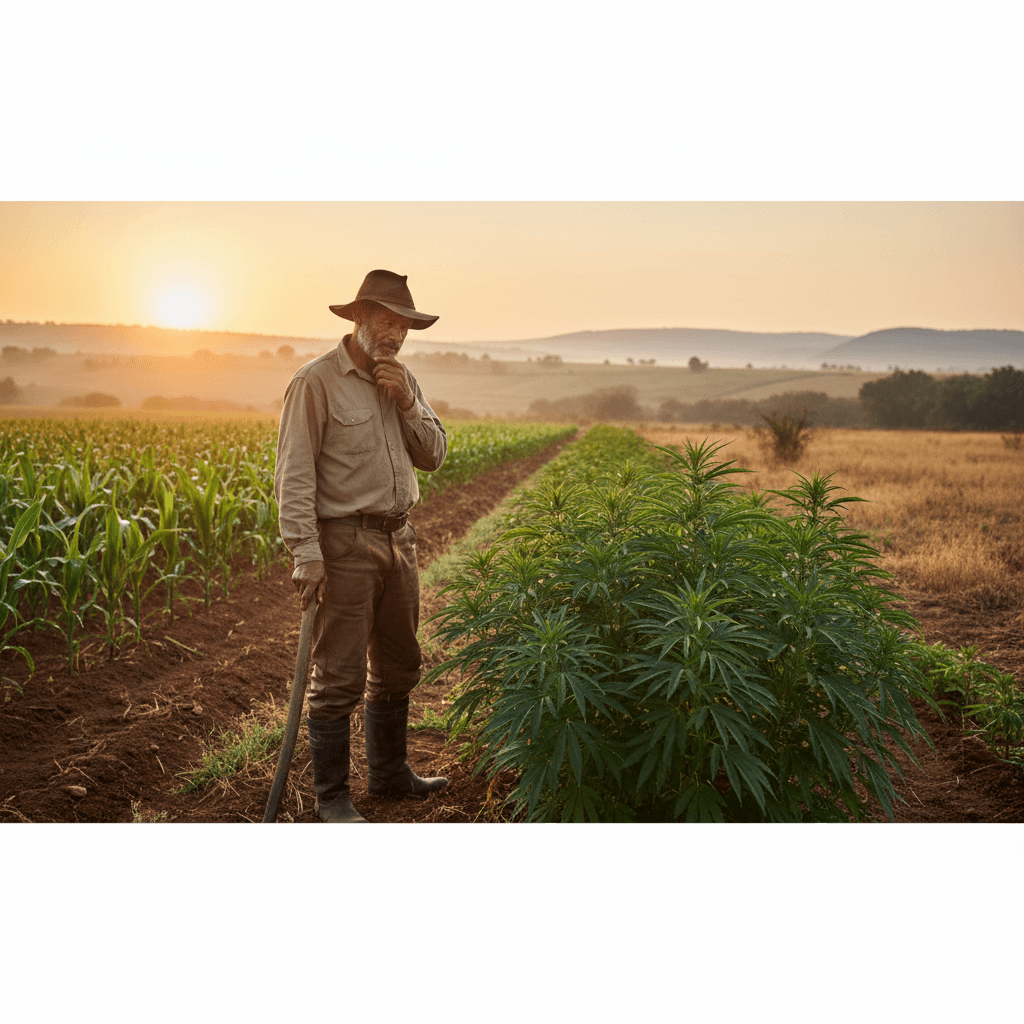
A recent headline from Food For Mzansi indicates that farmers in KwaZulu-Natal, South Africa, are reportedly rejecting industrial hemp. This observation, while not detailing specific reasons, underscores the complexities involved in establishing new agricultural value chains, particularly for a crop like industrial hemp that requires significant infrastructure and market development.
For the industrial hemp sector to grow sustainably, understanding and addressing farmer concerns is crucial. The reported hesitation in KwaZulu-Natal could stem from a variety of factors common to emerging agricultural markets.
Understanding Farmer Hesitation in Industrial Hemp Cultivation
When introducing a new crop like industrial hemp, farmers often face several challenges that can lead to reluctance in adoption. These are not unique to KwaZulu-Natal but are frequently observed in regions developing their hemp industries:
- Market Access and Stability: A primary concern for any farmer is a clear and reliable market for their produce. Without established buyers, processing facilities, and a defined supply chain for industrial hemp fiber, hurd, or seed, farmers may be wary of committing land and resources.
- Processing Infrastructure: Industrial hemp requires specialized processing equipment for decortication (separating fiber from hurd), seed cleaning, and oil extraction. The absence of local processing facilities means farmers might incur high transport costs or lack a viable outlet for their harvest.
- Agronomic Knowledge and Support: Cultivating industrial hemp effectively requires specific agronomic knowledge, including cultivar selection, optimal planting times, nutrient management, and pest control. Lack of accessible research, extension services, and experienced agronomists can deter farmers.
- Regulatory Clarity: While South Africa has made strides in legalizing hemp cultivation, ongoing clarity regarding licensing, THC limits, and permitted end-uses is vital. Ambiguity can create uncertainty and risk for growers.
- Financial Investment: Initial investment in specialized harvesting equipment or adapting existing machinery can be substantial. Farmers need confidence in returns to justify these costs.
Building a Robust Industrial Hemp Sector
To overcome such challenges and foster broader adoption of industrial hemp, a concerted effort is needed from government, industry, and research institutions. This includes:
- Investment in Infrastructure: Developing regional processing hubs that can handle large volumes of hemp biomass is essential. This would reduce logistical burdens on farmers and create local employment opportunities.
- Research and Development: Localized research into suitable industrial hemp cultivars for specific climatic conditions, optimal farming practices, and value-added product development can provide farmers with data-driven guidance.
- Farmer Education and Training: Practical workshops, field days, and accessible resources can equip farmers with the knowledge and skills needed for successful hemp cultivation.
- Policy Support and Incentives: Clear, stable regulatory frameworks, coupled with potential incentives for early adopters or those investing in processing, can de-risk participation for farmers.
The Path Forward for Industrial Hemp in South Africa
The reported reluctance among KwaZulu-Natal farmers serves as an important indicator for the broader industrial hemp industry in South Africa. It highlights the need for a holistic approach that goes beyond simply legalizing cultivation. For industrial hemp to reach its full potential as a sustainable crop for fiber, building materials, and food products, it requires a supportive ecosystem that addresses the practical concerns of farmers. This includes ensuring market access, establishing processing capabilities, and providing robust agronomic and regulatory support. By understanding and responding to these challenges, stakeholders can work towards creating a viable and attractive pathway for industrial hemp cultivation across the region.
Disclaimer: This article is for informational purposes only and does not constitute medical advice. Hemp Gazette does not provide medical recommendations, diagnoses, or treatment plans. Always consult a qualified healthcare practitioner before making any decisions regarding your health or any medical condition. Statements concerning the therapeutic uses of hemp, cannabis, or cannabinoid-derived products have not been evaluated by Australia’s Therapeutic Goods Administration (TGA). Medicinal cannabis products in Australia are accessed via prescription pathways under TGA regulation.