
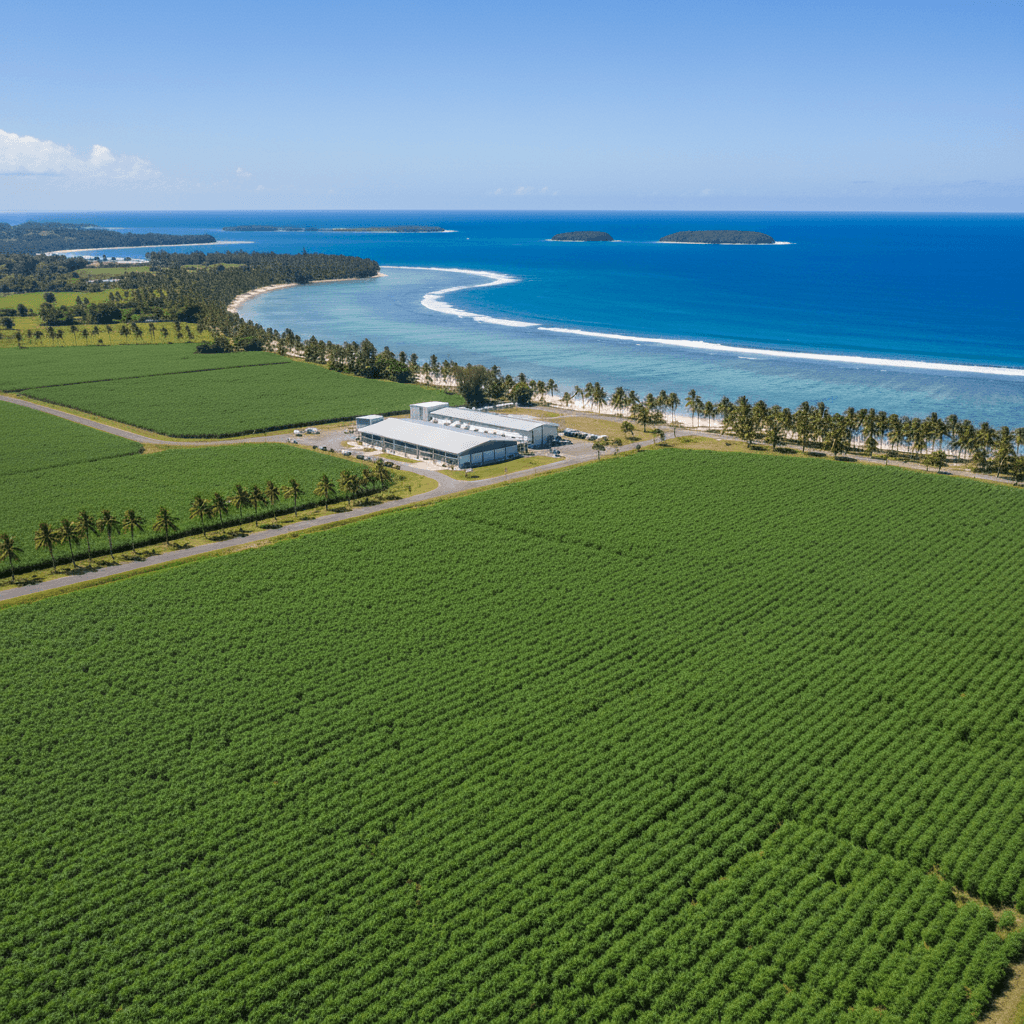
Fiji’s Industrial Hemp Legal Framework
The legal foundation for an industrial hemp sector in Fiji was established with the tabling and subsequent passing of the Illicit Drugs Control (Budget Amendment) Bill 2022. Introduced on July 25, 2022, and effective August 1, 2022, the legislation made a significant distinction: industrial hemp containing less than one per cent tetrahydrocannabinol (THC) would no longer be classified as an illicit drug under Fiji’s principal narcotics legislation. This amendment created a framework for the importation, cultivation, possession, sale, and supply of industrial hemp under regulated conditions. Despite this legislative breakthrough, nearly four years later, the sector remains largely in an embryonic stage, prompting questions about Fiji’s progress in capitalizing on this economic opportunity.
Economic Ambitions and Global Context
The 2022 amendment was positioned as a key economic policy shift, aiming to leverage industrial hemp for agriculture, manufacturing, pharmaceuticals, and sustainability. Globally, hemp is recognized for its versatility, with estimates suggesting over 50,000 commercial applications across textiles, medicines, cosmetics, food products, construction materials, and industrial manufacturing. Government messaging at the time highlighted this economic promise, aligning with a global trend of accelerating investment into hemp-derived products and green manufacturing technologies.
Hemp-Derived Plastics and Environmental Solutions
One notable global development is hemp’s increasing role as a sustainable alternative to petroleum-based plastics. Researchers from the University of Connecticut recently developed a hemp-derived thermoplastic, detailed in the journal Chem Circularity, capable of stretching to 1,600 per cent of its original size while maintaining durability under extreme heat. This research demonstrated the potential to produce transparent plastic films, coatings, and flexible materials from cannabidiol (CBD), a non-psychoactive compound found in hemp flowers. This offers a potential alternative to conventional plastics like polyethylene terephthalate (PET), which rely on crude oil and natural gas and contribute to microplastic contamination. Research leader Gregory Sotzing noted the potential for CBD to replace bisphenol-A in industrial applications.
For Fiji, this research is particularly relevant given the country’s plastic pollution challenges. Fiji generates approximately 15,000 tonnes of plastic waste annually, with over 7,000 tonnes potentially entering the ocean each year. A 2026 study found microplastics in 75 per cent of coastal fish sampled in Fiji, nearly double the global average. Furthermore, a baseline study by the University of the South Pacific this year confirmed microplastics in Fiji’s tap water, bottled water, rainwater, and groundwater. Scaling local industrial hemp cultivation could enable Fiji to participate in producing sustainable packaging materials and biodegradable products, addressing an environmental crisis while creating a new agricultural and manufacturing industry.
Pharmaceutical and Export Opportunities
Beyond sustainability, Fiji’s potential advantage may lie in medicinal cannabis and pharmaceutical-grade hemp products. Government officials and industry stakeholders have indicated support for an export-only medicinal cannabis industry, with projections of generating as much as $140 million annually. The strategy focuses on high-value pharmaceutical-grade oils, extracts, and nutraceutical products, aligning with global trends in cannabis-based wellness and therapeutic markets. Officials have also considered integrating traditional Fijian medicinal knowledge to create a unique Pacific-focused wellness sector, leveraging Fiji’s international brand image.
Diversified Industrial Applications
The versatility of industrial hemp also presents opportunities across multiple economic sectors. The Textile, Clothing and Footwear Council has identified hemp fibre as a potential catalyst for Fiji’s manufacturing sector, particularly in high-end sustainable apparel for export to markets like Australia, New Zealand, and the Asia-Pacific. Hemp seeds and oils are also marketed internationally as “superfoods”, rich in proteins, omega fatty acids and nutrients. Potential export products include cold-pressed hemp oils, protein powders and hemp-based skincare and cosmetic products. The construction sector presents another strategic possibility. Hempcrete — a bio-composite building material made from hemp fibres — is attracting attention globally as a carbon-negative, fire-resistant alternative for sustainable housing. For a climate-vulnerable Pacific nation frequently confronting cyclones and rising environmental pressures, becoming a regional hub for hemp-based construction materials could align economic development with climate resilience goals.
Disclaimer: This article is for informational purposes only and does not constitute medical advice. Hemp Gazette does not provide medical recommendations, diagnoses, or treatment plans. Always consult a qualified healthcare practitioner before making any decisions regarding your health or any medical condition. Statements concerning the therapeutic uses of hemp, cannabis, or cannabinoid-derived products have not been evaluated by Australia’s Therapeutic Goods Administration (TGA). Medicinal cannabis products in Australia are accessed via prescription pathways under TGA regulation.