
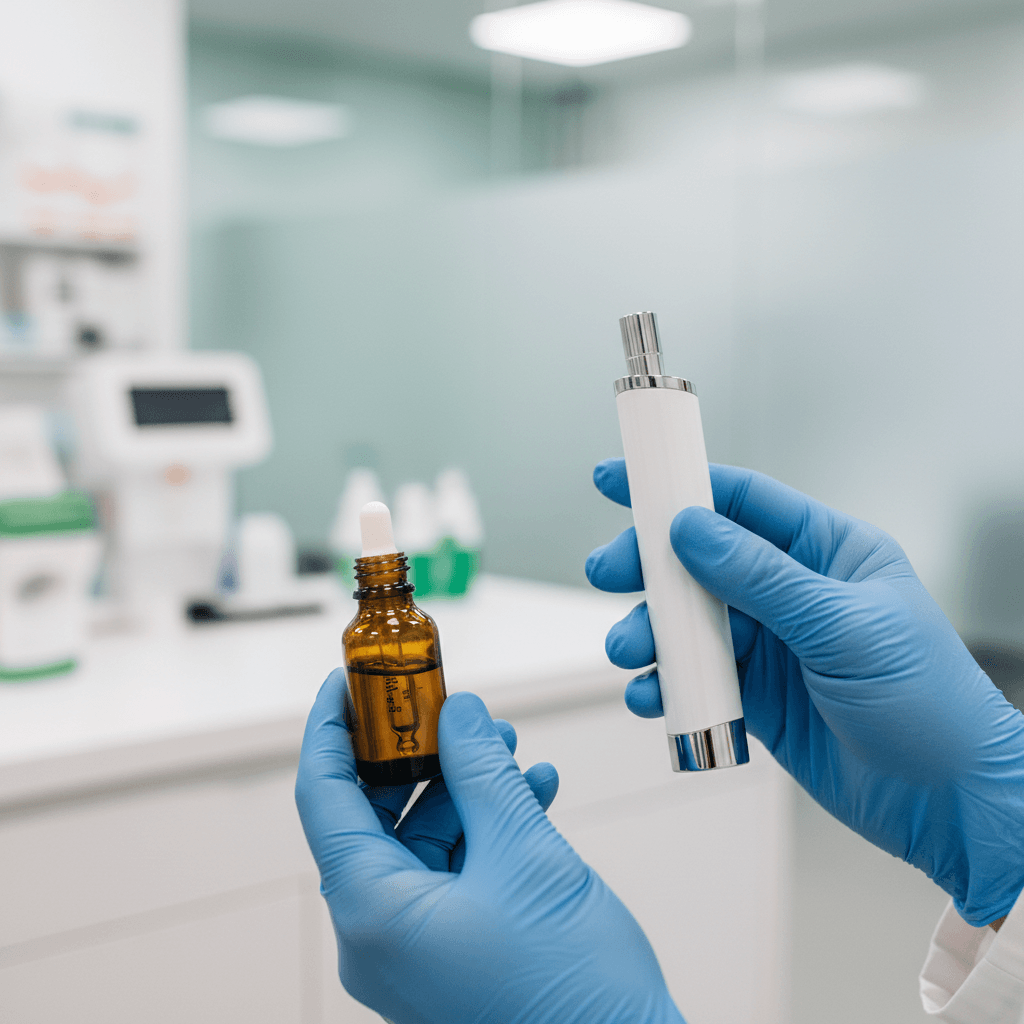
A special committee within Israel’s Health Ministry has recommended a gradual cessation of the use and marketing of smoked medical cannabis over the next three years. This proposal, reported by The Times of Israel, suggests replacing inhalation via smoking with alternative delivery methods such as extracts or precision inhalers. The committee cited concerns regarding potential health risks associated with smoking and the inconsistent absorption of cannabinoids through this route.
The recommendations come as Israel, which has one of the highest per capita rates of medical cannabis consumption globally, observes a significant increase in license holders. According to the committee, led by Dr. Gilad Bodenheimer, head of the ministry’s mental health division, the number of medical cannabis license holders rose from 33,000 in 2019 to 140,000 in 2025, with a notable increase among men and individuals under the age of 45.
Rationale for the Shift in Medical Cannabis Policy
The committee’s advice is rooted in a review of the current landscape of medical cannabis use. While certain long-term effects associated with cannabis use are recognised, the panel expressed particular concern about the efficacy and safety profile of smoked forms. Inconsistent absorption can lead to unpredictable patient responses, making precise dosing and therapeutic outcomes challenging for prescribing clinicians.
Furthermore, the committee highlighted that the potential benefit of medical cannabis for individuals with Post-Traumatic Stress Disorder (PTSD) is not yet sufficiently established in studies, and it raised concerns about patients’ ability to maintain regular daily functioning while using cannabis. These observations underscore a cautious approach to expanding access without robust evidence of benefit and clear understanding of potential impacts on patient well-being.
Recommendations for Patient Access and Prescribing
To address these concerns and enhance patient care, the committee put forth several key recommendations:
- Targeted Use: Medical cannabis use should be primarily reserved for severe distress situations, such as intractable insomnia or debilitating flashbacks, and only as an adjunct to established psychotherapy. This approach emphasises a role for cannabis within a broader, evidence-based treatment plan.
- Dispensing Transfer: The committee recommended transferring the dispensing of medical cannabis to health insurance funds within approximately one year. This move aims to support continuity of treatment for patients and provide treating physicians with comprehensive access to a patient’s full medical history, facilitating more informed prescribing decisions.
- Prescription Review: Renewal of medical cannabis prescriptions beyond six months would necessitate a direct meeting with the prescribing physician. This measure is intended to encourage regular clinical review and support ongoing appropriateness of treatment.
These recommendations reflect a broader effort to integrate medical cannabis into a more regulated and clinically supervised healthcare framework, prioritising patient safety and treatment efficacy. The shift away from smoked forms towards more controlled and consistent delivery methods aligns with a cautious, evidence-anchored approach to cannabinoid therapeutics.
Disclaimer: This article is for informational purposes only and does not constitute medical advice. Hemp Gazette does not provide medical recommendations, diagnoses, or treatment plans. Always consult a qualified healthcare practitioner before making any decisions regarding your health or any medical condition. Statements concerning the therapeutic uses of hemp, cannabis, or cannabinoid-derived products have not been evaluated by Australia’s Therapeutic Goods Administration (TGA). Medicinal cannabis products in Australia are accessed via prescription pathways under TGA regulation.