
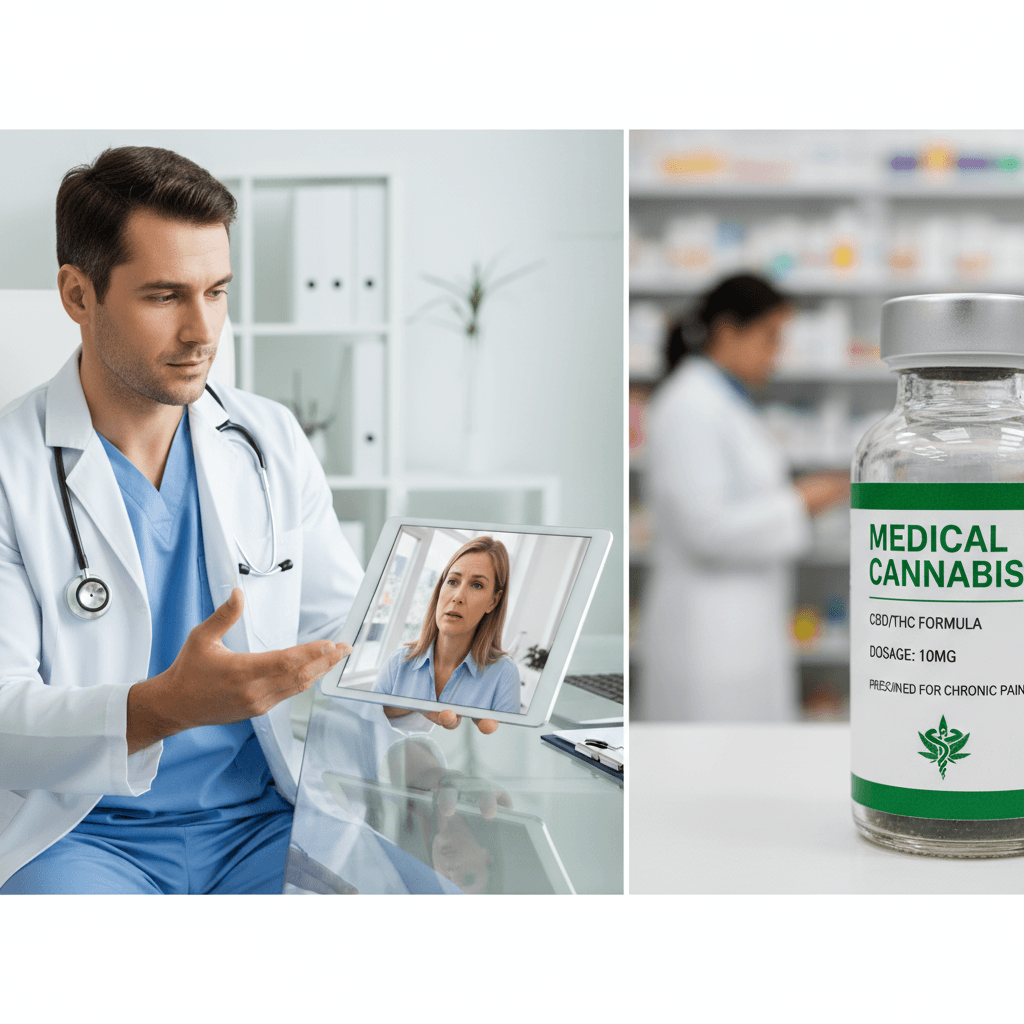
The landscape of medical cannabis access has undergone a significant transformation in recent years, with virtual consultations increasingly replacing traditional in-person medical visits across major markets. This shift, accelerated by global health events and regulatory fragmentation, has established telemedicine as a primary pathway for patients seeking medical cannabis in countries including the United States, Germany, the United Kingdom, and Australia. The data from the past two years indicates a clear and sustained trend towards digital certifications and prescriptions, as detailed in a report by Tekedia.
The Global Shift in Medical Cannabis Access Pathways
The adoption of telemedicine for medical cannabis prescribing began as a response to various market and regulatory conditions, evolving into a structural foundation for patient onboarding across diverse healthcare systems.
United States: A Telehealth-First Blueprint
The United States pioneered the telehealth-first model, driven by the COVID-19 pandemic and fragmented state-level regulations for medical cannabis. With cannabis federally illegal but medically legal in 40 states (as of mid-2025), operators faced complex compliance. Building extensive brick-and-mortar clinics was less viable than telehealth. Platforms like MMJ.com now operate across 21 states, streamlining patient experience by managing state-specific requirements. This approach facilitated substantial patient growth, from approximately 678,000 in 2016 to around 3 million by 2020, according to a 2022 Annals of Internal Medicine analysis, with continued expansion.
Germany: Rapid Expansion Post-Reform
Germany experienced rapid market expansion following the Medical Cannabis Act (MedCanG) on April 1, 2024, which removed cannabis from the country’s narcotics list. This allowed doctors to prescribe it without special permits. German medical cannabis prescriptions surged approximately 3,300% between March 2024 and December 2025, based on Bloomwell data. Patient counts increased from about 250,000 in April 2024 to nearly 900,000 by mid-2025. By late 2025, the German market reached an estimated $997 million, a 155% year-over-year increase, making it the largest patient market outside North America. Telemedicine was a primary driver, with over 60% of rural patients in some states relying solely on digital prescriptions.
United Kingdom: Private Clinics Drive Growth
The United Kingdom, which legalized medical cannabis in November 2018, initially saw slower patient growth due to restrictive National Health Service (NHS) prescribing rules. However, private telehealth clinics subsequently changed this. Between 2022 and 2024, the volume of medical cannabis flower prescribed to UK patients increased by 262%, from approximately 2,700 kilograms to over 10,000 kilograms, according to Home Office import records. Prescription counts more than doubled in a single year. By late 2025, an estimated 80,000 active medical cannabis patients accessed care through approximately 20 to 25 specialist clinics, predominantly telehealth-first operators. Most UK medical cannabis prescriptions now originate from private channels, largely via telemedicine.
Australia: Telehealth-Driven Boom
Australia has also experienced a telehealth-driven surge in medical cannabis use. Approximately one million individuals now use medicinal cannabis under the Therapeutic Goods Administration’s (TGA) Special Access Scheme. Imports of medical cannabis in Australia rose nearly tenfold between 2021 and 2024, reflecting the impact of virtual consultations on patient access.
Factors Driving Telemedicine Adoption
- Patient Density: Medical cannabis patients are often geographically dispersed. Telehealth addresses the logistical challenge of connecting a small pool of specialists with a national patient base, making physical clinics less efficient.
- Stigma: Patient surveys in Germany and the UK indicate a preference for the privacy of private telemedicine visits over attending visible specialty clinics.
- Specialty Concentration: A limited number of physicians account for a disproportionate share of medical cannabis prescriptions. UK Freedom of Information data showed just 10 doctors issued 52% of all medical cannabis prescriptions between 2019 and early 2025. Telehealth provides the infrastructure for these specialists to reach a broad patient demographic.
Emerging Regulatory Scrutiny
Despite widespread adoption, the telemedicine model for medical cannabis is facing increased regulatory scrutiny. In October 2025, Germany’s Federal Cabinet approved draft amendments to the MedCanG. These propose requiring an in-person consultation for any initial cannabis prescription, restricting mail-order dispensing, and limiting follow-up telemedicine. The German Health Minister cited a roughly 400% surge in cannabis imports as a basis for misuse concerns. Industry groups have countered that medical cannabis dependency is lower than for opioids or Z-drugs. These amendments are scheduled for second and third Bundestag readings in spring 2026.
Australia’s Therapeutic Goods Administration is also preparing similar reforms, having concluded a public consultation in late 2025 on tightening telehealth-driven cannabis prescribing. The United States, where pandemic-era telehealth flexibilities for controlled-substance prescribing have been repeatedly extended, is approaching a similar debate.
Implications for Developing Markets
For African markets and other regions considering regulated medical cannabis frameworks, the global experience suggests telemedicine will likely be the primary access channel from the outset. The policy focus has shifted from whether to permit virtual prescribing to establishing appropriate guardrails to prevent abuse. Countries integrating these guardrails into initial legislation may avoid retroactive restrictions, such as those in Germany.
The widespread adoption of telemedicine for medical cannabis represents a significant real-world test of specialty telemedicine at a national scale. While regulatory adjustments are anticipated, the fundamental shift towards digital-first consultations for medical cannabis access is likely to persist, driven by patient preference and logistical efficiencies.
Disclaimer: This article is for informational purposes only and does not constitute medical advice. Hemp Gazette does not provide medical recommendations, diagnoses, or treatment plans. Always consult a qualified healthcare practitioner before making any decisions regarding your health or any medical condition. Statements concerning the therapeutic uses of hemp, cannabis, or cannabinoid-derived products have not been evaluated by Australia’s Therapeutic Goods Administration (TGA). Medicinal cannabis products in Australia are accessed via prescription pathways under TGA regulation.