Florida regulators have engaged with multi-state cannabis operator Trulieve over alleged environmental violations at one of its cultivation sites. This incident, reported by MJBizDaily, underscores the increasing scrutiny on cannabis environmental compliance within the rapidly expanding industry.
Alleged Environmental Violations at Cultivation Site
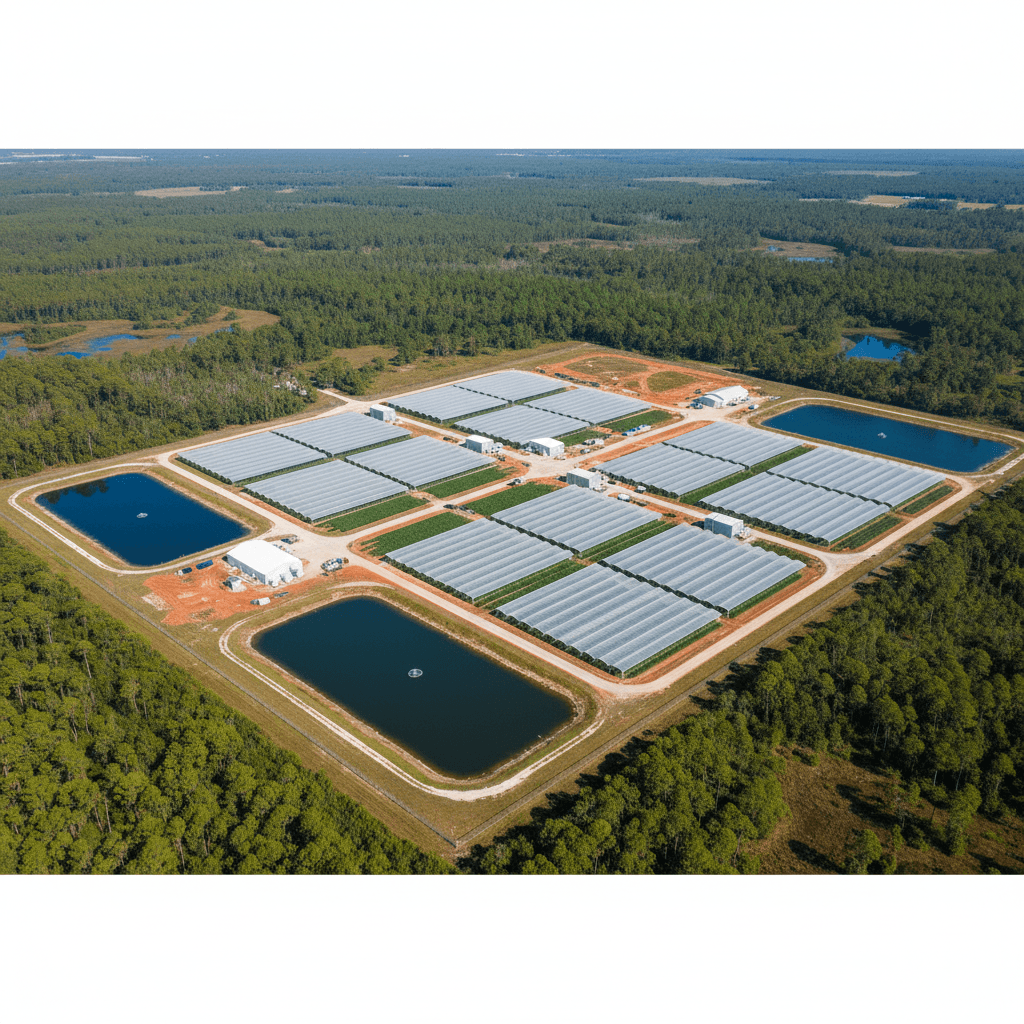
The specific allegations against Trulieve involve several environmental infractions related to the management of its cultivation facilities. These include:
- The presence of unpermitted impervious surfaces, which can alter natural water flow and increase stormwater runoff.
- Accumulation of standing water in stormwater ponds, potentially indicating inadequate drainage or capacity issues.
- Erosion caused by prolonged water discharge, which can lead to soil degradation and sediment runoff into nearby water bodies.
These types of violations typically fall under state and local regulations governing stormwater management, land use, and pollution control. Such rules are designed to prevent contamination of natural resources, protect local ecosystems, and ensure sustainable agricultural practices.
Operational and Regulatory Implications for MSOs
The engagement between Florida regulators and Trulieve highlights the complex regulatory environment facing large-scale cannabis cultivation operations. For multi-state operators (MSOs) like Trulieve, ensuring consistent cannabis environmental compliance across various jurisdictions presents a significant operational challenge. Each state may have specific requirements regarding water usage, waste disposal, and land management, necessitating robust internal protocols and regular environmental audits.
Non-compliance with environmental regulations can lead to a range of adverse consequences for businesses. These may include substantial fines, mandatory remediation costs, operational disruptions, and potential delays in expansion plans. Furthermore, such incidents can impact a company’s public image and investor confidence, particularly in a sector where corporate social responsibility is gaining prominence.
This situation underscores the need for MSOs to invest in comprehensive environmental management systems and employ dedicated compliance personnel to navigate the evolving regulatory landscape effectively. Proactive measures can mitigate risks associated with environmental infractions and support operational continuity.
Broader Industry Context and Future Outlook
This incident serves as a broader reminder for all cannabis cultivators to proactively assess and manage their environmental footprint. As the industry matures, companies are increasingly subject to the same environmental standards as other agricultural or industrial enterprises. Implementing comprehensive environmental management systems, securing all necessary permits, and regularly monitoring site conditions are crucial steps to prevent similar issues.
The increased regulatory oversight of the cannabis sector, moving beyond initial licensing and product safety to broader operational compliance, including environmental protection, is a notable trend. This suggests that companies must integrate environmental stewardship into their core business strategies to mitigate risks and support long-term sustainability. Adherence to stringent environmental regulations will likely become a key differentiator for operators seeking to demonstrate responsible corporate practices and attract environmentally conscious investors.
The outcome of this dispute between Florida and Trulieve will be observed by other operators and regulators, potentially setting precedents for how environmental compliance issues are addressed within the cannabis cultivation industry moving forward.
Disclaimer: This article is for informational purposes only and does not constitute medical advice. Hemp Gazette does not provide medical recommendations, diagnoses, or treatment plans. Always consult a qualified healthcare practitioner before making any decisions regarding your health or any medical condition. Statements concerning the therapeutic uses of hemp, cannabis, or cannabinoid-derived products have not been evaluated by Australia’s Therapeutic Goods Administration (TGA). Medicinal cannabis products in Australia are accessed via prescription pathways under TGA regulation.