
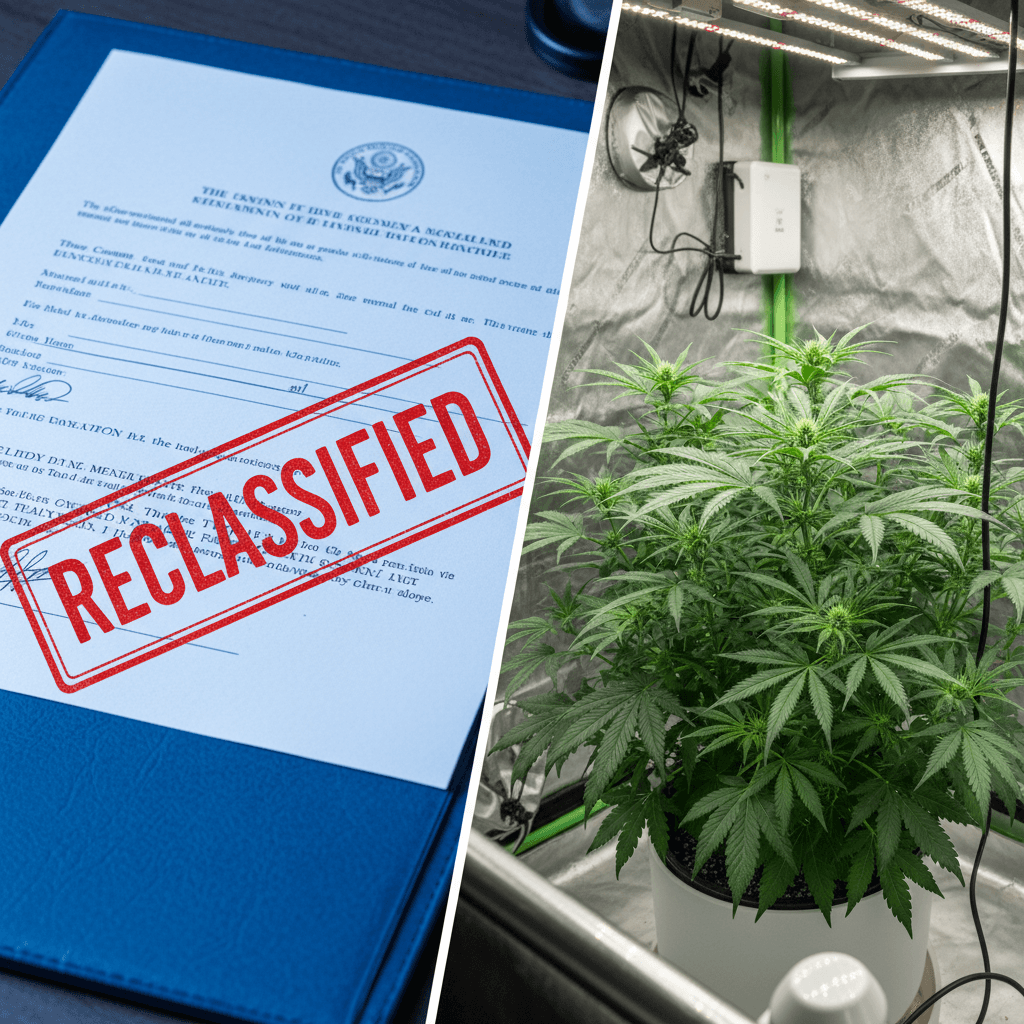
US Federal Medical Cannabis Rescheduling Marks Policy Shift
The US federal government’s recent decision, under the Trump administration, to reclassify state-authorized medical cannabis products represents a notable evolution in federal drug policy. This move, which also acknowledges state-licensed medical cannabis providers, is described as a foundational step toward aligning federal regulations with contemporary understanding, according to an analysis by NORML Deputy Director Paul Armentano, as published by NORML.
For over five decades, federal policy maintained that cannabis lacked legitimate medical utility, categorising it alongside substances like heroin under the Controlled Substances Act. This stance was enforced despite growing scientific and public consensus regarding its therapeutic applications, as previously reported by Hemp Gazette regarding the reclassification of medical cannabis.
Historical Context and Scientific Consensus
The shift follows decades of advocacy and state-level policy changes. Since California’s initiative in 1996, 40 US states have established laws permitting physician-authorised access to medical cannabis products. These state programs have demonstrated operational efficacy, with no jurisdictions repealing their medical cannabis statutes, indicating their functionality and minimal reported abuses.
Professional medical opinion has also evolved. Data indicates that 69 percent of family physicians, nurse practitioners, and other health professionals nationwide now acknowledge that cannabis possesses established medical uses. Furthermore, over 25 percent of clinicians report having recommended it to their patients.
Supporting this, an extensive 250-page review issued by the Department of Health and Human Services (HHS) in 2023 identified over 6 million patients utilising medical cannabis under physician supervision. The HHS concluded that “No safety concerns were identified in our review that would indicate that the medical use of marijuana poses unacceptably high safety risks for the indications where there is some credible scientific evidence supporting its therapeutic use.” This includes its application in the mitigation and management of chronic pain, a condition for which researchers affiliated with the National Academy of Sciences determined there exists “conclusive evidence” of cannabis efficacy nearly a decade prior.
Limitations of the Current Medical Cannabis Rescheduling Order
While the federal government’s medical cannabis rescheduling order is considered a positive development, it does not fully resolve the complex landscape of cannabis regulation in the United States. The policy change does not extend relief to patients residing in the 10 US states that currently lack regulated medical cannabis access. These individuals continue to face potential legal repercussions for cannabis use.
Moreover, the reclassification does not provide legal clarity or remedies for the thousands of businesses and millions of consumers in the 24 states that have legalised adult-use cannabis. Under federal law, the sale or consumption of cannabis in these states remains technically illegal, creating a persistent conflict between state and federal statutes.
Path Forward: Harmonising State and Federal Policy
To address these ongoing state-federal conflicts and to grant state governments explicit authority to establish their own cannabis regulatory frameworks, analogous to alcohol, the analysis suggests that cannabis must be removed entirely from the Controlled Substances Act. Such a legislative action would reinforce principles of federalism and could align federal policy with the regulatory autonomy exercised by states on other controlled substances.
Disclaimer: This article is for informational purposes only and does not constitute medical advice. Hemp Gazette does not provide medical recommendations, diagnoses, or treatment plans. Always consult a qualified healthcare practitioner before making any decisions regarding your health or any medical condition. Statements concerning the therapeutic uses of hemp, cannabis, or cannabinoid-derived products have not been evaluated by Australia’s Therapeutic Goods Administration (TGA). Medicinal cannabis products in Australia are accessed via prescription pathways under TGA regulation.