
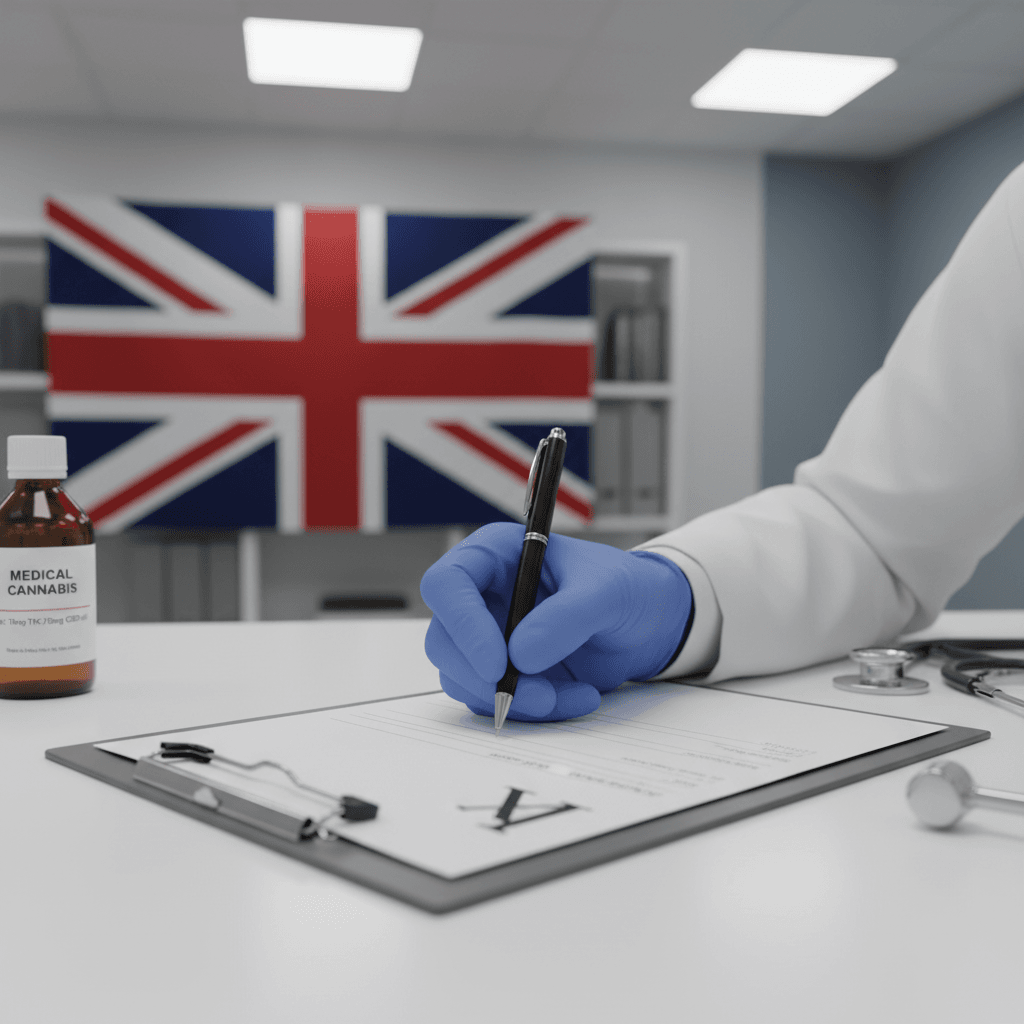
The landscape of medical cannabis prescription, continues to be defined by a tightly controlled medical framework, distinct from broader legalization seen in other jurisdictions. This dual approach maintains strict prohibitions on recreational use while permitting access under specific clinical conditions. For international communities, particularly those with ties to regions like North Africa where cannabis laws differ, understanding these British regulations is crucial for legal compliance and practical considerations.
UK Medical Cannabis Regulatory Framework
Cannabis in the United Kingdom remains classified as a Class B controlled substance under the Misuse of Drugs Act 1971. This classification means that possession, distribution, and production outside of authorized contexts constitute criminal offenses. However, a significant policy adjustment occurred in November 2018, which reclassified cannabis-based medicinal products to permit prescription use under specialist supervision. This established the dual framework that defines the UK’s approach in 2026: strict prohibition for recreational cannabis alongside limited medical legality within a regulated clinical system.
Patient Eligibility and Prescribing Pathway
Access to medical cannabis in the UK is highly controlled and is not available through general practitioners (GPs) or over the counter. Patients must meet several specific conditions:
- They must have a diagnosed medical condition.
- Conventional treatments for their condition must have been tried without sufficient success.
- A specialist doctor, listed on the General Medical Council register, must approve the prescription.
This cautious regulatory stance positions medical cannabis as a therapy considered after other treatments have been explored, rather than a first-line treatment. While the treatment is legal, access can be limited, with many prescriptions issued through private clinics rather than the National Health Service (NHS), which continues to prescribe cannabis-based medicines in relatively small numbers, as previously reported by Hemp Gazette in our coverage of UK medical cannabis access disparities.
Legal vs. Illegal Cannabis Activities
A common misunderstanding is that legal medical cannabis implies broader acceptance of cannabis use. However, the legal boundaries remain clear:
- Legal: Cannabis-based products prescribed by a specialist doctor, licensed medications such as Sativex or Epidyolex, and certain imported cannabis-based treatments under license.
- Illegal: Recreational cannabis use, possession without a prescription, buying cannabis from unregulated sources, and smoking cannabis, even if prescribed (alternative consumption methods are required).
This distinction is particularly important for individuals from regions where enforcement practices or cultural tolerances for cannabis may differ.
Evolving Enforcement and Public Awareness
A notable development leading into 2026 is not a change in the law itself, but in its understanding and enforcement. New national guidance introduced by UK police authorities aims to reduce confusion for medical cannabis patients. Officers are now encouraged to treat individuals as “patients first” when there is evidence of a valid prescription, rather than assuming criminal intent. This reflects a broader effort to align enforcement practices with existing legislation, addressing inconsistencies that arose in the years following the 2018 reclassification.
CBD Products and System Evolution
It is also essential to distinguish between medical cannabis and CBD products. CBD (cannabidiol) products are widely available in the UK, provided they meet strict regulatory requirements, including very low THC content. However, CBD is not equivalent to medical cannabis:
- CBD products are sold as wellness supplements.
- Medical cannabis contains regulated levels of cannabinoids and requires a prescription.
- The legal frameworks governing each are distinct.
Despite being legal for several years, the medical cannabis system in the UK is still developing. Access remains uneven, and public understanding continues to evolve. Estimates suggest that tens of thousands of patients now access medical cannabis through legal prescriptions, indicating gradual growth. Ongoing discussions focus on expanding clinical research, improving NHS access, standardizing prescribing practices, and clarifying public guidance. The National Institute for Health and Care Excellence (NICE) plays a central role in evaluating treatments and advising on their use within the NHS, reinforcing evidence-based prescribing and careful patient assessment.
For those navigating the UK medical cannabis laws, the key takeaway is clarity: the UK has not legalized cannabis broadly but has established a structured medical pathway that coexists with strict criminal prohibitions. Understanding this balance is crucial for legal compliance and informed decision-making.
Disclaimer: This article is for informational purposes only and does not constitute medical advice. Hemp Gazette does not provide medical recommendations, diagnoses, or treatment plans. Always consult a qualified healthcare practitioner before making any decisions regarding your health or any medical condition. Statements concerning the therapeutic uses of hemp, cannabis, or cannabinoid-derived products have not been evaluated by Australia’s Therapeutic Goods Administration (TGA). Medicinal cannabis products in Australia are accessed via prescription pathways under TGA regulation.