
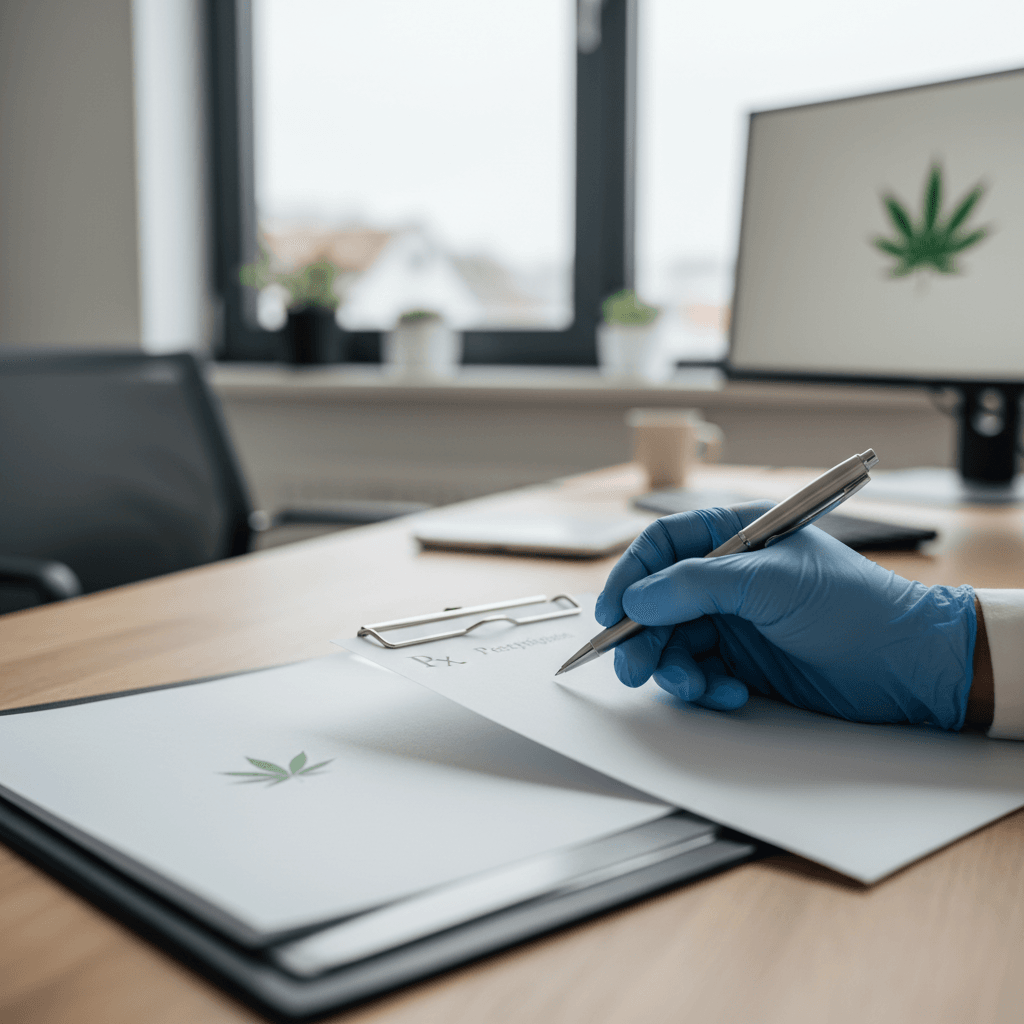
As jurisdictions consider evolving their approaches to medicinal cannabis, an American health expert has advised the Channel Islands of Jersey and Guernsey to learn from challenges observed in some US states regarding medicinal cannabis prescribing. Dr. Lynn Silver, a senior advisor for the Public Health Institute, suggests that allowing medicinal cannabis to become a widely available, commercial product could lead to increased levels of addiction among those inappropriately prescribed the substance.
Concerns Over Inappropriate Medicinal Cannabis Prescribing
Dr. Silver highlighted that while the decriminalisation of cannabis for medicinal purposes in 40 US states is a positive step, certain practices are putting a significant number of users at risk. According to Dr. Silver, these risks stem primarily from:
- Incorrect advertising of conditions for which medicinal cannabis should be prescribed.
- A lack of adequate knowledge among medical professionals regarding appropriate prescribing practices.
Speaking to ITV News, Dr. Silver noted, “We see insane promotion of marijuana use for a wide array of clinical conditions for which it’s not effective and may even be harmful, for example, depression.” She described a scenario where patients encounter promotional materials suggesting cannabis as a “safe wellness product” for various ailments, even being marketed as a routine painkiller. This, she suggests, is partly due to many doctors not being sufficiently familiar with how to prescribe the drug responsibly.
Furthermore, Dr. Silver reported instances where patients are given “highly potent” doses, potentially up to ten times higher than recommended for their specific condition, which she believes can “facilitate” addiction.
Mental Health Links and Patient Safety
The conversation around careful medicinal cannabis prescribing gained further urgency following a UK coroner’s ruling that legally prescribed medicinal cannabis contributed to the death of Oliver Robinson, who took his own life after being advised a high dose by a private clinic despite a history of mental illness.
Data from Jersey indicates a substantial increase in medicinal cannabis prescriptions, more than doubling between 2022 and 2024, with over 53,000 prescriptions issued. In 2025, more than one in five admissions to Jersey’s acute adult mental health ward were linked to cannabis, from both prescribed and other sources. A similar trend was observed in Guernsey, where 18% of admissions to the Adult Mental Health Service were associated with cannabis use, as reported by ITV News.
The Importance of Proper Management and Regulation
Dr. Kirstie Ross, a medic specialising in medicinal cannabis in Jersey, acknowledges that the substance can be beneficial for specific conditions such as insomnia, anxiety, chronic pain, and certain complications arising from cancer treatment. However, she also cautioned that overdosing may be associated with conditions like schizophrenia and bipolar disorder.
Dr. Ross emphasised the critical role of proper management. She stated that if medicinal cannabis is prescribed and managed properly, associated risks may be mitigated. Dr. Ross also advised against prescribing it to individuals with schizophrenia or bipolar disorder, and highlighted the need for close monitoring for people with depression. She suggests that consistent communication between cannabis clinics and other healthcare providers could enhance treatment safety.
To address concerns about prescribed amounts potentially entering the illegal market, Dr. Ross proposed that governments consider capping the quantities clinics are permitted to prescribe. She stated, “As clinics, it is our responsibility to make sure that the amounts we are prescribing are in line with recommendations and are proportional.”
The advice from Dr. Silver and Dr. Ross underscores the need for robust regulatory frameworks and comprehensive medical education to ensure that medicinal cannabis is prescribed appropriately and safely, particularly when considering its potential impact on mental health.
Disclaimer: This article is for informational purposes only and does not constitute medical advice. Hemp Gazette does not provide medical recommendations, diagnoses, or treatment plans. Always consult a qualified healthcare practitioner before making any decisions regarding your health or any medical condition. Statements concerning the therapeutic uses of hemp, cannabis, or cannabinoid-derived products have not been evaluated by Australia’s Therapeutic Goods Administration (TGA). Medicinal cannabis products in Australia are accessed via prescription pathways under TGA regulation.