
Hawaii’s Medical Cannabis Gun Rights Denials
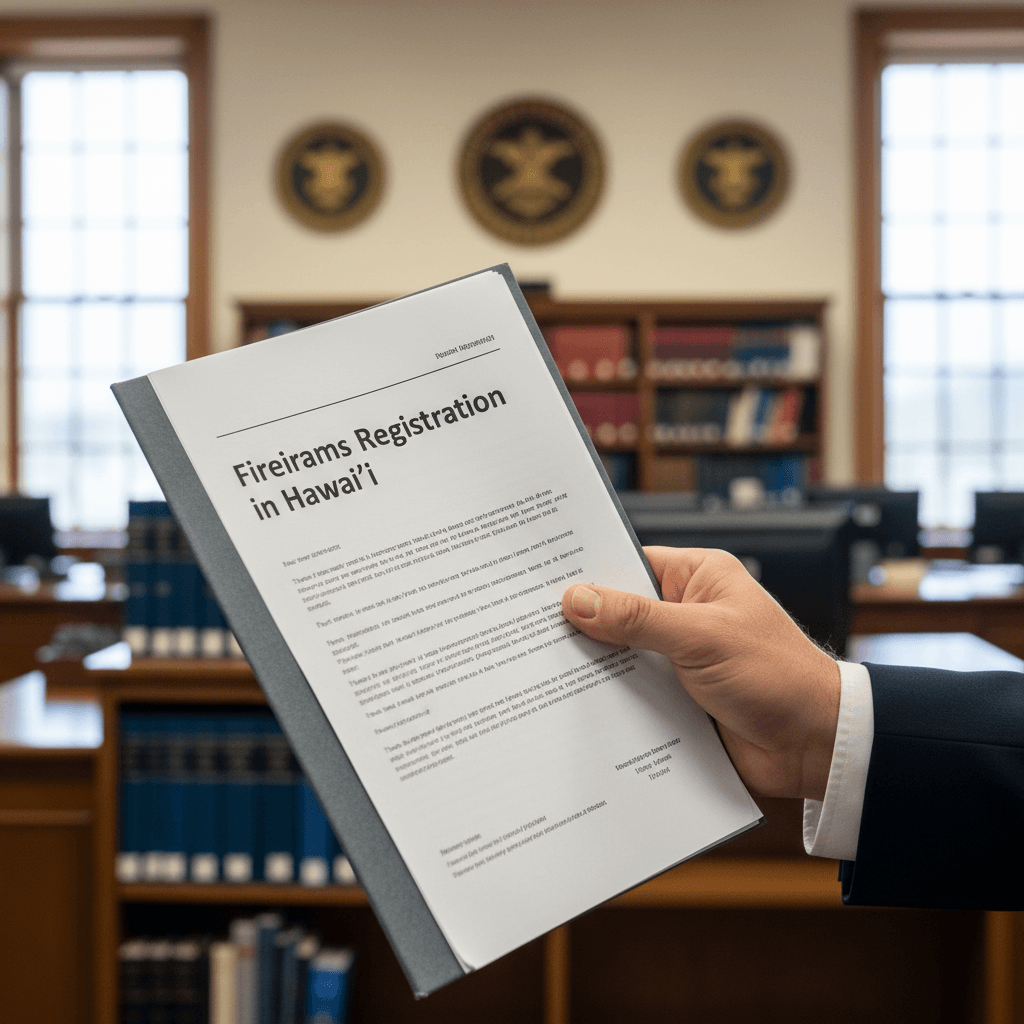
In Hawaii, medical cannabis patient status was the leading reason for firearms permit application denials last year, according to the state Attorney General’s office. The annual “Firearms Registration in Hawai’i” report, published last month, indicated that 28.8 percent of all rejected applications were attributed to an applicant’s status as a medical cannabis patient. This finding underscores ongoing challenges for individuals seeking to exercise gun rights while participating in state-legal medical cannabis programs.
Analysis of Hawaii’s Denial Data
The report detailed that out of 163 firearms permit applications rejected in 2025, 47 were denied due to medical cannabis. This figure surpassed denials related to mental health issues, domestic violence, or other criminal offenses. An additional 13 applications, representing 8 percent of all rejections, were attributed to other drug offenses. The category of applicants rejected for medical cannabis included both current and some former patients, as police departments in Hawaii permit former patients to apply for firearm permits no less than one year after their medical marijuana card expires, as stated in the Marijuana Moment report on the Attorney General’s findings. This trend is consistent with prior years; for example, the Attorney General’s office reported that medical cannabis accounted for 41 percent of rejections in 2023.
Federal Developments Impacting Medical Cannabis Gun Rights
The Hawaii data emerges amidst several federal policy discussions concerning gun rights for cannabis consumers. The Bureau of Alcohol, Tobacco, Firearms and Explosives (ATF) recently posted a proposed revised version of Form 4473, the Firearms Transaction Record required for gun purchases from federally licensed dealers. This revision is intended to acknowledge the federally legal status of medical marijuana following the Trump administration’s recent move to reschedule the drug, as previously reported by Hemp Gazette in our coverage of ATF Form 4473 revisions.
Concurrently, Acting Attorney General Todd Blanche suggested last month that the Trump administration might cease its aggressive defense of 922(g)(3), the federal law that criminalizes gun possession by individuals who consume marijuana and other illegal drugs. However, the Trump administration argued before the U.S. Supreme Court in March that the federal prohibition against cannabis consumers owning guns is constitutional under the Second Amendment. Subsequently, Solicitor General D. John Sauer informed the justices via letter that the administration’s rescheduling of marijuana should not influence their decision in the case, U.S. vs. Hemani.
Hawaii’s Legislative Landscape
Beyond firearms policy, Hawaii’s legislative session saw various cannabis-related measures advance or stall:
- Legislation to legalize recreational marijuana did not progress through required steps this session.
- A separate bill for marijuana legalization, contingent on federal law changes or state constitutional amendments, was deferred.
- Measures to permit the sale of certain hemp-derived cannabinoid products were also deferred by both Senate and House panels.
- The Hawaii Senate passed resolutions urging Congress to federally legalize marijuana, support state efforts for conviction record expungement, and facilitate banking access for cannabis businesses.
- The Senate Health and Human Services Committee adopted resolutions requesting the state attorney general and health department to seek an exemption from the Drug Enforcement Administration (DEA) for Hawaii’s medical cannabis program, aiming to operate without federal interference.
- Legislation to allow patients immediate access to medical cannabis upon registration submission, rather than waiting for card delivery, advanced.
- A bill to allow qualifying patients to access medical marijuana at health facilities also moved forward but did not pass before the session adjourned.
Disclaimer: This article is for informational purposes only and does not constitute medical advice. Hemp Gazette does not provide medical recommendations, diagnoses, or treatment plans. Always consult a qualified healthcare practitioner before making any decisions regarding your health or any medical condition. Statements concerning the therapeutic uses of hemp, cannabis, or cannabinoid-derived products have not been evaluated by Australia’s Therapeutic Goods Administration (TGA). Medicinal cannabis products in Australia are accessed via prescription pathways under TGA regulation.