
The evolving landscape of industrial hemp policy, market development, and cannabinoid regulation was a central theme in a recent discussion featuring Kehrt Reyher, CEO and publisher of HempToday. Speaking on the Lancaster Farming Industrial Hemp Podcast, Reyher, a journalist with over three decades of international experience, provided an analytical perspective on the industry’s trajectory, emphasizing the distinction between industrial applications and intoxicating hemp-derived products.
Policy and Regulatory Frameworks
A significant point of discussion centered on legislative efforts to clarify the legal status of hemp-derived products. Reyher addressed the proposed Lawful Hemp Protection Act, introduced by Kentucky Congressman Andy Barr. This bill aims to regulate synthetic intoxicating hemp products while preserving a legal pathway for cannabidiol (CBD) products. According to a HempToday report, the legislation seeks to address the market proliferation of unregulated intoxicating cannabinoids that have, in Reyher’s view, caused damage to the broader hemp industry and distracted policymakers from the original intent of the 2018 Farm Bill.
The conversation also touched upon the future of CBD regulation in both the United States and Europe. Reyher highlighted the ongoing challenge of defining “true hemp,” which he characterizes as focusing on fiber, food, and industrial systems rather than cannabinoid-centric products. He noted that Australia and New Zealand have implemented “more practical hemp policies” compared to some other regions, particularly concerning the integration of hemp into agricultural and manufacturing sectors.
Industrial Hemp Applications and Market Development
The discussion extended to the diverse applications of industrial hemp beyond cannabinoids. Reyher emphasized the potential of hemp in construction materials, including hempcrete, prefabricated building systems, and hemp-based bricks. He underscored the necessity for hemp to find its place within the larger natural fiber and bio-based building material markets, competing alongside materials like flax and jute.
Key areas for market development include:
- Construction Materials: Utilizing hemp for building solutions.
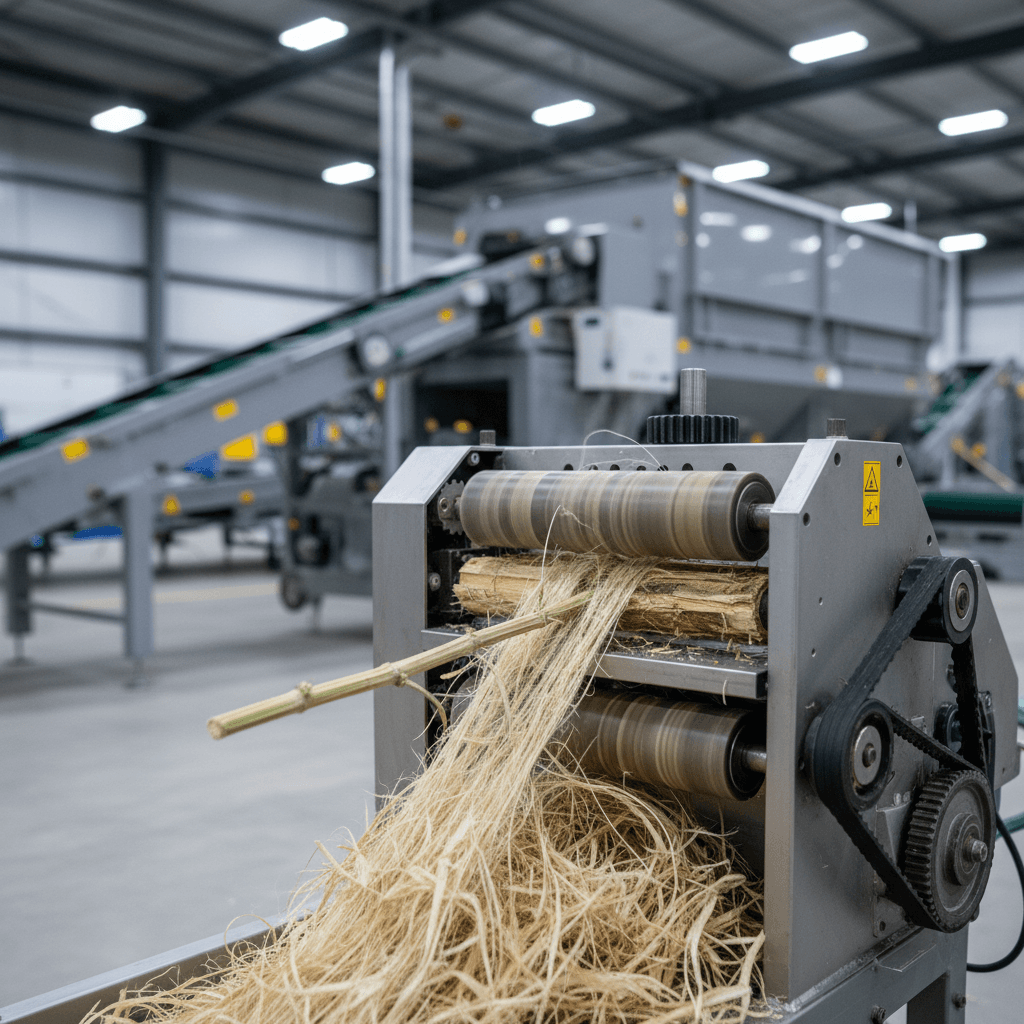
- Micro-Decortication: Developing smaller-scale, modular processing systems to support localized industrial hemp economies.
- Agricultural Integration: Expanding the use of hemp fiber and grain in animal feed and other agricultural products.
Reyher articulated that the long-term success of the industrial hemp economy depends on building robust infrastructure for processing and manufacturing, moving beyond a primary focus on cannabinoid extraction.
European Market and Research Initiatives
The European industrial hemp sector was also a focus, with particular attention given to the upcoming European Industrial Hemp Association (EIHA) conference in Poznań, Poland. This event, hosted at the historic Institute of Natural Fibres and Medicinal Plants (IWNiRZ), will convene stakeholders to discuss advancements in bio-based materials and industrial hemp development. The EIHA Conference serves as a platform for policy discussions, market trend analysis, and showcasing innovations within the European hemp industry.
Reyher’s insights underscored Europe’s continued support for bio-based materials and industrial hemp development, positioning the continent as a significant player in fostering a comprehensive hemp economy. The conversation highlighted the need for sustained efforts in journalism, policy, construction, and agriculture to realize the full economic potential of industrial hemp as a serious agricultural and manufacturing sector.
Disclaimer: This article is for informational purposes only and does not constitute medical advice. Hemp Gazette does not provide medical recommendations, diagnoses, or treatment plans. Always consult a qualified healthcare practitioner before making any decisions regarding your health or any medical condition. Statements concerning the therapeutic uses of hemp, cannabis, or cannabinoid-derived products have not been evaluated by Australia’s Therapeutic Goods Administration (TGA). Medicinal cannabis products in Australia are accessed via prescription pathways under TGA regulation.