
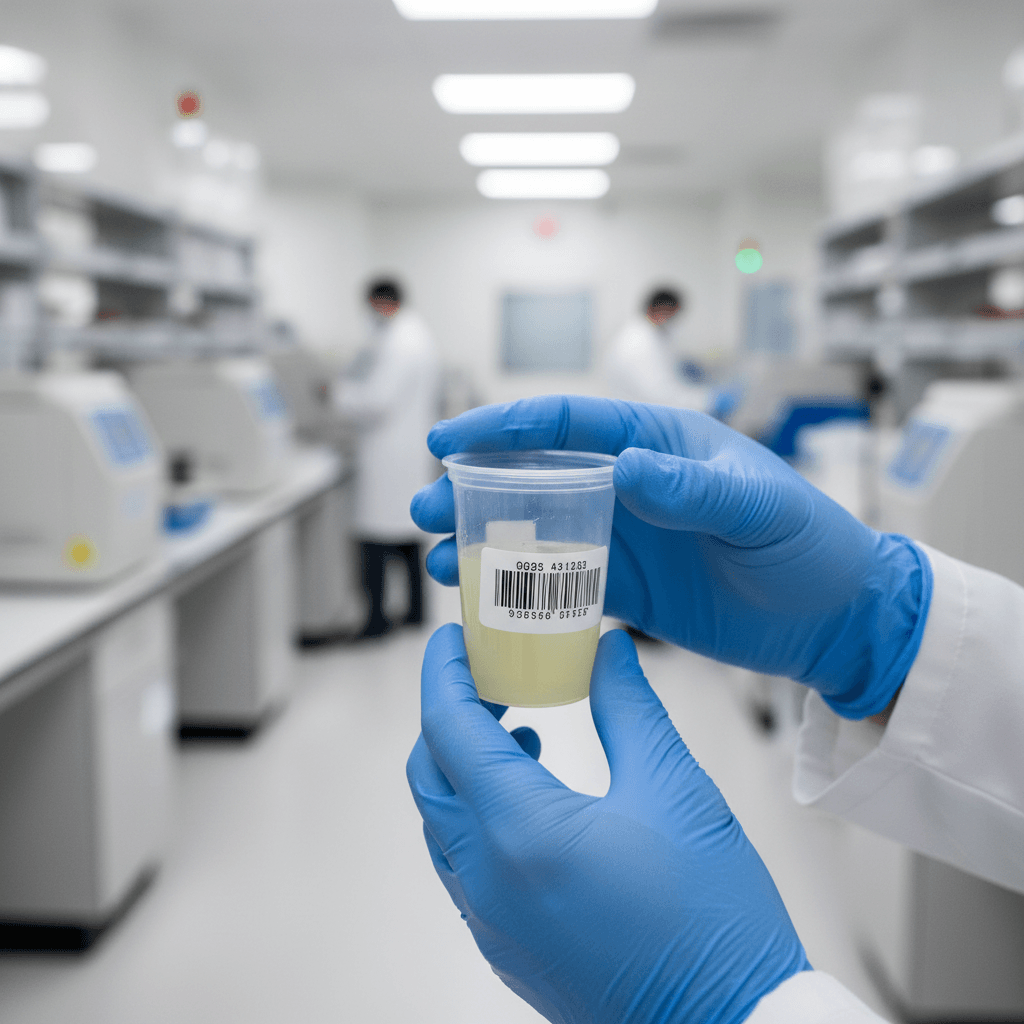
The U.S. Department of Transportation (DOT) has issued a clarification to its drug and alcohol testing procedures, mandating “directly observed” urine drug testing in federal workplace situations where oral fluid testing has been designated but is not yet feasible. This update, published in the Federal Register on May 11, 2024, and effective June 10, 2024, impacts safety-sensitive workers across various sectors, including commercial trucking, aviation, rail, public transit, and pipelines, who are subject to federal drug testing protocols.
The DOT’s Updated Federal Drug Testing Protocol
The new DOT rule specifies that if an employer has chosen oral fluid testing as an alternative to urine testing, but no laboratories are currently certified by the Food and Drug Administration (FDA) to process such tests, then a directly observed urine collection must be performed. This requirement aims to address concerns about test integrity, particularly regarding substituted urine specimens, which Quest Diagnostics reported increased by 370 percent from 2022 to 2023, according to a report by Marijuana Moment.
Additionally, the rule updates terminology, replacing the word “gender” with “sex” in accordance with President Donald Trump’s January 2025 executive order, “Defending Women from Gender Ideology Extremism and Restoring Biological Truth to the Federal Government.”
The Push for Oral Fluid Testing
The trucking industry, represented by the American Trucking Association (ATA), has been a primary advocate for the widespread implementation of oral fluid testing. The ATA suggests that this method may help maintain safety standards by detecting recent drug use.
- Regulatory Approvals: The Substance Abuse and Mental Health Services Administration (SAMHSA) approved lab-based oral fluid testing in 2019, and the DOT finalized its own regulations authorizing employers to use it as an alternative to urine testing in 2023.
- Implementation Barrier: Despite these approvals, actual implementation has been stalled because it requires at least two FDA-approved laboratories—one for initial analysis and another for confirmation. Currently, there are no such certified laboratories.
- Addressing Paruresis: Oral fluid testing is also favored for its potential to mitigate issues related to paruresis, or “shy bladder” syndrome. Under current urine testing protocols, an inability to produce a sample within a three-hour waiting period is considered a refusal, leading to removal from duties and requiring a directly observed test for return. Dr. Steven Soifer, co-founder of the International Paruresis Association, noted in March that the lack of certified oral fluid testing creates “anxiety, discrimination, and career barriers” for affected federal workers.
Industry Advocacy and Regulatory Hurdles
The absence of FDA-certified laboratories for oral fluid testing has prompted Congressional intervention. In April, six members of Congress, at the request of the ATA, wrote to Department of Health and Human Services Secretary Robert F. Kennedy Jr., citing FDA regulatory barriers as the reason for the lack of certified United States laboratories. Quest Diagnostics, which offers a lab-based oral fluid collection method, has actively supported the campaign for broader oral fluid testing adoption.
On May 1, the FDA published a notice of its intent to consider revising requirements pertaining to toxicology testing. That same day, SAMHSA published a list of currently certified laboratories, which confirmed the ongoing absence of facilities approved for oral fluid testing. The resolution of oral fluid testing guidelines by the Department of Health and Human Services is expected to influence future developments in hair follicle testing, for which the department was directed to create guidelines in 2015 but has not yet done so.
Disclaimer: This article is for informational purposes only and does not constitute medical advice. Hemp Gazette does not provide medical recommendations, diagnoses, or treatment plans. Always consult a qualified healthcare practitioner before making any decisions regarding your health or any medical condition. Statements concerning the therapeutic uses of hemp, cannabis, or cannabinoid-derived products have not been evaluated by Australia’s Therapeutic Goods Administration (TGA). Medicinal cannabis products in Australia are accessed via prescription pathways under TGA regulation.