
Delaware Enacts New Medical Cannabis Use in Hospitals Legislation
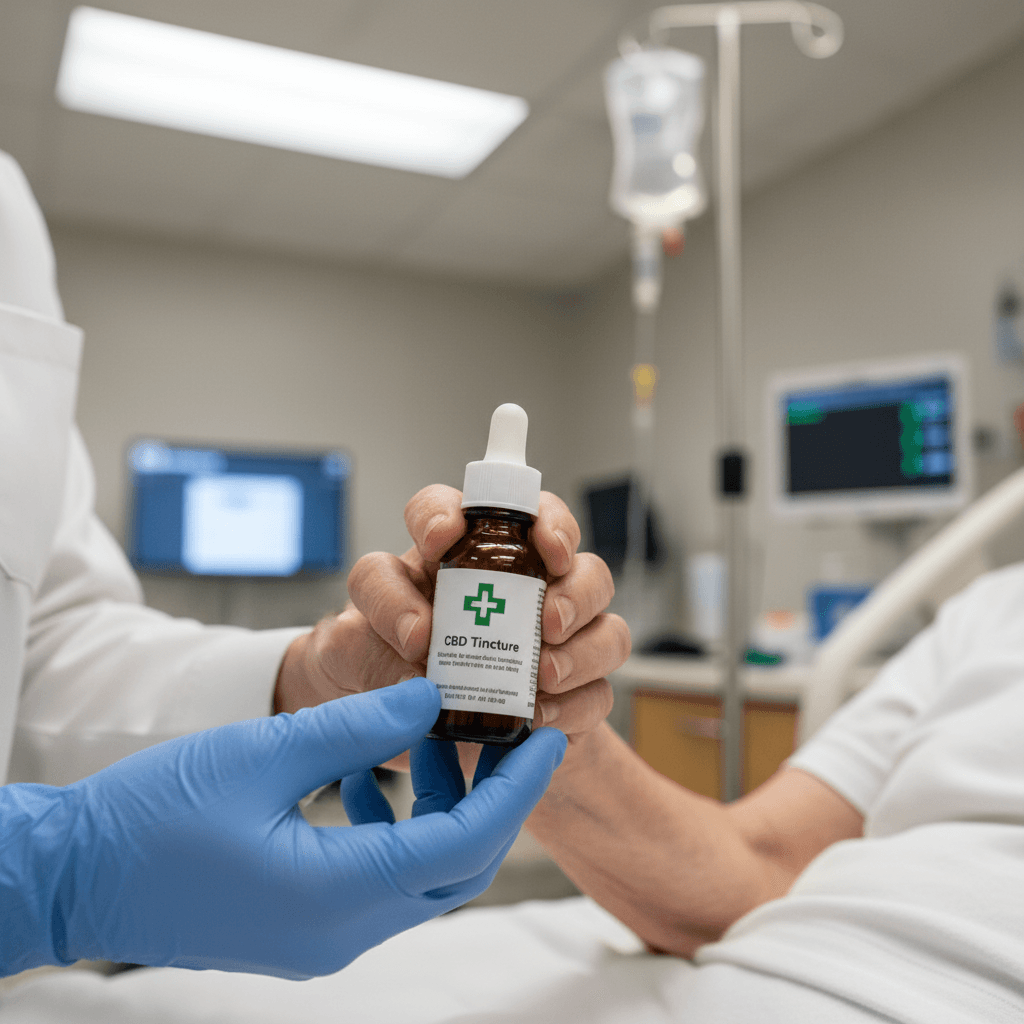
Delaware Governor Matt Meyer (D) has signed Senate Bill 226 (SB 226) into law, permitting terminally ill patients to engage in medical cannabis use in hospitals and other healthcare facilities. The legislation, sponsored by Senator Marie Pinkney (D), received unanimous approval from both the Delaware Senate and House of Representatives before its enactment, as reported by Marijuana Moment.
This reform is scheduled to take effect one year after its signing. It establishes specific guidelines for medical cannabis use within healthcare settings, aiming to balance patient access with facility operational requirements and federal regulations.
Provisions and Responsibilities Under SB 226
The newly enacted law outlines several key provisions for the medical cannabis use in hospitals:
- Patient and Caregiver Responsibility: Patients and their designated caregivers will be responsible for both acquiring and administering medical cannabis.
- Secure Storage: All medical cannabis products must be stored securely in a locked container at all times within the healthcare facility.
- Prohibited Methods: Smoking or vaping of medical cannabis is explicitly prohibited. Patients must use alternative consumption methods.
- Verification and Documentation: Healthcare facility officials are required to verify patients’ state medical marijuana registry ID cards and document the use of medical cannabis in their medical records.
- Policy Development: Facilities must develop and disseminate written policies and procedures specifically for the use of medical cannabis within their premises.
The legislation also grants healthcare facilities the authority to prohibit medical cannabis use if they determine it would have an “adverse impact on the medical care and treatment of the patient or is otherwise contraindicated.” Furthermore, facilities can suspend permission for cannabis use if a federal agency, such as the U.S. Department of Justice or Centers for Medicare and Medicaid Services, takes enforcement action or issues guidance that expressly prohibits such use. The right to use medical cannabis under SB 226 does not extend to patients in the emergency department.
Broader Delaware Cannabis Policy Developments
The signing of SB 226 occurs amidst a period of active legislative and market development within Delaware’s cannabis sector. As previously reported by Hemp Gazette, the state has been advancing its medical cannabis program and establishing an adult-use market.
Beyond the medical cannabis use in hospitals bill, Delaware lawmakers are addressing several other policy areas:
- Zoning Restrictions: The Senate voted in January to override Governor Meyer’s veto of a bill designed to prevent local governments from imposing restrictive zoning regulations on cannabis businesses. The House has yet to consider an override vote.
- Hemp-Derived THC Products: Lawmakers are currently considering multiple bills aimed at regulating hemp-derived THC products, reflecting an ongoing effort to define and control this segment of the market.
- Adult-Use Market Launch: Delaware’s adult-use cannabis market commenced operations in August, with Governor John Carney (D) noting nearly $1 million in combined medical and recreational sales during its initial weekend. This launch followed the enactment of marijuana legalization under former Governor Carney approximately two years prior.
- Public Consumption: A Delaware House committee in January approved a bill to decriminalize public consumption of marijuana, addressing current penalties that can include jail time in addition to fines.
These legislative activities collectively illustrate Delaware’s evolving approach to cannabis regulation, encompassing both medical access and broader market frameworks.
Implementation and Industry Outlook
The one-year implementation period for SB 226 provides healthcare facilities with time to establish the necessary policies and procedures for integrating medical cannabis use within their operational frameworks. This period will be critical for ensuring compliance and clarity for both patients and medical staff regarding the new regulations governing medical cannabis use in hospitals.
Disclaimer: This article is for informational purposes only and does not constitute medical advice. Hemp Gazette does not provide medical recommendations, diagnoses, or treatment plans. Always consult a qualified healthcare practitioner before making any decisions regarding your health or any medical condition. Statements concerning the therapeutic uses of hemp, cannabis, or cannabinoid-derived products have not been evaluated by Australia’s Therapeutic Goods Administration (TGA). Medicinal cannabis products in Australia are accessed via prescription pathways under TGA regulation.