
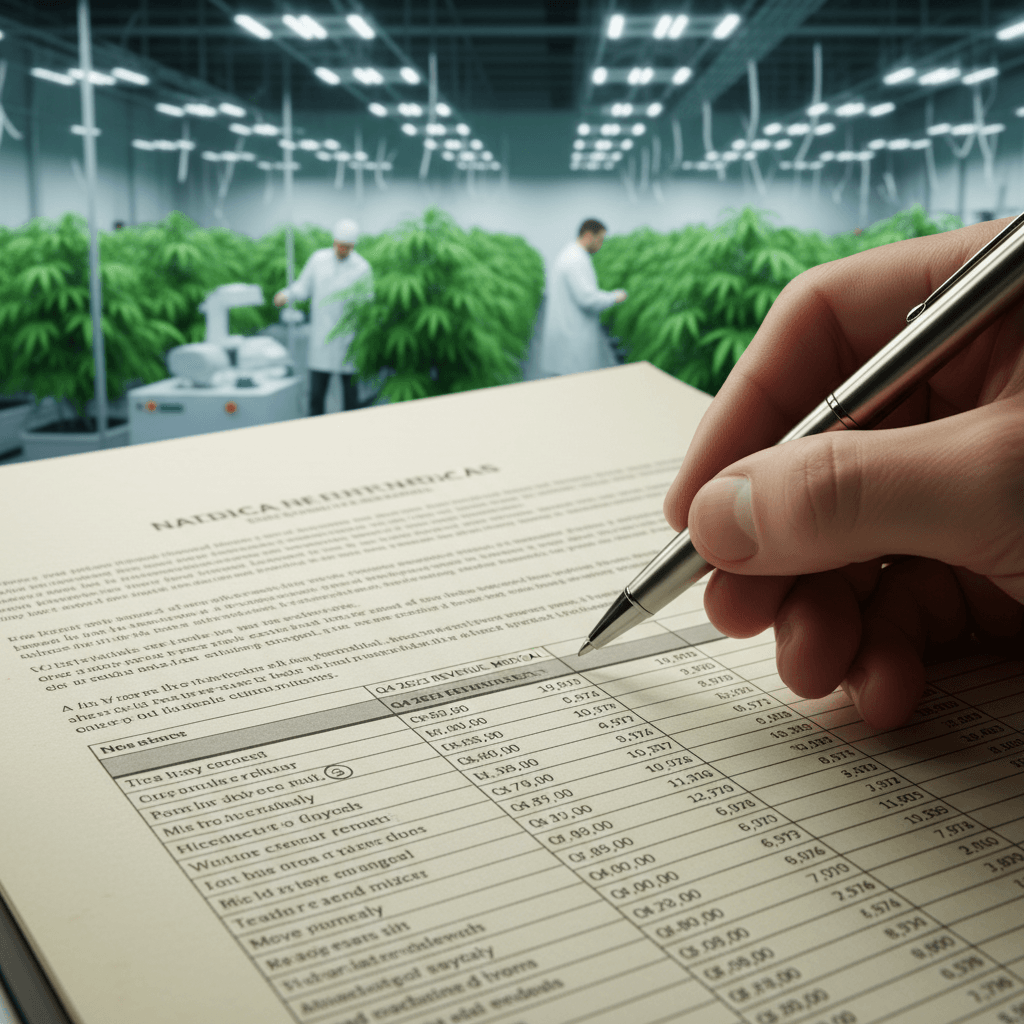
The increasing complexity of the cannabis market underscores the critical need for robust, defensible cannabis pricing data, particularly in legal and business contexts. As the industry matures, disputes related to valuation, market manipulation, and contractual agreements are becoming more frequent, necessitating independent and verifiable data to establish market realities.
The importance of such data for litigation and market analysis was highlighted in a sponsored post by MJBizDaily, which emphasized its role in eliminating uncertainty, validating claims, and anchoring legal cases in independent market reality. This perspective is particularly relevant for investors, operators, and legal professionals who require objective metrics to navigate the evolving regulatory and commercial landscape.
The Role of Cannabis Pricing Data in Legal Disputes
Reliable cannabis pricing data serves as a foundational element in various types of legal proceedings. Without independent verification of market prices, claims related to financial damages, business valuations, or alleged anti-competitive practices can be difficult to substantiate or refute. For instance, in cases involving allegations of price fixing, such as the Missouri cannabis price fixing lawsuit previously reported by Hemp Gazette, objective pricing data is essential to assess the validity of claims and determine the extent of any market distortion. This data can include:
- Wholesale prices for various product forms (flower, oils, concentrates)
- Retail prices across different jurisdictions and sales channels
- Historical pricing trends over specific periods
- Cost of goods sold and profit margins
The absence of such data can lead to protracted legal battles and uncertain outcomes, increasing costs and risks for all parties involved. Independent data provides a common ground for assessment, allowing courts and arbitrators to make informed decisions based on verifiable market conditions rather than speculative claims.
Challenges in Data Collection and Application
Despite its critical importance, collecting and applying defensible cannabis pricing data presents several challenges. The fragmented nature of the global cannabis market, with varying regulatory frameworks across states and countries, creates inconsistencies in data availability and reporting standards. Additionally, the rapid evolution of product types, cultivation methods, and supply chain dynamics can make historical data quickly outdated.
Furthermore, the lingering influence of illicit markets in some regions can distort official pricing metrics, making it difficult to ascertain true market value. Companies and legal teams often need to engage specialized data providers or consultants who possess the expertise to gather, analyze, and present this complex information in a legally sound manner. The goal is to ensure that the data used in litigation is not only accurate but also robust enough to withstand rigorous scrutiny from opposing counsel and expert witnesses.
Implications for Operators and Investors
For cannabis operators, understanding and leveraging accurate pricing data extends beyond litigation preparedness. It informs strategic business decisions, including product development, market entry, and supply chain management. Companies with access to superior data can better forecast demand, optimize pricing strategies, and identify market inefficiencies. This is particularly relevant in periods of market consolidation or expansion, where accurate valuations are paramount for mergers, acquisitions, and capital raises.
Investors, too, rely on transparent and verifiable pricing data to assess the financial health and growth potential of cannabis companies. The ability to benchmark performance against industry averages and identify market trends through independent data sources provides a clearer picture of investment risks and opportunities. As the cannabis sector continues to mature, the demand for sophisticated and defensible cannabis pricing data will likely increase, becoming an indispensable tool for maintaining market integrity and facilitating informed decision-making across the industry.
Disclaimer: This article is for informational purposes only and does not constitute medical advice. Hemp Gazette does not provide medical recommendations, diagnoses, or treatment plans. Always consult a qualified healthcare practitioner before making any decisions regarding your health or any medical condition. Statements concerning the therapeutic uses of hemp, cannabis, or cannabinoid-derived products have not been evaluated by Australia’s Therapeutic Goods Administration (TGA). Medicinal cannabis products in Australia are accessed via prescription pathways under TGA regulation.