
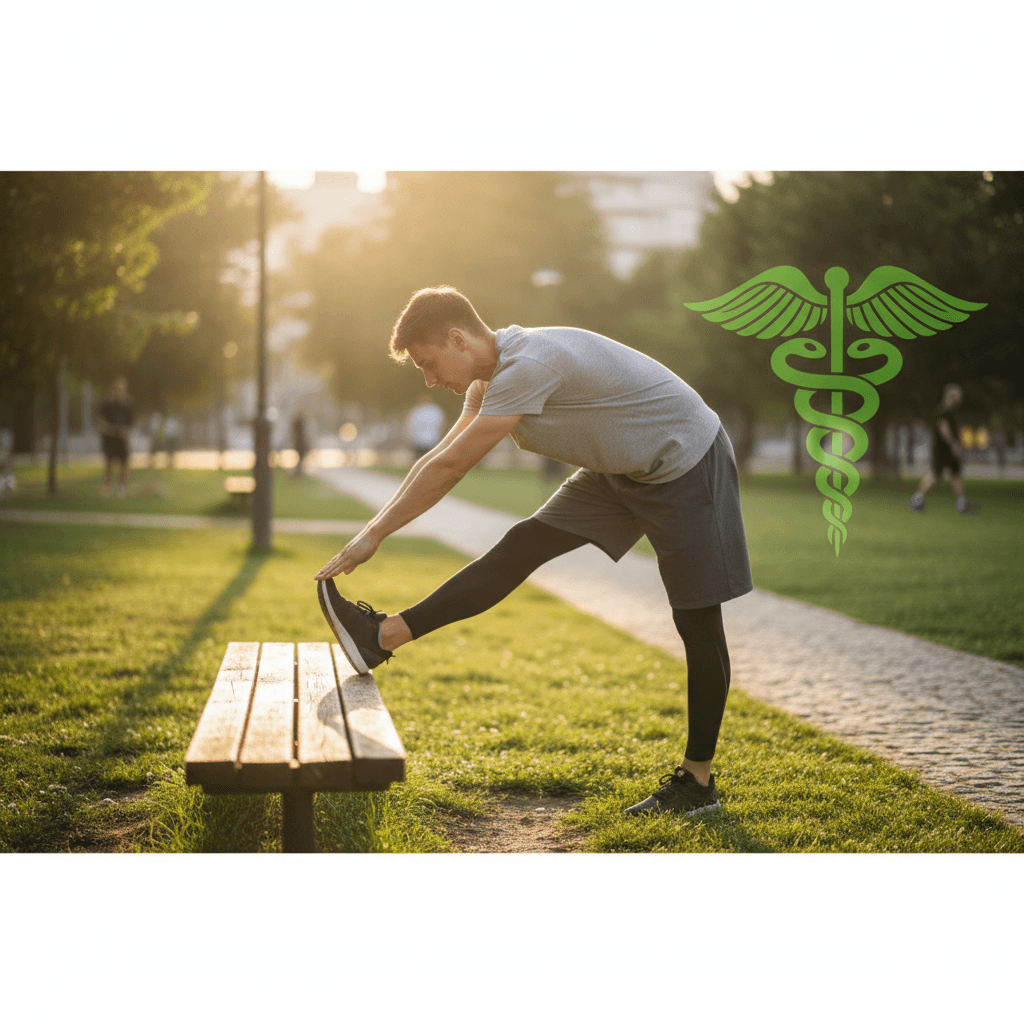
Recent research is contributing to a more nuanced understanding of the relationship between cannabis use and physical activity, challenging longstanding stereotypes. A new study from the University of Alabama at Birmingham’s Heersink School of Medicine suggests that individuals who use cannabis are not necessarily less physically active than non-users. Instead, the findings indicate a tendency to favour light or moderate exercise, pointing to a potential influence of cannabis on the subjective experience of physical activity.
Cannabis Use and Exercise Preferences
The cross-sectional analysis of survey data, as reported by Marijuana Moment, found that cannabis use was not consistently associated with an overall increase or decrease in total physical activity levels. However, the data did reveal variability among individuals. Researchers noted that the endocannabinoid system, which regulates mood, motivation, and motor function, may influence both the experience and performance of physical activity.
Participants who reported non-medical cannabis use tended to prefer activities such as walking and recreational sports over more vigorous exercise like heavy aerobics. The study authors concluded that these findings “support the idea that cannabis may influence the subjective experience of exercise, such as enjoyment or discomfort, rather than directly enhancing physical performance.”
Broader Research on Cannabis and Activity
These findings build on earlier discussions, as previously reported by Hemp Gazette, regarding the complex relationship between cannabis use and physical activity. Other studies have also explored this area:
- A 2024 study indicated that young to midlife adults were neither more sedentary nor more intensely active after consuming cannabis, with recent use even associated with a marginal increase in light exercise. The authors of that paper stated, “Our findings provide evidence against existing concerns that cannabis use independently promotes sedentary behavior and decreases physical activity.”
- A separate study published in 2023 linked cannabis use to an enhanced “runner’s high” and participants reported experiencing less pain during exercise. Participants reported “less negative affect, greater feelings of positive affect, tranquility, enjoyment, and dissociation, and more runner’s high symptoms during their cannabis (vs. non-cannabis) runs.”
- In 2021, researchers observed that frequent cannabis consumers were more likely to be physically active compared to their non-using counterparts.
- Another study from 2019 suggested that individuals who use cannabis to enhance their workouts tend to achieve healthier amounts of exercise, noting that consumption before or after exercise may improve the experience and be associated with perceived benefits for recovery.
Cannabis and Weight Management
Beyond physical activity, related research has also challenged stereotypes concerning cannabis use and weight. A federally funded study indicated that cannabis use was associated with observations of weight loss and a lower prevalence of diabetes. Furthermore:
- A study released last year on the use of specific cannabis components found that a combination of the cannabinoids THCV and CBD was associated with statistically significant weight loss, and participants in the study were observed to have a slimmer waistline, lower blood pressure, and decreased cholesterol.
- A separate 2024 study reported that regular cannabis users were less likely to be obese than non-users. This analysis showed a “dose-response relationship between marijuana use and [body mass index], with the lower the BMI classification, the higher marijuana use.” The study indicated that individuals who had used cannabis within the past month were 31 percent less likely to be obese than non-users, with daily users being 32 percent less likely.
- Additional research from 2020 found that older adult cannabis users had a lower body mass index at the beginning of an exercise intervention study, engaged in more weekly exercise days during the intervention, and were involved in more exercise-related activities at the conclusion of the intervention, compared to older adult non-users.
These collective findings suggest a more complex and potentially beneficial relationship between medicinal cannabis use and aspects of physical health than previously assumed. Researchers from the University of Alabama at Birmingham recommend that future research incorporate objective measures, such as wearable activity trackers, and use longitudinal or experimental designs to better understand causal relationships and the effects of different patterns of cannabis use.
Disclaimer: This article is for informational purposes only and does not constitute medical advice. Hemp Gazette does not provide medical recommendations, diagnoses, or treatment plans. Always consult a qualified healthcare practitioner before making any decisions regarding your health or any medical condition. Statements concerning the therapeutic uses of hemp, cannabis, or cannabinoid-derived products have not been evaluated by Australia’s Therapeutic Goods Administration (TGA). Medicinal cannabis products in Australia are accessed via prescription pathways under TGA regulation.