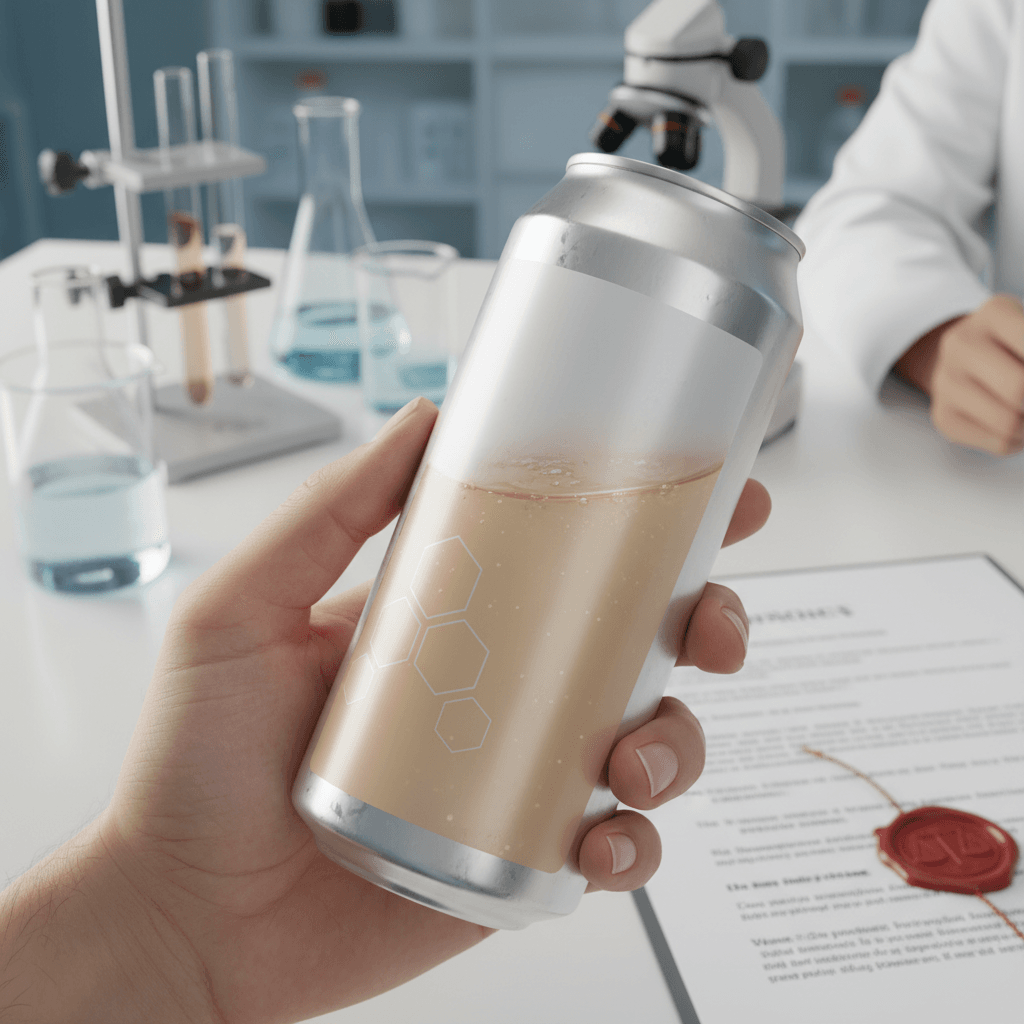
The cannabis beverage sector, a rapidly expanding segment within the broader hemp and cannabis marketplace, is facing increasing regulatory scrutiny due to a widespread lack of independent product validation. This issue poses a structural vulnerability for the industry, particularly as federal hemp policy and state-level frameworks continue to evolve.
According to an op-ed published by Marijuana Moment, the primary challenge is not that products are ineffective, but rather that most operators cannot substantiate their product claims with verifiable data. Industry estimates suggest that fewer than five percent of cannabis beverage manufacturers invest in independent product validation, relying instead on internal testing and anecdotal consumer feedback.
The Data Deficit in Cannabis Beverage Validation
Marketing materials for cannabis and hemp beverage brands frequently highlight attributes such as fast onset, consistent effects, harm reduction benefits, and mood support. While these characteristics may be present in well-formulated products, they are often unsubstantiated by independent research.
- Retailer Decisions: Without independent evidence, retailers lack objective criteria to differentiate between products when making shelf allocation decisions.
- Legislative Frameworks: Legislators drafting hemp THC regulations lack data to inform nuanced policy, potentially leading to broad, precautionary restrictions that do not distinguish between validated and unverified products.
- Consumer Information: Consumers, including those new to the category, those reducing alcohol consumption, or individuals managing chronic conditions, make purchasing decisions based on claims that have not been independently verified.
This absence of industry-generated data invites regulatory responses based on a lack of information, rather than on a comprehensive understanding of product performance.
Emerging Research and Performance Variability
Recent real-world research initiatives are beginning to address this data gap. The MoreBetter Real-World Infused Beverage Study, for instance, has yielded initial findings that indicate measurable reductions in daily alcohol use among participants, with a majority reporting infused beverages felt safer than alcohol. Nearly half of participants in the study reported trying an infused beverage for the first time.
Beyond these aggregate findings, the MoreBetter dataset, which includes over 5,000 participants and 20 brands across multiple cohorts, has begun to illustrate significant variability at the product level. Data indicate that onset time, taste, duration, and consistency can differ measurably between various THC beverage products. This research provides a dataset large enough to document these differences, offering clarity for operators who have invested in formulation quality and bioavailability, while posing a challenge for those who have relied solely on marketing claims.
Policy Implications and Industry Accountability
Leah Kollross, founder of 23rd State and a member of the National Cannabis Industry Association’s Human Resources Committee, emphasized in the Marijuana Moment op-ed that the consistent challenge for hemp-derived beverage operators is the scarcity of meaningful independent evidence for regulators. In the absence of such data, regulators tend to default to precautionary frameworks, which can result in blunt restrictions that treat all products similarly, regardless of their formulation quality or validation status.
Kollross advocates for industry participation in legitimate independent research studies, framing it not as a marketing expense but as an investment in the long-term regulatory environment. Every brand that contributes to a shared evidentiary base helps to build credibility for the entire category. Conversely, brands that do not participate risk free-riding on the efforts of others, thereby weakening the overall data picture available to policymakers.
For the cannabis beverage sector to secure a durable position within established regulatory frameworks, demonstrating consistent product performance through measurable and independently verified data is becoming increasingly necessary. This standard requires investment, transparency, and a willingness to allow data to inform product narratives rather than marketing copy. The opportunity to establish this foundation is currently available, but it is not expected to remain open indefinitely.
Disclaimer: This article is for informational purposes only and does not constitute medical advice. Hemp Gazette does not provide medical recommendations, diagnoses, or treatment plans. Always consult a qualified healthcare practitioner before making any decisions regarding your health or any medical condition. Statements concerning the therapeutic uses of hemp, cannabis, or cannabinoid-derived products have not been evaluated by Australia’s Therapeutic Goods Administration (TGA). Medicinal cannabis products in Australia are accessed via prescription pathways under TGA regulation.