
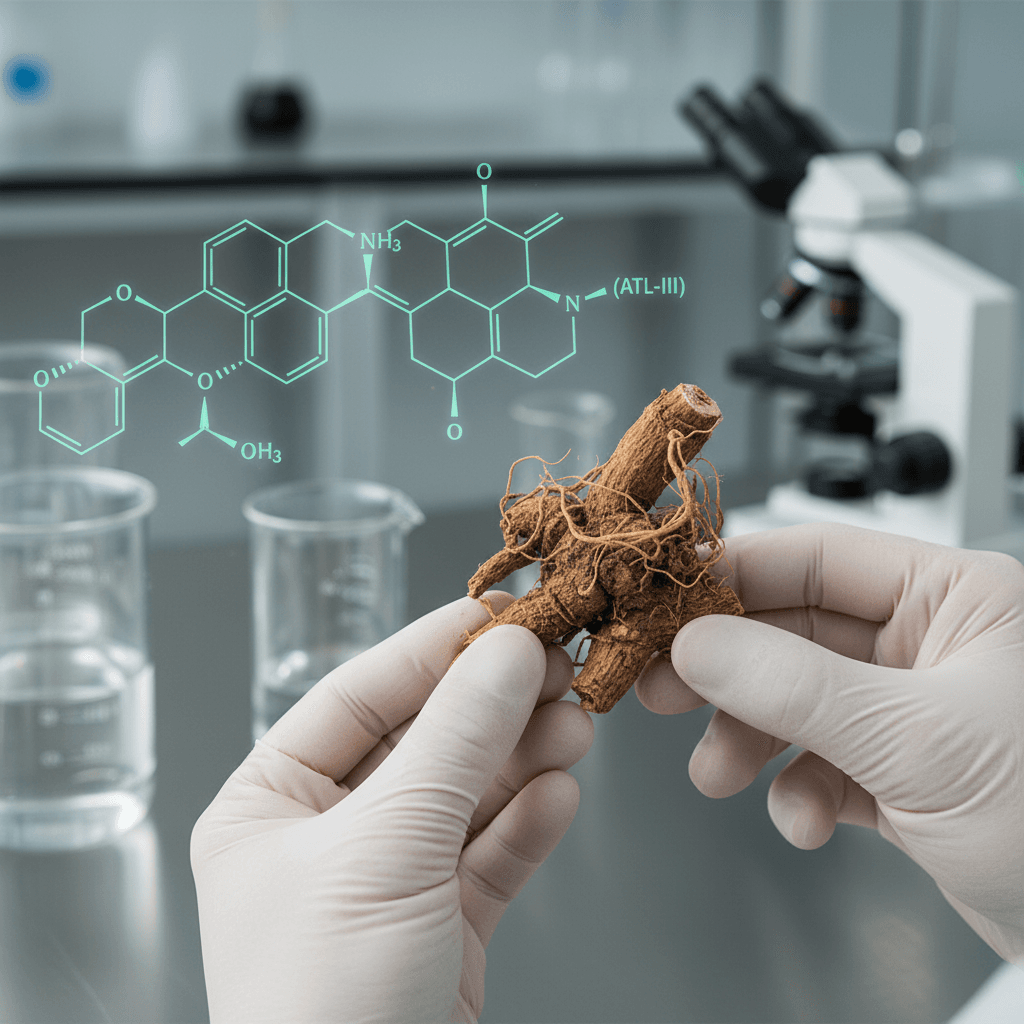
A recent review published in Frontiers in Pharmacology has synthesised current research on Atractylenolide III (ATL-III), a compound isolated from the traditional Chinese herb Atractylodes macrocephala Koidz., highlighting its potential for Atractylenolide III neuroprotection in central nervous system disorders (CNSDs). CNSDs, which include conditions like dementia, cerebrovascular diseases, and psychological disorders, represent a significant global health challenge with limited treatment options.
The review, which systematically examined literature published between January 2016 and December 2025, focused on the therapeutic effects and underlying mechanisms of ATL-III. Researchers noted that natural compounds from traditional herbs are increasingly recognised as valuable resources for discovering novel neuroprotective agents.
Understanding Atractylenolide III and its Source
Atractylenolide III is a sesquiterpene lactone derived from Atractylodes macrocephala Koidz., known in Traditional Chinese Medicine (TCM) as Baizhu. This herb has been traditionally used to fortify the spleen and address digestive disorders.
TCM theory suggests that regulating spleen and stomach function can indirectly support kidney essence and brain marrow, a concept relevant to CNSD prevention and treatment.
A key characteristic of ATL-III that makes it a candidate for CNSD research is its ability to cross the blood-brain barrier (BBB), a critical physiological barrier that often limits the effectiveness of many therapeutic agents for brain-related conditions.
Preclinical Evidence and Multi-Target Mechanisms
The comprehensive review included 21 preclinical studies, comprising both in vivo and in vitro investigations. It is important to note that no clinical studies were included in this particular review. The compiled evidence from these preclinical models suggests that ATL-III may offer neuroprotective effects in various CNSDs, including:
- Cognitive impairment
- Cerebral ischemia/reperfusion injury
- Depressive disorder
- Spinal cord injury
The researchers identified that ATL-III’s neuroprotective actions appear to be multifaceted, involving several biological pathways. These multi-target mechanisms include:
- Enhancement of neurotransmitter storage
- Reduction of neurotoxic protein accumulation
- Exerting anti-apoptotic effects, which help prevent cell death
- Demonstrating anti-inflammatory properties
- Acting as an antioxidant, combating oxidative stress
- Regulating autophagy, a cellular process for recycling damaged components
- Contributing to blood-brain barrier repair
This broad spectrum of effects underscores the compound’s potential for Atractylenolide III neuroprotection across different aspects of CNS pathology.
Future Directions for Clinical Translation
While preclinical findings are encouraging, the authors of the review emphasised that significant work remains before ATL-III’s therapeutic potential can be realised in clinical settings. Key future efforts should include:
- Clinical Trials: Conducting definitive clinical trials is essential to establish the efficacy and safety profile of ATL-III in human patients.
- Pharmacological and Toxicological Elucidation: A comprehensive understanding of its pharmacological properties, including how it interacts with biological systems, and its toxicological profile is necessary.
- Novel Delivery Strategies: Developing advanced delivery methods could enhance its bioavailability, improve its penetration across the blood-brain barrier, and ensure better retention within the brain.
The review concludes that ATL-III shows promise as a therapeutic candidate for CNSDs due to its broad neuroprotective effects and multi-target mechanisms. However, these findings are currently limited to preclinical models, and further rigorous research is required to explore its potential for patient care.
Disclaimer: This article is for informational purposes only and does not constitute medical advice. Hemp Gazette does not provide medical recommendations, diagnoses, or treatment plans. Always consult a qualified healthcare practitioner before making any decisions regarding your health or any medical condition. Statements concerning the therapeutic uses of hemp, cannabis, or cannabinoid-derived products have not been evaluated by Australia’s Therapeutic Goods Administration (TGA). Medicinal cannabis products in Australia are accessed via prescription pathways under TGA regulation.