
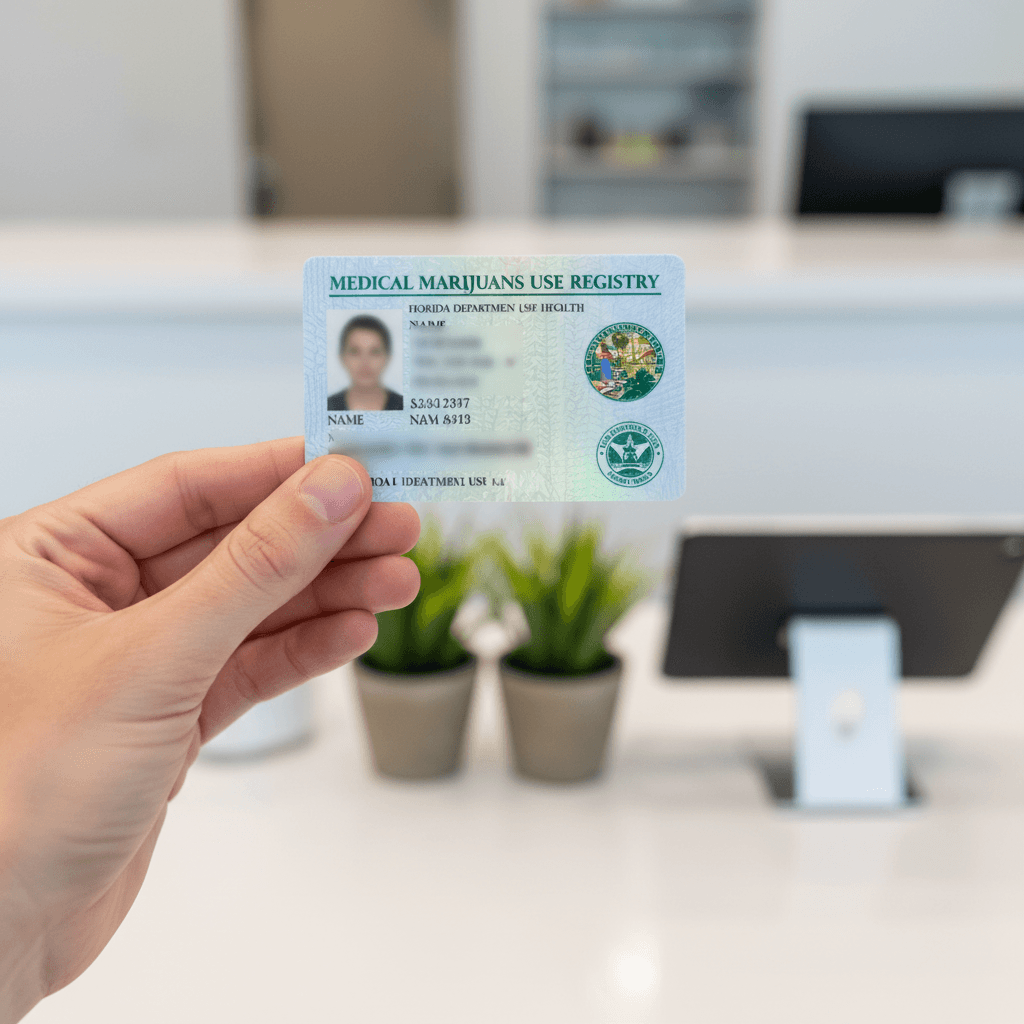
Florida’s medical cannabis program has registered more than 925,000 patients, a figure that represents approximately 3.75% of the state’s population. This enrollment level positions Florida among states with substantial medical cannabis participation, particularly notable given the state’s requirement for in-person physician evaluations for certification, as reported by .
Florida’s Medical Cannabis Program Structure and Growth
The state’s medical cannabis framework supports a comprehensive, vertically integrated supply chain. More than 700 licensed dispensary locations operate under 25 Medical Marijuana Treatment Centers (MMTCs). Each MMTC is mandated to cultivate, process, and dispense its own cannabis products, ensuring a controlled pathway from production to retail. This structure has facilitated a geographically distributed network, providing access across both urban and rural areas.
Patient enrollment in the Florida medical cannabis program has shown consistent growth since the passage of Amendment 2 in November 2016. This amendment expanded the list of qualifying conditions and the forms of cannabis available for patient use. Florida maintains a medical-only regulatory environment, where all registered patients are physician-certified, and all product purchases are tracked within the state’s regulated system.
Qualifying Conditions and Certification Process
Florida’s statute outlines specific qualifying conditions for medical cannabis access. These include:
- Cancer
- Epilepsy
- Glaucoma
- HIV and AIDS
- Post-traumatic stress disorder (PTSD)
- Amyotrophic lateral sclerosis (ALS)
- Crohn’s disease
- Parkinson’s disease
- Multiple sclerosis (MS)
- Terminal conditions
- Chronic nonmalignant pain
A broader statutory provision grants physicians discretion to certify other conditions of the same kind or class as those listed, allowing for expanded access where clinical characteristics align. Chronic nonmalignant pain and PTSD are frequently certified conditions. Patients must be at least 18 years of age, though minors may qualify under specific circumstances with parental involvement.
The certification process mandates an in-person evaluation by a qualified physician. Following certification, patients must register with the Florida Department of Health’s Office of Medical Marijuana Use and pay a $75 state registration fee. The patient identification card is valid for 12 months.
Renewal Requirements and Product Access
Physician certifications in Florida require renewal every 210 days, a separate obligation from the annual card renewal. Patients whose physician certifications lapse before their card expires may temporarily lose access to dispensaries. Managing both renewal dates is necessary to maintain continuous access.
The state registration fee for a Florida medical marijuana card is $75. Products are typically priced between $6 and $11 per gram, with a full ounce averaging around $300. A 6% tax applies to purchases. The available product range includes flower, tinctures, edibles, extracts, concentrates, pre-rolls, and vapes. Patients are permitted to purchase up to 2.5 ounces at a time and possess up to 4 ounces.
Implications for Digital Healthcare Access
The substantial patient enrollment in the Florida medical cannabis program, despite the in-person evaluation requirement, indicates significant patient demand. The national trend in healthcare access increasingly integrates digital solutions, with states that have incorporated telemedicine for cannabis certifications often experiencing accelerated registration rates. This is particularly evident among patients who face logistical challenges with in-person appointments. Should Florida consider extending telemedicine eligibility in the future, its existing patient base could serve as a foundation for further expansion, addressing potential unmet demand within the state, as noted by .
Disclaimer: This article is for informational purposes only and does not constitute medical advice. Hemp Gazette does not provide medical recommendations, diagnoses, or treatment plans. Always consult a qualified healthcare practitioner before making any decisions regarding your health or any medical condition. Statements concerning the therapeutic uses of hemp, cannabis, or cannabinoid-derived products have not been evaluated by Australia’s Therapeutic Goods Administration (TGA). Medicinal cannabis products in Australia are accessed via prescription pathways under TGA regulation.