
Pulmonary arterial hypertension (PAH) is a severe, life-threatening disease characterised by increased mean pulmonary artery pressure, which can lead to right ventricular hypertrophy and heart failure. Current therapeutic approaches often focus on pulmonary artery vasodilation, yet the complex, multifactorial nature of PAH suggests a need for novel strategies that address a broader spectrum of underlying mechanisms. Recent research has explored the potential of modulating inflammatory pathways and the endocannabinoid system, specifically through cannabinoid CB1 receptor blockade, as a therapeutic avenue.
Understanding Pulmonary Hypertension and Novel Approaches
The pathology of PAH involves more than just vasoconstriction; it includes vascular remodelling, inflammation, oxidative stress, and fibrosis. These interconnected processes contribute significantly to disease progression and the relatively low survival rates associated with current treatments.
The Role of iNOS and CB1 Receptors
Inducible nitric oxide synthase (iNOS) is a key enzyme involved in inflammation and immune system activation. Its induction by pro-inflammatory cytokines is understood to contribute to the development of PAH. Studies indicate that iNOS is often overexpressed in the lungs and heart of both human patients and animal models affected by PAH.
Activation of cannabinoid CB1 receptors (CB1Rs) has been associated with pro-inflammatory, pro-oxidative, pro-fibrotic, and pro-hypertrophic effects. The expression of CB1Rs is reported to be increased in the lungs of patients with certain fibrotic lung diseases, which are frequently linked to elevated pulmonary artery pressure, as reported in research.
Prior preclinical research has suggested that chronic inhibition of iNOS or pharmacological blockade of CB1Rs, when applied individually, may offer some benefits in various experimental models of pulmonary conditions.
Investigating Dual Pharmacological Blockade
Given the multifactorial nature of PAH, the seventh World Symposium on Pulmonary Hypertension in Barcelona, 2024, recommended initial combination therapy targeting different molecular pathways. This approach informed the rationale for exploring a dual blockade strategy.
Study Design and Methodology
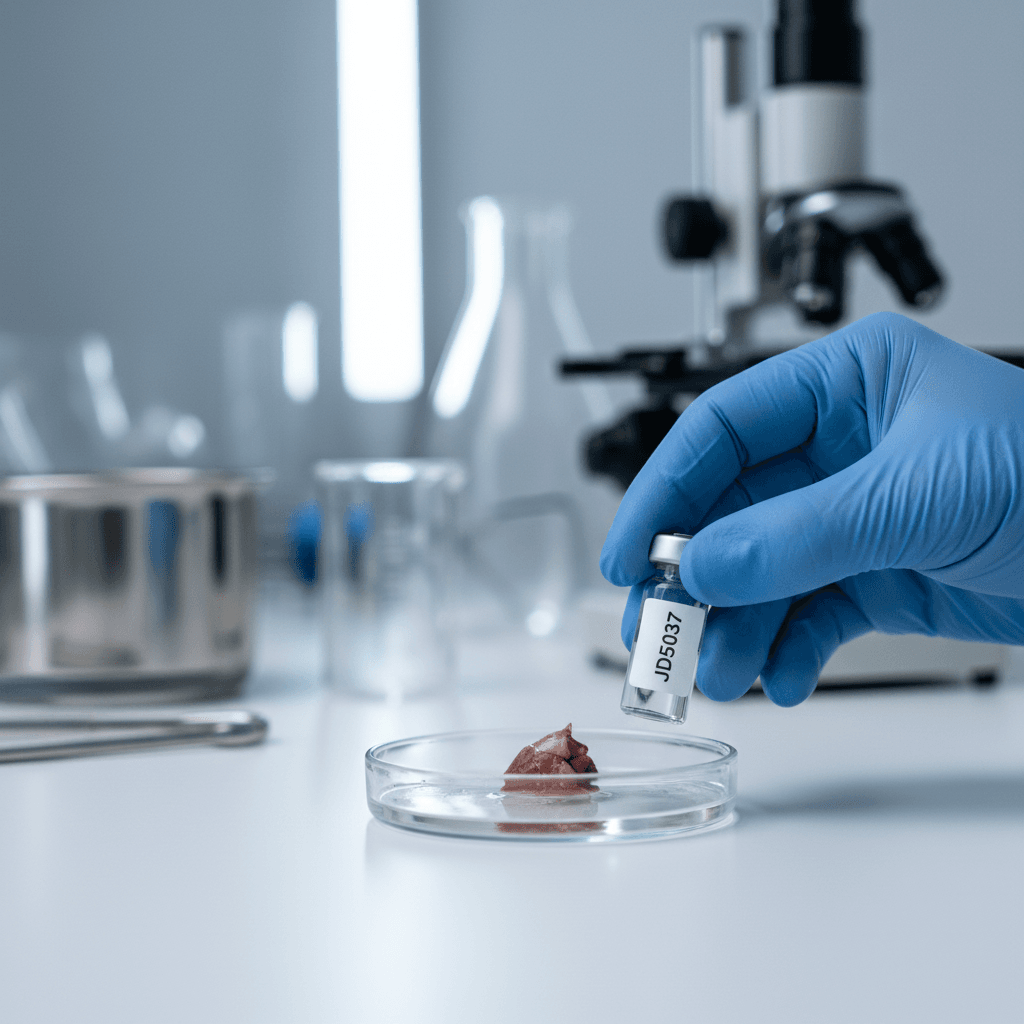
A team led by Piotr Ryszkiewicz and colleagues at the Medical University of Białystok investigated the effects of chronic simultaneous iNOS inhibition and selective peripheral cannabinoid CB1 receptor blockade in a rat model of monocrotaline-induced pulmonary hypertension. Rats were administered either an iNOS inhibitor (1400W), a peripheral CB1R antagonist (JD5037), or a combination of both for 17 days, starting eight days after PH induction.
- The researchers conducted invasive and non-invasive hemodynamic assessments to measure blood pressure and heart function.
- Biochemical and histological analyses were performed to evaluate inflammation, fibrosis, and tissue remodelling.
- Functional studies on isolated right ventricular papillary muscles were also included to assess heart muscle performance.
Promising Findings from Combined Therapy
The study’s results indicated that the combined therapy of iNOS inhibition and peripheral cannabinoid CB1 receptor blockade exerted the most beneficial effects compared to modulating either target alone. While individual treatments showed some improvements—1400W improved rates in rise/decrease in right ventricular pressure, and JD5037 reduced mean pulmonary artery pressure and right ventricular wall thickness—the dual approach demonstrated a more comprehensive impact.
- The combined treatment reduced right ventricular systolic pressure and mean pulmonary artery pressure.
- It attenuated right ventricular hypertrophy, a common complication of PAH.
- Improvements were observed in right ventricular function and blood oxygen saturation.
- The dual blockade also exhibited anti-inflammatory and anti-remodelling properties.
However, the study also noted that the combined therapy did not show effects on lung hypertrophy, electrocardiographic parameters, or the positive inotropic effect of β-adrenoreceptor agonist.
Implications for Pulmonary Hypertension Treatment
The findings from this preliminary research suggest that dual pharmacological iNOS/CB1R blockade could represent a promising novel strategy for the amelioration of PAH. By simultaneously targeting inflammation and the pro-fibrotic/pro-hypertrophic effects associated with CB1R activation, this approach may address the complex mechanisms underlying the disease more effectively than single-target therapies. Further research would be needed to explore these mechanisms and potential applications in clinical settings.
Disclaimer: This article is for informational purposes only and does not constitute medical advice. Hemp Gazette does not provide medical recommendations, diagnoses, or treatment plans. Always consult a qualified healthcare practitioner before making any decisions regarding your health or any medical condition. Statements concerning the therapeutic uses of hemp, cannabis, or cannabinoid-derived products have not been evaluated by Australia’s Therapeutic Goods Administration (TGA). Medicinal cannabis products in Australia are accessed via prescription pathways under TGA regulation.