
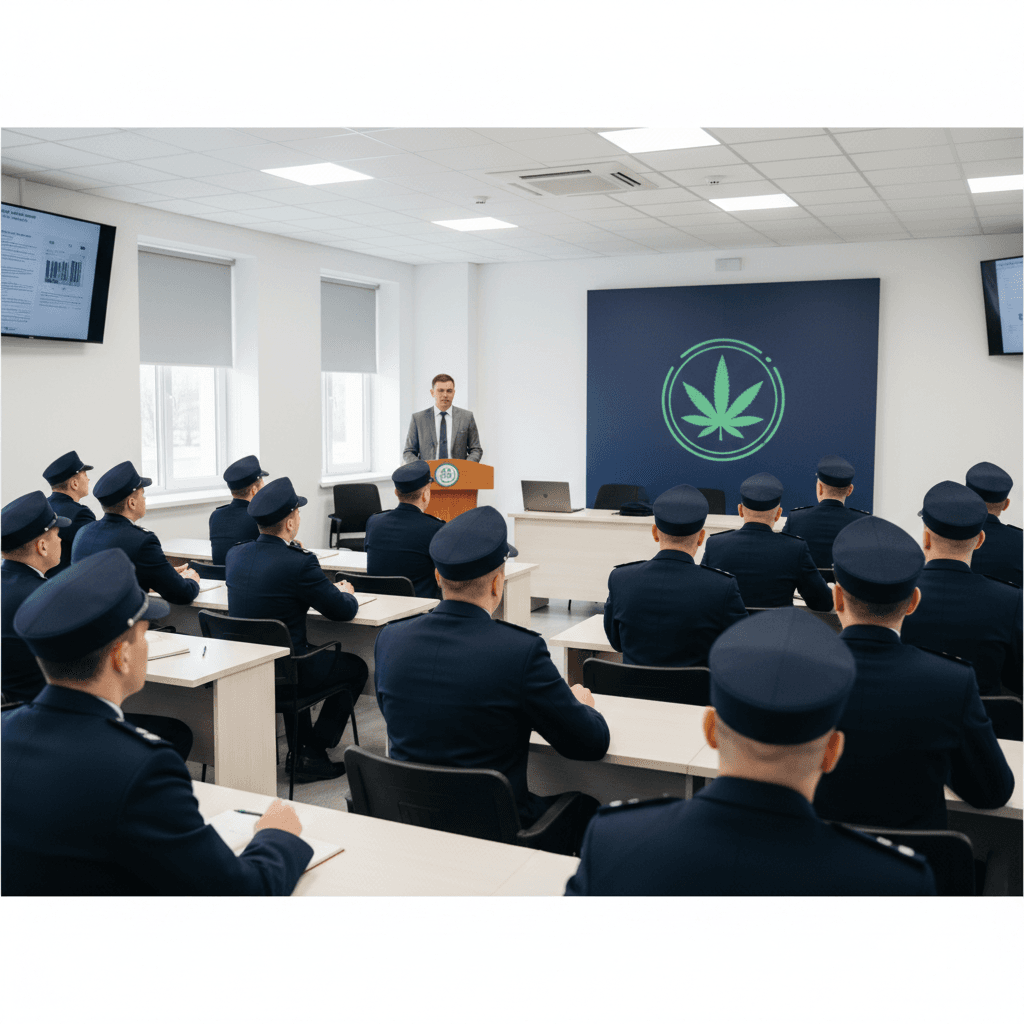
Antigua and Barbuda Medicinal Cannabis Authority Educates Police Recruits
The Antigua and Barbuda Medicinal Cannabis Authority (ABMCA) has initiated an educational program for police recruits, providing foundational knowledge in medicinal cannabis law. This initiative involved nearly 60 officers-in-training at the Police Training School, aiming to foster a more informed and effective national law enforcement body.
The ABMCA’s engagement session focused on its mandate, the structure of the medicinal cannabis industry, and the legal distinctions pertinent to law enforcement duties.
Understanding Distinct Legal Categories for Cannabis
Regis Burton, CEO of the ABMCA, highlighted the core principle of the training: cannabis now exists within two distinct legal categories. He emphasised the necessity for every officer to comprehend this differentiation.
“We really hope that as law enforcement officers, they see that time has changed to where cannabis can be placed in categories of illegal cannabis and also legal cannabis,” Burton stated. “Once you understand that there are two legal regimes and frameworks that, as a law enforcement officer, you have to work within, you will be better prepared to help us enforce this industry, also to help us educate within the industry.”
The Authority’s objective is to equip recruits with the legal understanding required to navigate the evolving regulatory landscape, ensuring enforcement activities align with current legislation.
Police as Educators and Enforcers of Medicinal Cannabis Law
Beyond enforcement, the ABMCA positioned the recruits as potential ambassadors for public education on cannabis regulation. This expectation was directly communicated during the session.
- Recruits are expected to assist in educating the public on the legal aspects of the medicinal cannabis industry.
- The ABMCA believes that law enforcement officers, being better prepared on the legal side, will execute their duties with an enhanced level of education regarding this developing sector.
The Authority drew a parallel between public safety and national development, asserting that a police force grounded in legal knowledge is better equipped to serve both enforcement and societal education functions. The goal is to achieve improved enforcement activities concurrently with a more educated society and law enforcement body.
Strategic Priority for the Medicinal Cannabis Sector
The ABMCA acknowledged the professionalism of the Police Training School and the participating recruits, describing the issue as having growing regional and international relevance. Continued engagement with law enforcement agencies remains a strategic priority for Antigua and Barbuda as it works to strengthen its position in the medicinal cannabis sector.
Disclaimer: This article is for informational purposes only and does not constitute medical advice. Hemp Gazette does not provide medical recommendations, diagnoses, or treatment plans. Always consult a qualified healthcare practitioner before making any decisions regarding your health or any medical condition. Statements concerning the therapeutic uses of hemp, cannabis, or cannabinoid-derived products have not been evaluated by Australia’s Therapeutic Goods Administration (TGA). Medicinal cannabis products in Australia are accessed via prescription pathways under TGA regulation.