
Federal Policy Shifts and Cannabis Rescheduling Implications
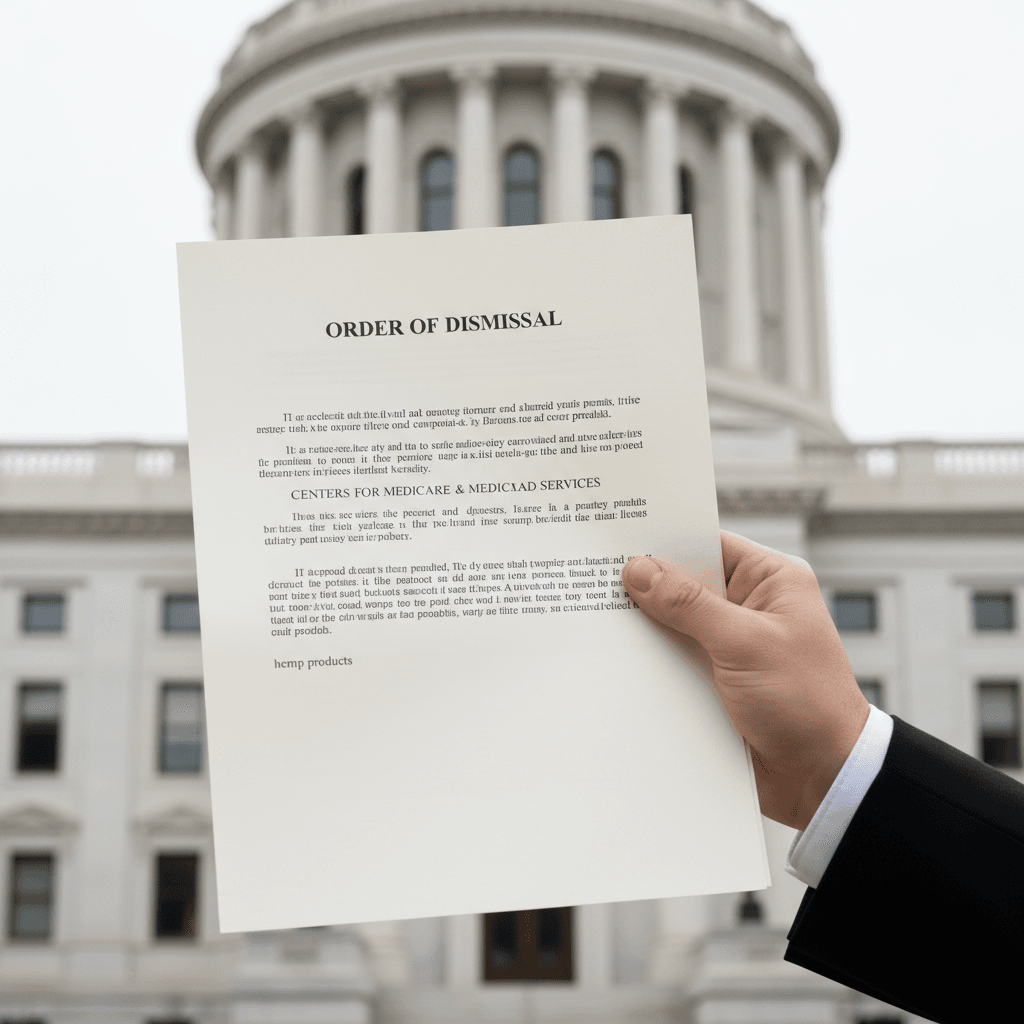
A federal judge has dismissed a lawsuit that sought to block the Centers for Medicare & Medicaid Services (CMS) from covering certain hemp products for eligible patients. The legal challenge, brought by anti-marijuana groups and a cannabis-focused biopharmaceutical corporation, aimed to prevent the CMS plan, as reported by Marijuana Moment. This dismissal occurs amidst ongoing discussions surrounding federal cannabis rescheduling and its broader policy ramifications.
In a related development, a coalition of 29 Democratic members from the House and Senate has urged President Donald Trump to commute the sentences of individuals incarcerated in federal prisons for marijuana-related offenses. This appeal follows the administration’s move toward cannabis rescheduling, highlighting a legislative push for criminal justice reform in conjunction with regulatory changes.
Conversely, Representatives Andy Harris (R-MD) and Pete Sessions (R-TX), alongside an anti-marijuana group and a drug testing industry association, are advocating for a “safety carve-out” within any rescheduling framework. This proposed provision would ensure that transportation workers remain subject to testing and penalties for cannabis use, even after federal reclassification. Furthermore, the Department of Transportation (DOT) has adopted a new drug testing rule, mandating “directly observed” urine collection for truck drivers and other federally regulated workers, citing a lack of certified saliva testing laboratories.
State-Level Regulatory Responses to Federal Changes
The potential federal cannabis rescheduling has prompted varied responses at the state level. The Alabama State Committee of Public Health, for instance, voted to object to the federal reclassification. This objection aims to provide state officials with additional time to prepare for an automatic reclassification of cannabis under state law, which would be triggered by the Trump administration’s federal move.
In Delaware, lawmakers are currently considering four distinct bills to regulate hemp-derived THC products as the legislative session concludes. These legislative efforts reflect a growing need for clear state-level frameworks to manage the sale and distribution of cannabinoid products derived from industrial hemp.
Market Dynamics and Industry Developments
The broader cannabis and hemp industries continue to experience market fluctuations and regulatory adjustments. Decibel Cannabis Company Inc. reported quarterly net revenue of C$29.8 million, alongside a comprehensive loss of C$2.2 million, according to its latest financial disclosures. This financial performance provides insight into the operational challenges and revenue generation within the Canadian cannabis market.
Internationally, Guyana’s agriculture minister has discussed initiatives aimed at developing a domestic hemp industry. Meanwhile, in the United States, Massachusetts regulators are preparing to audit state THC potency levels on marijuana product labels.
In California, the attorney general announced the arrest of an individual accused of defrauding investors of over half a million dollars through a purported cannabis investment scheme. This case underscores the importance of due diligence and regulatory oversight in emerging investment sectors within the cannabis industry.
Disclaimer: This article is for informational purposes only and does not constitute medical advice. Hemp Gazette does not provide medical recommendations, diagnoses, or treatment plans. Always consult a qualified healthcare practitioner before making any decisions regarding your health or any medical condition. Statements concerning the therapeutic uses of hemp, cannabis, or cannabinoid-derived products have not been evaluated by Australia’s Therapeutic Goods Administration (TGA). Medicinal cannabis products in Australia are accessed via prescription pathways under TGA regulation.