
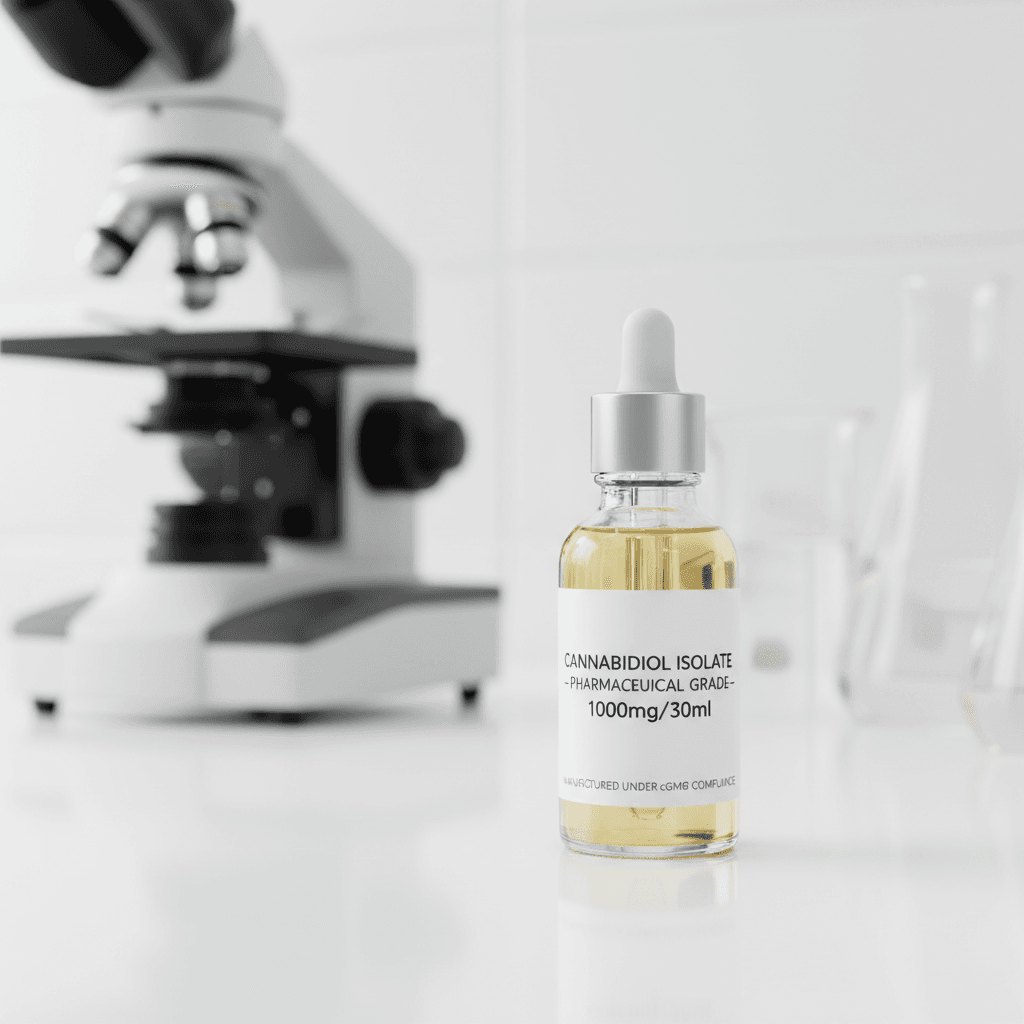
The European CBD market is undergoing a significant transformation, moving away from its earlier consumer wellness boom towards a more tightly controlled, pharmaceutical-dominated landscape. This shift, driven by evolving regulatory frameworks, suggests that pharmaceutical CBD products will increasingly define the sector’s future, as reported by Hemp Today.
The Recalibration of Europe’s CBD Market
The initial “wild west” phase of the European CBD market, characterized by a proliferation of wellness products, is receding. The next phase is not expected to resemble the freewheeling consumer category many investors once envisioned. Instead, the market appears headed toward a future that is narrower, more controlled, and significantly smaller, primarily led by the pharmaceutical subsector. This implies that Europe’s future CBD market will be defined less by consumer brands and more by:
- Healthcare distribution networks
- Pharmaceutical production standards
- Clinically oriented product development
These developments are expected to result in expensive, niche products designed to address specific medical afflictions, contrasting sharply with the broad consumer appeal of earlier wellness offerings.
Regulatory Pressures on Non-Pharmaceutical CBD
The restrictive approach adopted by EU and UK food safety authorities is recalibrating the market for non-pharmaceutical CBD. As a result, wellness CBD products are anticipated to primarily exist as ultra-low-dose formulations, which may offer limited commercial appeal. In many instances, these products might serve as legal fronts for higher-dose gray-market CBD sales, which are expected to continue operating at the periphery of legal frameworks, online, and through smaller specialty outlets. While fragmented enforcement and uneven national oversight have historically allowed CBD markets to operate in legally ambiguous territories across parts of Europe, analysts expect both the legal and gray markets for wellness CBD to remain comparatively small.
The Ascendancy of Pharmaceutical CBD
Companies that pursued rigorous clinical trials and pharmaceutical regulation, such as GW Pharmaceuticals (now part of Jazz Pharmaceuticals), are positioned to lead this reconfigured market. Their cannabis-based treatments, Epidyolex (known as Epidiolex in the United States) and Sativex, have operated within controlled medical frameworks in Europe and the U.S. for several years. Epidyolex, a CBD-only drug, and Sativex, a balanced CBD and THC formulation, have established a template for regulated prescription CBD medicines. Jazz Pharmaceuticals reported global sales for Epidyolex at approximately US$1.1 billion, within a total regulated prescription CBD market estimated at a few billion dollars. This niche market is projected to grow as regulators in Europe and the UK intensify scrutiny on wellness CBD, and as cannabis-based medicines further integrate into mainstream medical practice.
Challenges and Consolidation Across Product Categories
Beyond ingestible products, cosmetics may offer a limited survival channel for CBD in Europe, as topical applications bypass some novel food regulations. However, this category faces growing uncertainty due to ongoing reviews by European regulators under chemicals and cosmetics frameworks. Debates concerning CBD’s potential impact on fertility or fetal development could sharply limit or potentially eliminate its use in personal-care products. The narrowing market pathway has already led to the disappearance of numerous smaller brands, burdened by years of delays, mounting compliance costs, and uncertainty surrounding the UK and EU food-safety approval pathways. The companies best positioned for long-term presence are those with substantial financial resources and pharmaceutical-grade manufacturing capabilities, with established medical marijuana operators and drug companies expected to integrate CBD products into broader therapeutic portfolios.
Disclaimer: This article is for informational purposes only and does not constitute medical advice. Hemp Gazette does not provide medical recommendations, diagnoses, or treatment plans. Always consult a qualified healthcare practitioner before making any decisions regarding your health or any medical condition. Statements concerning the therapeutic uses of hemp, cannabis, or cannabinoid-derived products have not been evaluated by Australia’s Therapeutic Goods Administration (TGA). Medicinal cannabis products in Australia are accessed via prescription pathways under TGA regulation.