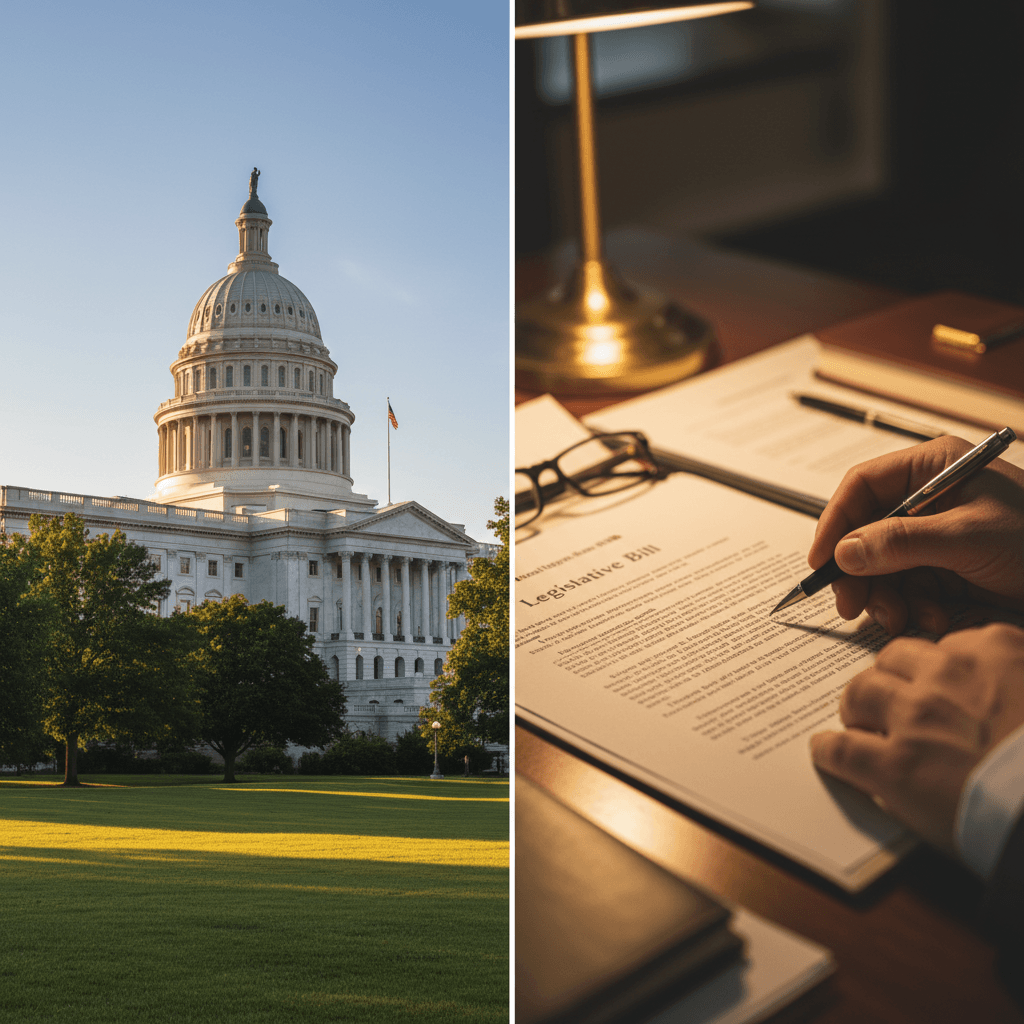
Recent developments in United States cannabis policy indicate a complex and evolving regulatory landscape, with significant actions at both state and federal levels. Virginia Governor Abigail Spanberger (D) recently vetoed legislation aimed at legalizing recreational marijuana sales, citing concerns over a “rushed timeline” and an “aggressively” high number of proposed dispensaries across the state. This decision has prompted companies like Jushi to pause planned operational expansions in Virginia, as reported by Marijuana Moment.
State-Level Regulatory Dynamics
Beyond Virginia, other states are navigating their own cannabis policy frameworks:
- Pennsylvania: Republican lieutenant governor nominee Jason Richey has publicly stated that legalizing marijuana would be “catastrophic,” arguing it would expand the illegal market, hinder job creation, and negatively impact public health through increased impaired driving incidents, mental health issues, and emergency room visits.
- Maryland: Governor Wes Moore (D) discussed his administration’s mass marijuana pardons during a speech at a Center for American Progress conference.
- Illinois: Lawmakers have introduced legislation to revise various cannabis rules, indicating ongoing adjustments to the state’s regulatory structure.
- Washington State: Regulators are proceeding with the implementation of legislation that permits cannabis producer businesses to establish cooperatives and agricultural associations.
- Minnesota: Regulators have suspended testing operations at a cannabis laboratory due to alleged failures in addressing “security and testing requirements.”
- Delaware: The state’s top cannabis regulator is discussing pending legislation that would restrict the sale of THC-infused beverages to licensed liquor stores, marijuana dispensaries, and microbreweries.
- New Jersey: Regulators have published guidance concerning the oversight of hemp-derived THC products, reflecting a national trend of increased scrutiny on this segment.
Federal Actions and Economic Considerations
Federal agencies and economic factors continue to influence the cannabis and psychedelics sectors:
- DEA Enforcement: The Drug Enforcement Administration has taken enforcement actions against unlicensed marijuana dispensaries operating in New York.
- Psilocybin Rescheduling: An attorney representing a doctor who filed a petition to reschedule psilocybin has urged the Department of Justice to expedite the reform, referencing a recent executive order on psychedelics from President Donald Trump. Separately, Oregon regulators are accepting applications for a Psilocybin Services Rules Advisory Committee.
- NIDA Director’s Insights: National Institute on Drug Abuse Director Nora Volkow has discussed the therapeutic potential of psychedelics, including a visit to an ibogaine clinic.
- Transportation Safety: The National Transportation Safety Board released a report indicating an increase in positive marijuana tests among aviation personnel.
- Hemp Legislation: The Congressional Research Service included an analysis of hemp laws within a broader report on the Farm Bill, highlighting the ongoing federal interest in industrial hemp policy.
- Tariff Impacts: Justin Leiby, who conducts an annual business survey for the Illinois Cannabis Regulation Oversight Office, asserts that increased costs from tariffs are significantly eroding the benefits derived from 280E tax penalty relief, particularly affecting specific industry sectors.
Therapeutic Research and Market Performance
Research continues to explore the therapeutic applications of cannabinoids and psychedelics, while market data provides insight into industry growth:
- Cannabis for Arthritis: A study found that approximately 25 percent of arthritis patients already use cannabis, with many reporting perceived benefits for pain.
- Psilocybin for Depression: A review concluded that psilocybin-assisted therapy demonstrates promise as an investigational approach for depressive disorders, showing rapid onset and potential medium-term benefits for some patients.
- New Mexico Sales: Retailers in New Mexico have reported over $2.2 billion in legal marijuana product sales since the launch of recreational sales in 2022, indicating sustained market expansion.
Disclaimer: This article is for informational purposes only and does not constitute medical advice. Hemp Gazette does not provide medical recommendations, diagnoses, or treatment plans. Always consult a qualified healthcare practitioner before making any decisions regarding your health or any medical condition. Statements concerning the therapeutic uses of hemp, cannabis, or cannabinoid-derived products have not been evaluated by Australia’s Therapeutic Goods Administration (TGA). Medicinal cannabis products in Australia are accessed via prescription pathways under TGA regulation.