
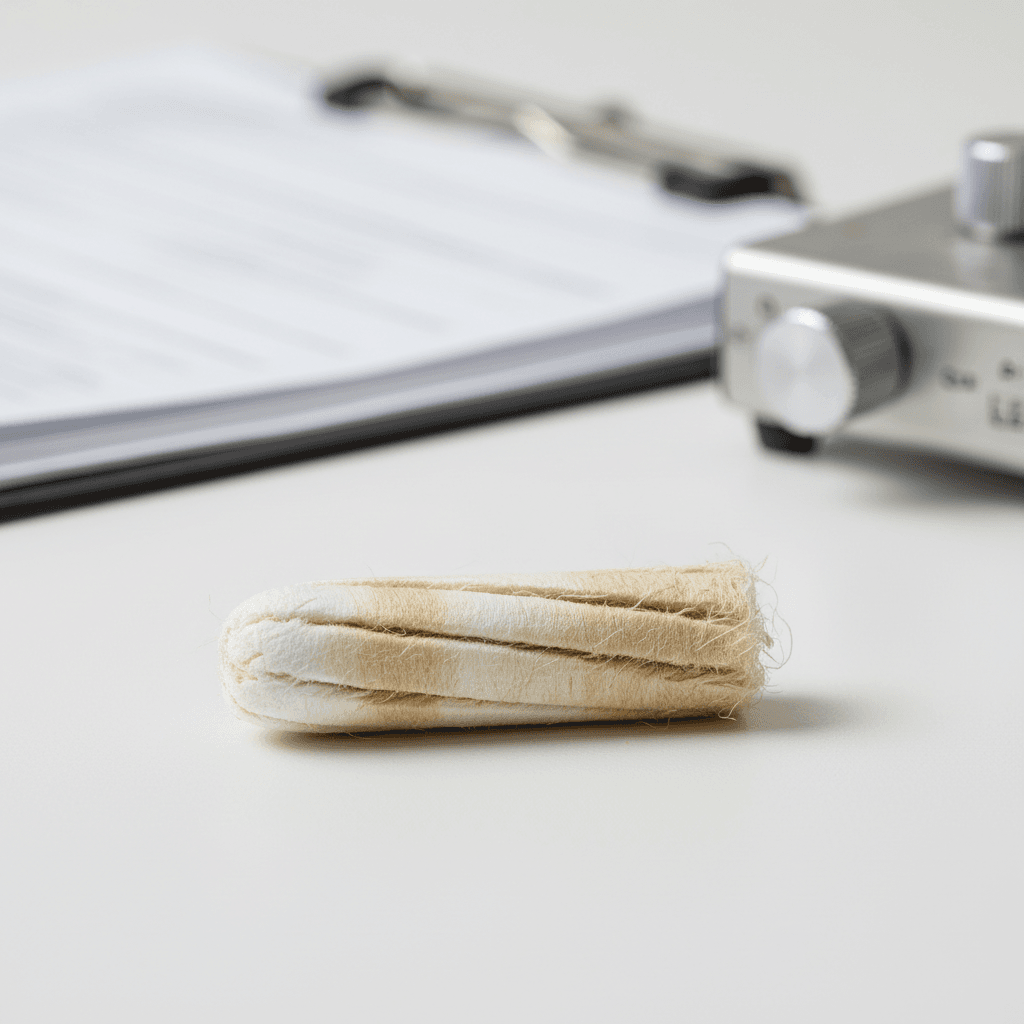
Trace Femcare, a company known for developing the world’s first hemp fiber tampons, faced significant regulatory hurdles from the U.S. Food and Drug Administration (FDA) before its assets were acquired. Founder Claire Crunk detailed the company’s experience, including unexpected testing demands and the financial strain these imposed, in a recent appearance on the Lancaster Farming Industrial Hemp Podcast.
FDA Regulatory Demands and Financial Impact
Trace Femcare’s journey to market for its hemp fiber tampons encountered a major setback when the FDA requested an extensive chemical extraction study and mass spectrometry analysis. This requirement, initially estimated to cost US$150,000 and take 12 months, significantly impacted the company’s operational timeline and financial resources.
- Initially, the FDA’s primary concern was cannabinoids, but months later, they reversed course and demanded an exhaustive chemical extraction study.
- Months later, the agency shifted its focus, demanding an exhaustive chemical analysis akin to those required for implants and high-risk medical devices.
- Claire Crunk stated that the additional 12 months of operating expenses, combined with the study cost, effectively increased the financial burden to approximately US$400,000.
Crunk noted a perceived double standard, as the FDA later conducted its own lower-standard tampon study following a Columbia and UC Berkeley report that identified heavy metals in numerous existing tampon brands. This report highlighted the presence of heavy metals in dozens of tampon brands already on the market, prompting questions about regulatory consistency. The study, titled “Heavy Metals in Tampons Study (Columbia / UC Berkeley),” is available via PubMed.
Ultimately, Trace Femcare was unable to sustain the financial and temporal demands of the FDA’s requirements, leading to the sale of its assets.
Asset Acquisition by 1937 International
Despite the regulatory challenges, there was considerable interest in Trace Femcare’s assets within the feminine hygiene sector. The company’s assets were eventually acquired by 1937 International, a U.S. entity collaborating with groups in Pakistan to establish hemp fiber ecosystems. This acquisition aligns with 1937 International’s broader vision to integrate hemp fiber across various product categories globally.
Strategic Vision for Hemp Fiber
1937 International’s co-founder, Ryan Zaczkynski, has previously discussed the company’s objective to expand hemp fiber applications across different industries. The acquisition of Trace Femcare’s assets supports this goal by providing established product development and intellectual property in the feminine hygiene space. Pakistan is recognized for its textile production capabilities and expertise in fiber agronomy, making it a strategic location for developing hemp fiber supply chains.
Claire Crunk expressed optimism regarding the acquisition, viewing it as an opportunity for Trace Femcare’s original vision of regionalized, traceable “farm to flow” supply chains to scale to a global level under 1937 International’s stewardship.
Expanding Applications of Hemp Fiber
The narrative of Trace Femcare underscores the potential for hemp fiber beyond traditional applications. The broader industrial hemp market continues to explore diverse product developments, as highlighted by recent industry news:
- Partnerships such as Panda Bioteach and Culturewell Partner are working to bring U.S. hemp fiber to India’s textile industry.
- Cornell AgriTech has developed new low-THC hemp fiber cultivars suitable for New York State’s climate.
- Nepal Hemp Builder’s Largest Project Yet demonstrates hemp’s utility in sustainable construction.
These developments reflect an expanding role for hemp fiber in textiles, medicine, construction, and other manufacturing sectors, aligning with the vision for diversified applications that Trace Femcare initially pursued for its hemp fiber tampons.
Disclaimer: This article is for informational purposes only and does not constitute medical advice. Hemp Gazette does not provide medical recommendations, diagnoses, or treatment plans. Always consult a qualified healthcare practitioner before making any decisions regarding your health or any medical condition. Statements concerning the therapeutic uses of hemp, cannabis, or cannabinoid-derived products have not been evaluated by Australia’s Therapeutic Goods Administration (TGA). Medicinal cannabis products in Australia are accessed via prescription pathways under TGA regulation.