
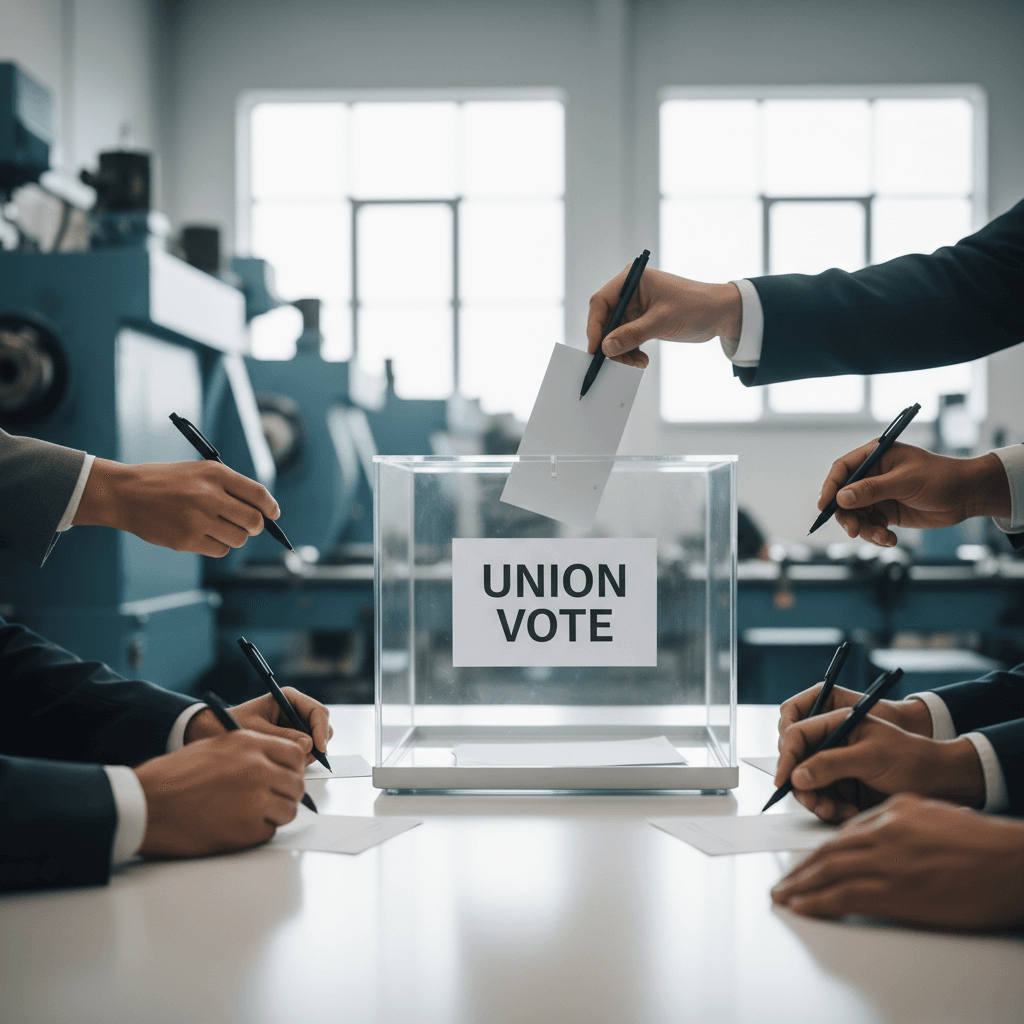
Employees at the Sinse medical cannabis cultivation and manufacturing facility in St. Louis, Missouri, have voted to unionize, with the National Labor Relations Board (NLRB) rejecting the parent company’s argument that these workers should be classified as agricultural laborers. The vote for cannabis worker unionization concluded 11-3 in favor, following a two-year challenge by BeLeaf Medical, the facility’s owner.
The decision by the NLRB, the federal agency responsible for enforcing U.S. labor law, establishes a precedent regarding the labor rights of specific roles within the medical cannabis industry. This outcome affects how companies classify their workforce and manage labor relations, particularly concerning the National Labor Relations Act (NLRA), which protects most private-sector employees’ right to organize and bargain collectively without fear of retaliation.
NLRB Ruling on Cannabis Worker Classification
BeLeaf Medical had contested the unionization efforts since 2023, arguing that its “post-harvest workers” were agricultural laborers and thus exempt from the protections of the NLRA. The federal labor law excludes agricultural workers from its provisions, impacting their ability to form unions and engage in collective bargaining.
However, the National Labor Relations Board, which serves as the highest administrative body for labor conflicts and sets national policy on unionization, disagreed with BeLeaf Medical’s position. In its decision, the board members stated, “We agree with the regional [NLRB] director, for the reasons provided in her decision, that none of the workers employed in the classifications at issue here are agricultural laborers under the secondary definition of agriculture.”
The NLRB’s findings indicated that the Sinse employees whose votes were challenged primarily performed tasks such as:
- Pre-roll production
- Data entry on computers
- Processing dried marijuana into finished products
These activities were deemed distinct from traditional agricultural labor, thereby bringing these workers under the purview of the federal labor law. This clarification by the NLRB is significant for the broader cannabis industry, as it delineates the scope of federal labor protections for employees in processing and manufacturing roles.
Unionization Vote Outcome and Company Response
The sealed ballots from the election, which had been held for over two years due to BeLeaf Medical’s challenge, were finally opened, revealing an 11-3 vote in favor of unionization. This result marks a significant step for the United Food and Commercial Workers (UFCW) Local 655, which has been organizing the workers since fall 2023.
Douglas Purvis, BeLeaf Medical’s director of human resources, acknowledged the outcome in an emailed statement to the Missouri Independent, as reported by Marijuana Moment. Purvis stated that the company respects “the outcome and the wishes of our employees” and is “committed to bargaining in good faith” to reach a mutually acceptable agreement.
Will Braddum, a former employee at Sinse and an organizer of the union effort, noted the “bittersweet” nature of the victory, given the time elapsed since his termination and the initial vote. He emphasized the precedent set for the industry, providing an opportunity for other cannabis workers to pursue similar protections. Scotti Iman, another former Sinse worker and organizer, highlighted the necessity of such representation, stating that “people in this field definitely need somebody to stick up for them, because it’s a little easy to get steamrolled.”
Implications for Medical Cannabis Labor Rights
The successful unionization vote and the NLRB’s classification ruling have wider implications for the medical cannabis industry across the United States. It clarifies that certain roles within cultivation and manufacturing facilities may not fall under the agricultural exemption, thereby extending federal labor protections to a segment of the workforce previously contested. This decision could encourage similar unionization efforts in other states where medical cannabis operations are expanding.
Sean Shannon, a lead organizer with UFCW Local 655, indicated that the union plans to initiate bargaining dates with BeLeaf Medical shortly, aiming to establish a collective bargaining agreement for the newly unionized employees. Laura Kelley, president of UFCW Local 655, underscored the importance of workers’ voices in the labor process, noting that the BeLeaf election demonstrates the foundational purpose of unions in ensuring those voices are heard and protected under federal law.
Disclaimer: This article is for informational purposes only and does not constitute medical advice. Hemp Gazette does not provide medical recommendations, diagnoses, or treatment plans. Always consult a qualified healthcare practitioner before making any decisions regarding your health or any medical condition. Statements concerning the therapeutic uses of hemp, cannabis, or cannabinoid-derived products have not been evaluated by Australia’s Therapeutic Goods Administration (TGA). Medicinal cannabis products in Australia are accessed via prescription pathways under TGA regulation.