
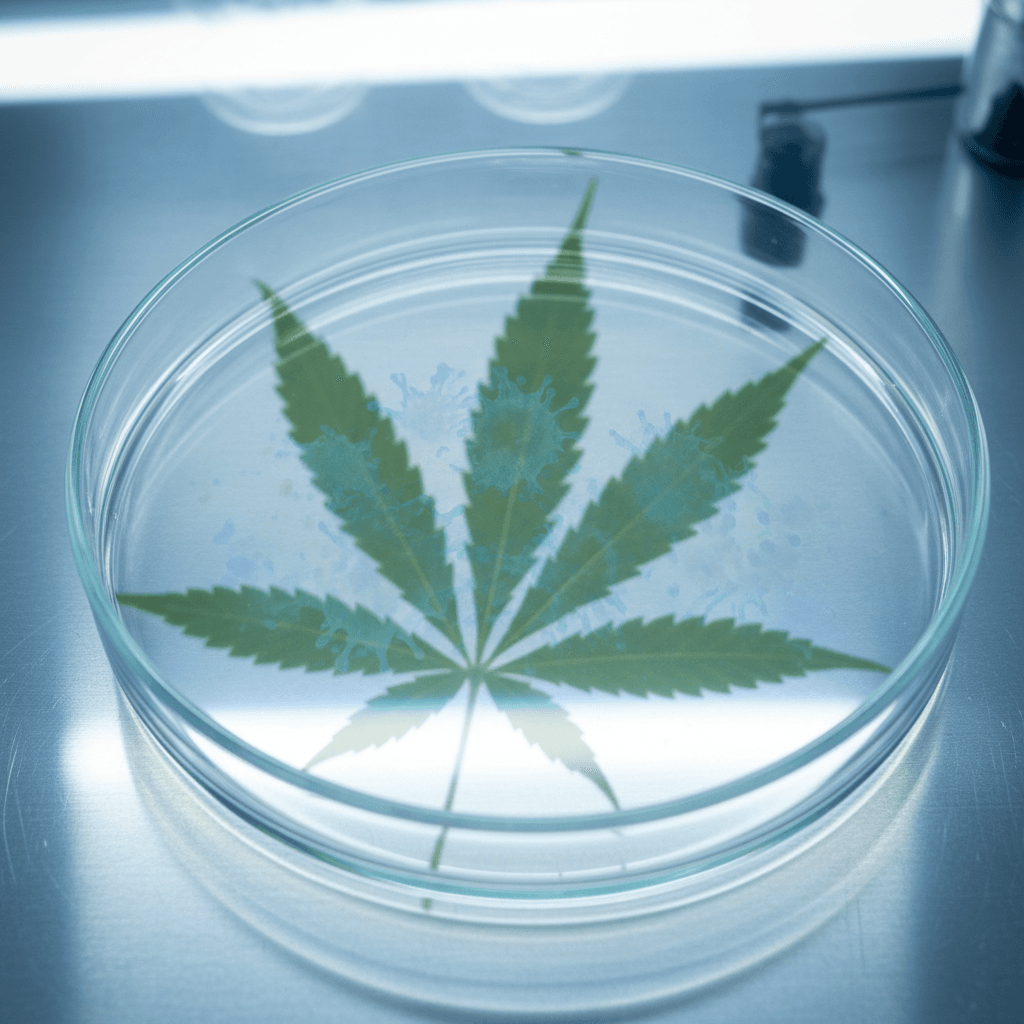
Viral Claim: Cannabis and Hantavirus
A claim circulating across social media platforms suggests that scientists have discovered cannabis can “kill” hantavirus. However, a fact check by FactCrescendo indicates there is no credible scientific evidence demonstrating that cannabis can kill or treat hantavirus infection in humans. While some laboratory studies have explored the antiviral potential of certain cannabis compounds against a range of viruses, no reputable medical authority or peer-reviewed study has shown that cannabis can eliminate hantavirus in humans.
Understanding Hantavirus and Current Treatment
Hantaviruses are rodent-borne viruses capable of causing serious illness in people, including Hantavirus Pulmonary Syndrome (HPS) and Hemorrhagic Fever with Renal Syndrome (HFRS). Transmission primarily occurs through contact with infected rodent urine, droppings, or saliva, particularly when contaminated dust is inhaled. Most strains do not spread easily between people, though the Andes strain is an exception.
According to the World Health Organization (WHO) and the U.S. Centers for Disease Control and Prevention (CDC), there is currently no specific antiviral treatment or vaccine for hantavirus infection. Treatment is primarily supportive, involving oxygen, fluids, and intensive care when needed. While intravenous ribavirin has been used off-label in some cases of HFRS, particularly when administered early, its effectiveness remains variable and it has not shown clear benefit for HPS.
What Research on Cannabis Actually Shows
The research often cited in viral posts regarding cannabis and hantavirus is typically not focused on hantavirus itself. Instead, most studies investigate whether certain cannabinoids found in cannabis or hemp demonstrate antiviral effects against other viruses in laboratory experiments or animal models. For example:
- A review in the Journal of Applied Microbiology examined evidence suggesting cannabinoids and terpenes may exhibit antiviral activity in lab or animal research involving viruses such as SARS-CoV-2, HIV, hepatitis C, and herpes simplex virus. The authors emphasised that clinical trials are still needed before conclusions can be drawn about real-world medical use.
- Researchers at the Linus Pauling Institute at Oregon State University summarised research indicating hemp cannabinoids could have antiviral potential in laboratory settings, but they also stressed that this does not prove effectiveness in humans.
Additional peer-reviewed reviews and articles discuss cannabis as a possible antiviral, including a Monash University systematic review on cannabis as antivirals and a News-Medical report on cannabidiol and innate immune response against SARS-CoV-2. However, none of these studies conclude that cannabis can kill hantavirus. These findings remain preclinical, meaning they were observed in laboratory or animal studies and have not been validated in human clinical trials.
Complexities of Cannabis and Immune Response
It is also important to note that some research suggests cannabis smoke exposure may affect immune responses. For instance, a study published in Frontiers in Immunology reported that cannabis smoke exposure suppressed antiviral immune responses and increased viral burden during influenza infection in animal models. Findings like this highlight that cannabis use may have complex, context-dependent effects on the immune system and should not be assumed to improve antiviral defences.
Official Health Recommendations for Hantavirus
Major health agencies consistently emphasise prevention, early medical care, and supportive treatment rather than unproven remedies. The WHO and CDC recommend reducing exposure to rodents and safely cleaning contaminated environments as the primary prevention strategy. Public health guidance advises against sweeping or vacuuming rodent droppings, as this can aerosolise virus particles and increase infection risk. Instead, contaminated areas should be disinfected using wet-cleaning methods with bleach or approved disinfectants.
If you suspect hantavirus exposure, it is crucial to:
- Avoid sweeping, vacuuming, or disturbing rodent droppings.
- Wear an N95 respirator, rubber gloves, and protective clothing when cleaning affected areas.
- Disinfect surfaces using a bleach solution (1 part bleach to 10 parts water) or an EPA-approved disinfectant.
- Seek immediate emergency medical care if you develop fever, severe muscle aches, or breathing difficulty within 1–8 weeks of potential exposure.
- Do not use cannabis, herbal remedies, or any unproven alternative treatment in place of medical care.
- Rodent-proof your home by sealing gaps, storing food in sealed containers, and setting traps in high-risk areas.
The Mayo Clinic notes that early intensive medical care significantly improves survival chances for patients with severe hantavirus disease.
Conclusion
The claim that scientists have found cannabis can “kill” hantavirus is not supported by current scientific evidence. Existing cannabis research involves preliminary laboratory studies on unrelated viruses and does not demonstrate that cannabis can treat or eliminate hantavirus infection in humans. Major public health authorities, including the WHO and CDC, continue to state that there is no approved antiviral treatment for hantavirus infection, and no medical authority currently recommends cannabis as a treatment.
Disclaimer: This article is for informational purposes only and does not constitute medical advice. Hemp Gazette does not provide medical recommendations, diagnoses, or treatment plans. Always consult a qualified healthcare practitioner before making any decisions regarding your health or any medical condition. Statements concerning the therapeutic uses of hemp, cannabis, or cannabinoid-derived products have not been evaluated by Australia’s Therapeutic Goods Administration (TGA). Medicinal cannabis products in Australia are accessed via prescription pathways under TGA regulation.