
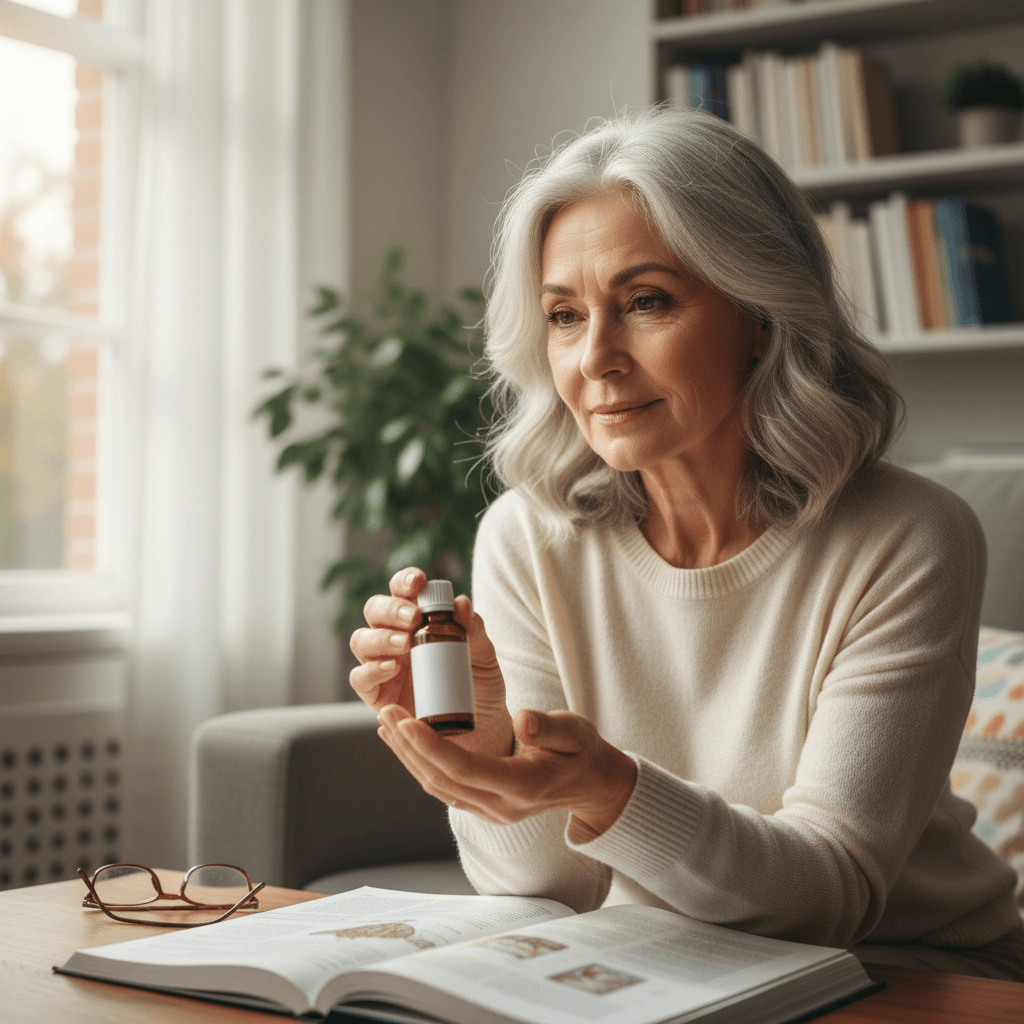
The landscape of medicinal cannabis use is evolving, with a notable increase in cannabis use among older adults. While some individuals seek relief from chronic conditions, experts from Stanford Medicine are cautioning that modern cannabis products are significantly more potent than those of previous decades, potentially carrying underestimated health risks for those over 65.
Specialists, including geriatric nurse practitioner Eloise Theisen and clinical associate professor of psychiatry and behavioral sciences Smita Das, MD, PhD, highlight concerns about heart problems, falls, memory issues, dangerous drug interactions, and the potential for cannabis use disorder. These insights underscore the importance of informed decisions and professional guidance when considering medicinal cannabis.
Evolving Potency of Medicinal Cannabis
Many older adults may not be aware of the dramatic increase in cannabis potency over recent decades. According to a report by Science Daily, citing Stanford Medicine experts, cannabis flower in the 1970s typically contained 1% to 4% tetrahydrocannabinol (THC), the primary psychoactive compound. Today, legal cannabis flower often averages around 20% THC, with some strains reaching 35%. Concentrates, oils, and edibles can contain THC levels approaching 90%.
This heightened potency is associated with an increased risk of accidental overconsumption, particularly among older adults. A Canadian study, referenced by Stanford Medicine specialists, observed a nearly threefold increase in cannabis poisoning cases among adults over 65 following nationwide legalisation. Smita Das, MD, PhD, noted, “This is really not the cannabis of the ’70s,” emphasising the need for awareness regarding product strength and formulation.
Potential Health Concerns for Older Adults
Cardiovascular and Cognitive Risks
Preliminary research suggests a link between regular cannabis use and cardiovascular disease, a particular concern for older adults. Joseph Wu, MD, PhD, director of the Stanford Cardiovascular Institute, reported that his research team found THC to trigger inflammation in blood vessels in animal studies. Epidemiological studies have also associated regular cannabis use with a 29% increase in heart attacks and a 20% increase in stroke risk in humans. While these risks may be lower than those linked to heavy tobacco or alcohol use, Dr. Wu highlighted that many cannabis users also consume these substances, potentially compounding cardiovascular danger.
Beyond cardiovascular health, Eloise Theisen observes other complications in older patients, including dizziness, confusion, falls, and a potential worsening of cognitive issues. Older adults tend to metabolise cannabis more slowly, meaning its effects can last longer and increase the likelihood of interactions with prescription medications. For instance, cannabidiol (CBD) may interfere with enzymes that break down certain medications, such as blood thinners, potentially increasing the risk of bleeding.
Understanding Cannabis Use Disorder
While a common belief suggests cannabis is not addictive, research indicates otherwise. Studies suggest that approximately 30% of regular cannabis users may develop cannabis use disorder. This condition is characterised by withdrawal symptoms, the need for larger doses over time, or cannabis interfering with daily responsibilities and relationships.
Smita Das, MD, PhD, noted that healthcare providers may not routinely inquire about cannabis use among older adults, making it crucial for patients to disclose this information. For individuals seeking to reduce or cease cannabis use, treatments such as cognitive behavioral therapy have shown promise.
Navigating Limited Evidence and Clinical Guidance
The reasons for cannabis use can vary across age groups. A 2017 study led by Claudia Padula, PhD, found that adults aged 51-72 often used cannabis for conditions such as cancer, chronic pain, or other long-term medical issues. While the Food and Drug Administration (FDA) has not approved cannabis itself for medical treatment, it has approved specific cannabis-related compounds:
- CBD for certain forms of childhood epilepsy.
- Dronabinol, a synthetic cannabis compound, for nausea and appetite loss in patients with cancer or HIV/AIDS.
Evidence supporting many widely marketed CBD products for pain, sleep problems, or anxiety remains limited. Research on cannabis for chronic pain has yielded mixed findings, with some studies reporting relief but also noting significant placebo effects. The American Psychiatric Association, as noted by Dr. Das, currently opposes cannabis as a psychiatric treatment due to a lack of evidence for its effectiveness in psychiatric disorders.
However, Eloise Theisen, working with palliative care patients, observes that small doses of THC may assist in the management of cancer-related symptoms and could offer an alternative to opioid medications. She also points to the potential for cannabis to provide a sense of well-being, which can be significant for patients facing life-limiting illnesses.
The Importance of Clinical Consultation
Despite differing perspectives on the medical utility of cannabis, experts agree on one critical point: older adults should engage in open and honest conversations with their healthcare providers before initiating cannabis use. Eloise Theisen advises against relying solely on advice from dispensary staff or self-experimentation, which can lead to accidental overconsumption.
A primary care physician can help evaluate whether cannabis is appropriate, discuss potential alternatives, and identify risks related to existing medical conditions or current medications. Claudia Padula, PhD, emphasised, “Talking to your doctor and letting them know not only what you’re prescribed, but what you’re using recreationally, will help formulate a way to do it in as safe a manner as possible.” This dialogue is essential for ensuring patient safety and optimising health outcomes.
Disclaimer: This article is for informational purposes only and does not constitute medical advice. Hemp Gazette does not provide medical recommendations, diagnoses, or treatment plans. Always consult a qualified healthcare practitioner before making any decisions regarding your health or any medical condition. Statements concerning the therapeutic uses of hemp, cannabis, or cannabinoid-derived products have not been evaluated by Australia’s Therapeutic Goods Administration (TGA). Medicinal cannabis products in Australia are accessed via prescription pathways under TGA regulation.