Texas Court Grants Temporary Injunction on Smokable Hemp Regulations
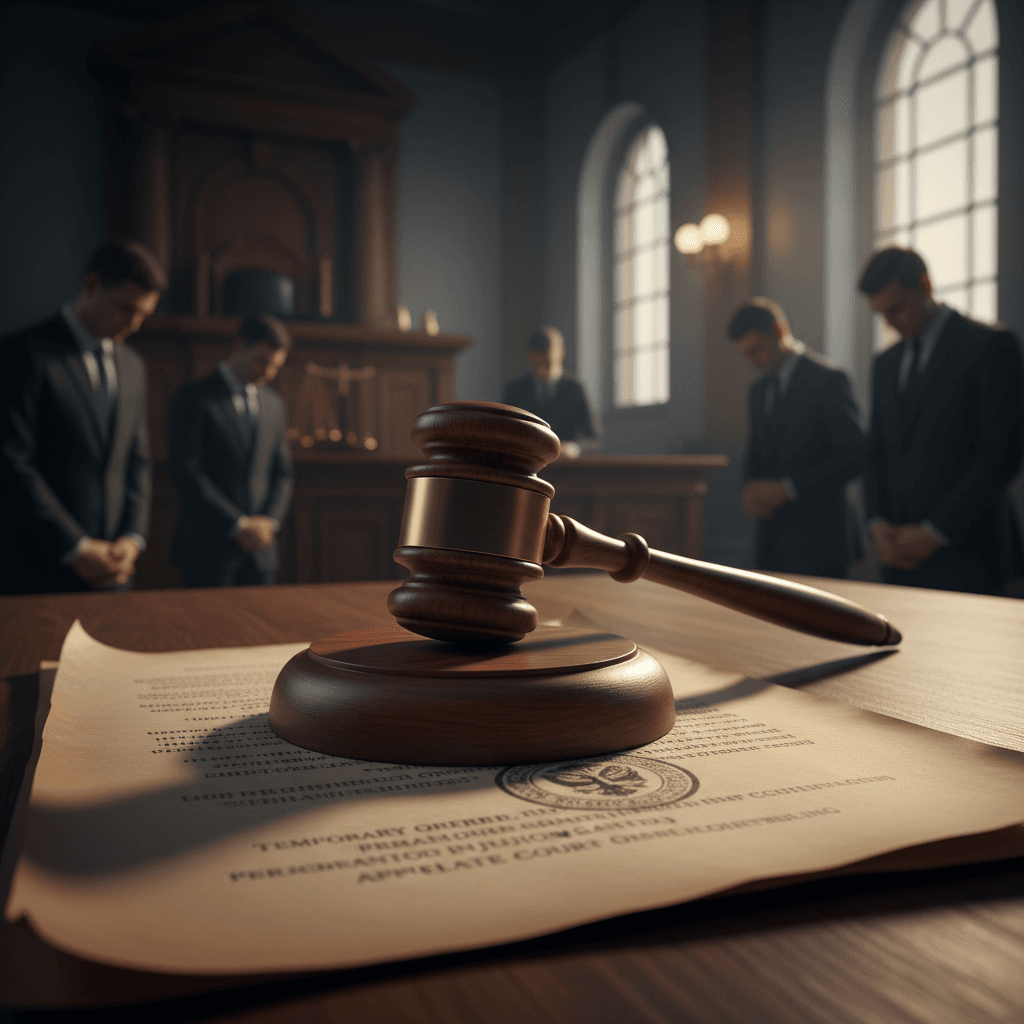
A Travis County district judge has issued a temporary injunction allowing the continued sale of natural smokable hemp products in Texas until at least July 27. The ruling by Judge Daniella DeSeta Lyttle extends a previous pause on a statewide ban and prevents new testing requirements and significant licensing fee increases from taking effect. This decision follows a lawsuit filed by the Texas Hemp Business Council, Hemp Industry & Farmers of America, and several Texas-based dispensaries and manufacturers against the Texas Department of State Health Services (DSHS) and the Health and Human Services Commission (HHSC).
The injunction maintains the status quo, allowing businesses to operate under the prior regulatory framework while the legal challenge proceeds. The industry argued that the DSHS overstepped its constitutional authority by redefining statutory definitions of hemp established by lawmakers in 2019.
Legal Arguments and Economic Impact
Attorneys for the hemp industry contended that the DSHS’s new rules, which include a 0.3% total THC threshold, effectively dismantle the industry by making natural smokable hemp products non-compliant. Jason Snell, an attorney for the hemp businesses, stated that agency bureaucrats lack accountability to the people of Texas, and their authority is limited to implementing legislative policy, not replacing it. Conversely, state attorneys argued that Texas law mandates the health agency to prioritize Texans’ well-being in rulemaking, justifying the new hemp regulations. Judge Lyttle disagreed, finding that the rules were causing irreparable harm to the industry.
The economic ramifications of the proposed regulations were a central point of contention. Beau Whitney, founder and chief economist at Whitney Economics, testified that his impact report projected a $7.2 billion negative impact on the Texas economy due to job losses and reduced tax revenue from hemp retail closures. Industry representatives reported that businesses had already experienced over 50% revenue loss since the rules were initially implemented, with manufacturers halting production due to increased licensing fees and farmers refraining from planting crops.
Regulatory Changes and Industry Concerns
The DSHS regulations, which went into effect on March 31, included:
- Child-resistant packaging requirements.
- Significant increases in licensing fees for manufacturers (from $258 to $10,000 per facility) and retailers (from $155 to $5,000 per location).
- New labeling, testing, and bookkeeping requirements.
- Codification of the legal purchasing age to 21.
A key change involved laboratory tests measuring the total amount of any THC in a product, including tetrahydrocannabinolic acid (THCA) after decarboxylation. If total THC levels exceed the 0.3% threshold, products become non-compliant, potentially impacting items like THCA flower and pre-rolled joints. Businesses found selling noncompliant products face penalties including license revocation and fines up to $10,000 per day. The new testing requirements also impacted other hemp-derived products such as hair gels, bath bombs, balms, tinctures, and dog treats, as previously reported by Hemp Gazette.
The state’s concerns stemmed from reports of hemp products containing high levels of THCA being sold and consumed recreationally, including by minors. Data from the Texas Poison Center Network indicated a rise in cannabis-related poisoning calls, from 923 in 2019 to 2,669 last year, with a majority involving children under five and teenagers.
Related Supreme Court Ruling and Federal Context
In a separate but related development, the Texas Supreme Court ruled that the DSHS has the authority to ban delta-8 THC, an intoxicating hemp compound. This decision, which overturned a lower court injunction, affirmed the state health agency’s right to remove substances from the market to protect Texans. This ruling is expected to influence the ongoing lawsuit regarding smokable hemp, as both cases challenge the scope of the state health agency’s regulatory authority without direct legislative approval.
Federally, while the government clarified its definition of hemp last November to include a 0.3% total THC concentration, this new definition is not yet in effect until the coming November. There are ongoing efforts in Congress to modify this federal ban or allow states to opt out of the new definition.
Disclaimer: This article is for informational purposes only and does not constitute medical advice. Hemp Gazette does not provide medical recommendations, diagnoses, or treatment plans. Always consult a qualified healthcare practitioner before making any decisions regarding your health or any medical condition. Statements concerning the therapeutic uses of hemp, cannabis, or cannabinoid-derived products have not been evaluated by Australia’s Therapeutic Goods Administration (TGA). Medicinal cannabis products in Australia are accessed via prescription pathways under TGA regulation.