
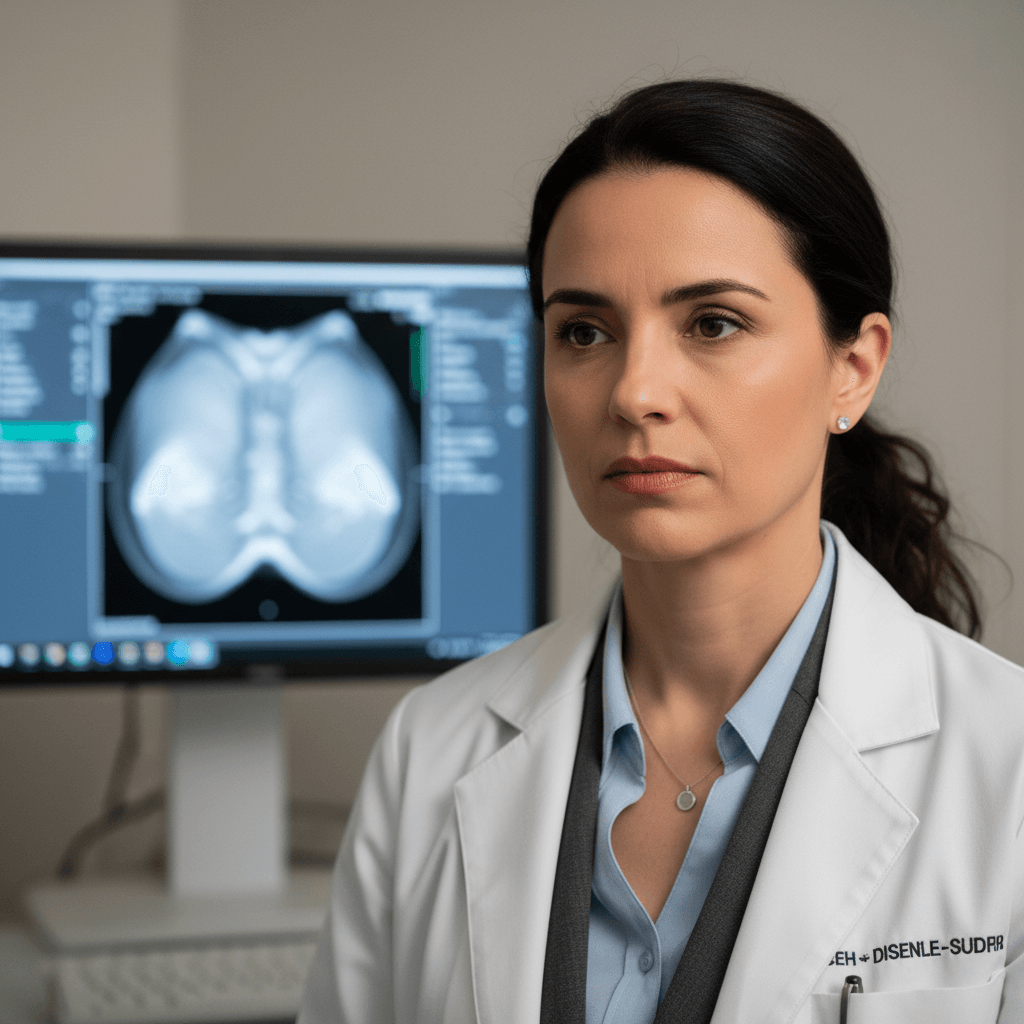
President Donald Trump’s recent nomination for Surgeon General, Dr. Nicole Saphier, has brought her nuanced perspectives on medicinal cannabis and potential cannabis health considerations into the spotlight. Dr. Saphier, who currently serves as director of breast imaging at Memorial Sloan Kettering, has publicly expressed concerns regarding the broader use of cannabis while also acknowledging its potential therapeutic applications in specific medical contexts.
Her views are particularly relevant as the U.S. administration considers federal rescheduling of cannabis, a process that, while not directly involving the Surgeon General, benefits from public health guidance from the “America’s doctor” role.
Examining Cannabis Health Considerations and Public Health Concerns
Dr. Saphier has consistently highlighted what she perceives as significant public health considerations associated with cannabis use. In a 2019 op-ed for Fox News, she stated, “As a medical doctor I know that marijuana is far from harmless and can have serious damaging effects on the health of users.” She also expressed concern that legalising cannabis for adults might inadvertently signal to younger individuals that it carries no negative health impact.
Among the specific health concerns Dr. Saphier has raised, as reported by Marijuana Moment, is a potential link between cannabis consumption and gynecomastia, commonly referred to as “man boobs.” She noted in her Fox News piece, “Physically, we know that marijuana is directly linked to breathing problems (if smoked), cardiovascular disease and gynecomastia (‘man boobs’). As a breast radiologist, the first question I ask men when they come in because of enlarging breasts is whether they currently smoke marijuana or have smoked it in the past. Many times, the answer is ‘yes.’”
Her concerns extend to the evolving nature of cannabis products. Dr. Saphier has pointed out that “today’s cannabis, it’s not your parents’ marijuana. THC potency has increased dramatically over the past two decades. High concentrate products, vapes, dabs, edibles, whatever the kids are doing these days, I don’t even know.” She has also suggested that increased legalisation could be associated with higher rates of use among young people, potentially leading to addiction and an increased risk of psychosis, stating that “one in six kids who try it, they become addicted. Cannabis use in kids, four times the risk of psychoses.”
Acknowledging Medicinal Cannabis Potential
Despite her reservations about widespread recreational use and the associated cannabis health considerations, Dr. Saphier has acknowledged the legitimate therapeutic applications of medicinal cannabis. In a podcast earlier this year, she stated there are “potential benefits” of medical cannabis, citing specific areas where evidence exists:
- Chemotherapy-induced nausea
- Certain seizure disorders
- Chronic pain syndromes
- Multiple sclerosis
She emphasised that these specific medical applications are “very different than just, you know, blanket normalization of recreational high-potency daily use cannabis, especially in those who brains are still developing, which doesn’t happen until about 25.”
Perspectives on THC and CBD
Dr. Saphier has also articulated a clear distinction between THC and CBD. While expressing a personal disinclination towards THC, she appears more open to the non-intoxicating cannabinoid. “I think CBD products are probably significantly less harmful if they don’t contain THC. I am not a fan of THC,” she said in the same podcast. She added, “I think if people are trying to get away from alcohol and they want to take low doses of CBD, not inhaling it, not smoking anything, I’m sure it’s probably less risky than some of the other things out there.” This perspective aligns with a cautious approach to cannabinoid use, particularly favouring compounds with a lower psychoactive profile.
Conclusion
Dr. Nicole Saphier’s nomination for Surgeon General brings a voice that balances concerns about potential cannabis health considerations with an acknowledgment of its medicinal utility. Her emphasis on distinguishing between regulated medical applications and the broader public health implications of high-potency recreational use underscores the ongoing need for rigorous scientific inquiry and careful policy development in the evolving landscape of cannabis regulation.
Disclaimer: This article is for informational purposes only and does not constitute medical advice. Hemp Gazette does not provide medical recommendations, diagnoses, or treatment plans. Always consult a qualified healthcare practitioner before making any decisions regarding your health or any medical condition. Statements concerning the therapeutic uses of hemp, cannabis, or cannabinoid-derived products have not been evaluated by Australia’s Therapeutic Goods Administration (TGA). Medicinal cannabis products in Australia are accessed via prescription pathways under TGA regulation.