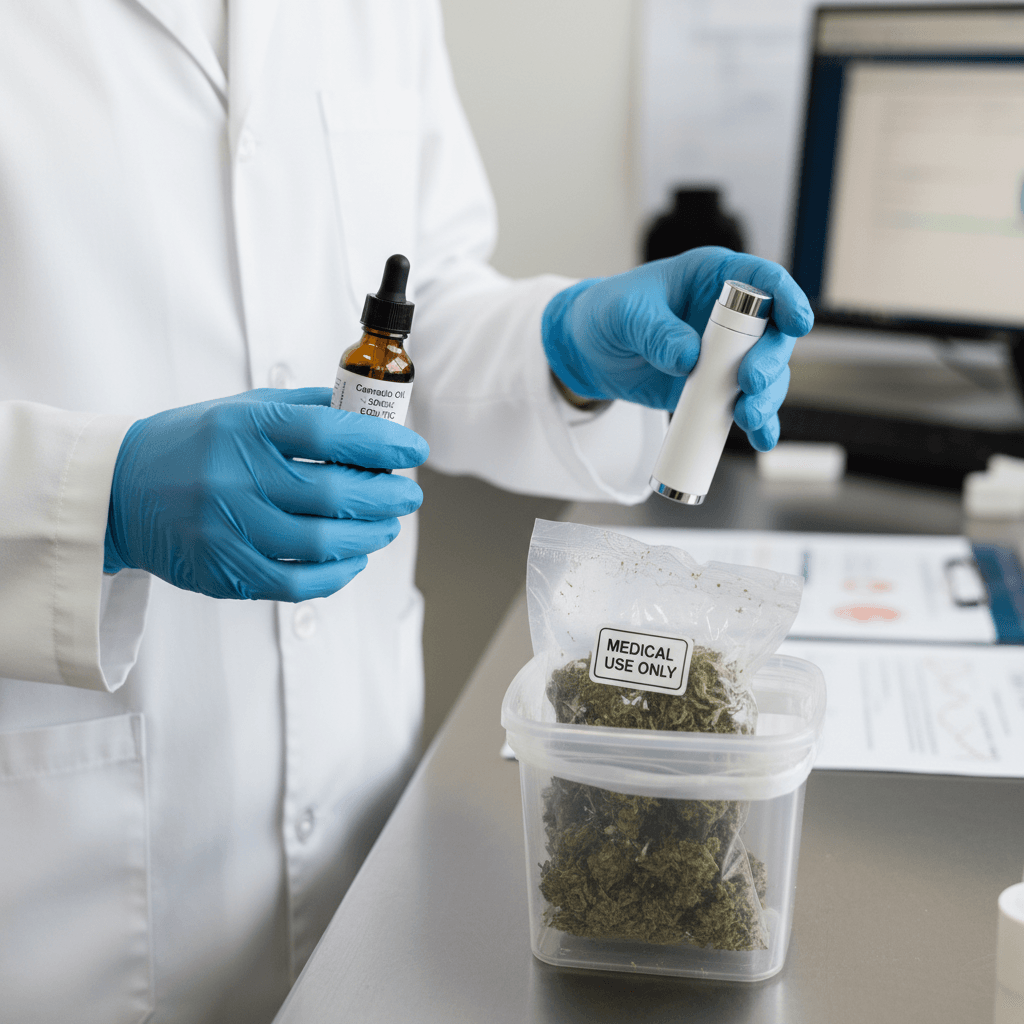
The Israeli Health Ministry is moving to significantly tighten its medical cannabis regulation, proposing a series of reforms aimed at reining in a market that has seen rapid expansion. Recommendations from a committee headed by Dr. Gilad Bodenheimer, head of the ministry’s mental health division, include a phased ban on smokable cannabis and a transfer of treatment responsibility to health maintenance organizations (HMOs), as reported by GN: medicinal cannabis. This initiative represents a shift from the country’s previous approach to medical cannabis, which has led to Israel becoming one of the world’s most active markets.
Market Expansion and Usage Trends
Over the past decade, Israel’s medical cannabis landscape has evolved considerably. The number of medical cannabis licenses increased from approximately 33,000 at the launch of medicalization reforms to about 140,000 in 2024, according to GN: medicinal cannabis. This fourfold increase has coincided with usage patterns that ministry officials describe as resembling a consumer market more than a healthcare system.
- High THC Concentration: Approximately 88% of licenses are for high-THC products.
- Smoking Prevalence: About 87% of patients consume cannabis by smoking, with 98% of licenses involving this form of use.
- Consumption Volume: Around 62% of patients consume more than 30 grams per month.
- Demographics: Consumption is notably higher among men and individuals under 45.
The Israeli medical cannabis market was estimated at approximately US$159 million, with a forecast to reach US$327 million by 2025, based on New Frontier Data’s 2025 global report cited by GN: medicinal cannabis. The report also identified Israel as the most developed medical cannabis market outside North America, with a penetration rate of about 1%, significantly higher than leading European countries.
Key Regulatory Recommendations
The Health Ministry’s committee has put forth several critical recommendations to reshape Israeli medical cannabis regulation, building on earlier Hemp Gazette coverage regarding proposed guideline overhauls and recommendations to phase out smoked medical cannabis.
- Phased Ban on Smokable Cannabis: The most significant recommendation is a three-year phased ban on smokable cannabis, with exceptions only for patients over 75 and terminally ill individuals. The ministry notes that smoking is not a standard medical administration route, and regulatory bodies like the U.S. Food and Drug Administration have not approved smoked products as medicine. The Times of Israel also reported that the committee cited health risks and inconsistent absorption as reasons for this shift towards extracts, oils, or inhalers.
- Transfer to HMO Responsibility: Within one year, all medical cannabis treatment would be transferred to Israel’s health maintenance organizations. This move aims to integrate cannabis into the standard healthcare system, centralizing diagnosis, approval, dispensing, and follow-up within the patient’s insurer.
- Tightened PTSD Criteria: The committee recommends increased caution in approving cannabis for Post-Traumatic Stress Disorder (PTSD), aligning with positions from the FDA and Israel’s National Council for Post-Trauma. Access would be limited to patients in severe states of distress involving lack of sleep, significant agitation, and flashbacks, and only alongside proven treatment such as psychotherapy.
Disclaimer: This article is for informational purposes only and does not constitute medical advice. Hemp Gazette does not provide medical recommendations, diagnoses, or treatment plans. Always consult a qualified healthcare practitioner before making any decisions regarding your health or any medical condition. Statements concerning the therapeutic uses of hemp, cannabis, or cannabinoid-derived products have not been evaluated by Australia’s Therapeutic Goods Administration (TGA). Medicinal cannabis products in Australia are accessed via prescription pathways under TGA regulation.