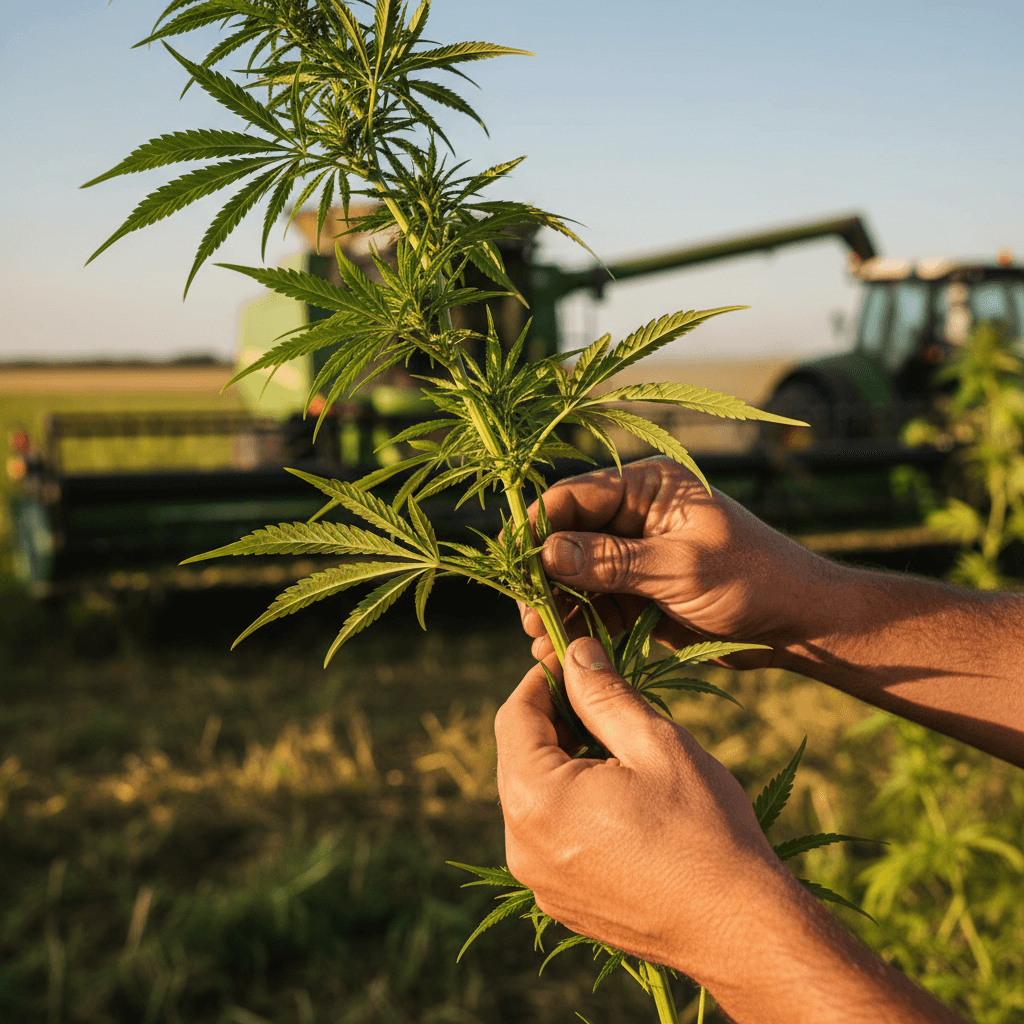
The development of the United States’ industrial hemp market is currently navigating significant policy challenges, according to a recent analysis. While the 2018 Farm Bill aimed to establish a clear pathway for the agricultural commodity, ongoing regulatory ambiguities are impacting its economic potential, particularly for fiber and grain sectors.
The 2018 Farm Bill and Industrial Hemp Growth
The 2018 Farm Bill, which included the Hemp Farming Act, legalized industrial hemp, intending to foster new economic opportunities for American farmers. This legislative action sought to re-establish hemp as a legitimate agricultural commodity, allowing its component parts to compete in various markets.
Data indicates sustained growth in hemp farming across the country, with year-over-year expansion rates exceeding 30%. This growth signals demand and adoption within the agricultural sector. The broader economic potential, particularly in grain, feed, and oilseed markets, is estimated to represent a multi-tens-of-billions-of-dollars opportunity capable of supporting tens of thousands of American jobs, as noted in a Courier-Journal opinion piece by Geoff Whaling, chairman of the board of directors of The National Hemp Association.
Regulatory Ambiguity and Market Diversion
Exploiting Legal Gray Areas
Despite the initial intent of the 2018 Farm Bill, a segment of producers has exploited legal gray areas by creating intoxicating tetrahydrocannabinol (THC) products derived from hemp and marketing them as such. These products, often sold with minimal oversight, operate outside traditional agricultural frameworks and have raised public health concerns due to their intoxicating properties.
Legislative Proposals and Industry Needs
Recent legislative efforts have been criticized for prioritizing the protection of this unregulated intoxicant market, rather than addressing the fundamental needs of the industrial hemp sector. Such proposals have been identified as lacking meaningful frameworks for:
- Fiber and grain market development.
- Food, feed, or low-dose beverage regulations.
- Strategies for building a robust domestic supply chain.
This focus on intoxicating products, rather than the core agricultural applications of industrial hemp, risks diverting policy attention and resources away from the industry’s broader potential.
Proposed Framework for Industrial Hemp Policy
To address these challenges, a disciplined approach to industrial hemp policy is advocated, focusing on clear distinctions and rational frameworks:
Clear Statutory Distinctions
A primary recommendation involves establishing a clear statutory distinction between true industrial hemp, which encompasses fiber and grain, and cannabinoid products. These are identified as fundamentally different markets, each possessing distinct risk profiles, end uses, and regulatory requirements.
Rational Cannabinoid Framework
For cannabinoid products, a rational framework is proposed, including:
- A lawful pathway for non-intoxicating, naturally occurring cannabinoids, regulated through the U.S. Food and Drug Administration (FDA).
- Clear guardrails and appropriate oversight for intoxicating products.
- A defined regulatory lane for low-dose hemp beverages, potentially overseen and taxed by the Alcohol and Tobacco Tax and Trade Bureau (TTB).
Unlocking the Agricultural Economy
To fully realize the agricultural economy that industrial hemp was intended to serve, policy adjustments are suggested to include:
- Federal recognition of hemp grain and ingredients within food and feed systems.
- Established pathways for domestic animal feed approvals.
- Support for fiber processing, manufacturing, and market development initiatives.
- Alignment with relevant federal programs, including Centers for Medicare & Medicaid Services (CMS) pathways where applicable.
These proposed policy adjustments aim to provide a stable and predictable regulatory environment for the industrial hemp industry, enabling legitimate operators to build supply chains, invest in infrastructure, and develop markets for fiber and grain.
Disclaimer: This article is for informational purposes only and does not constitute medical advice. Hemp Gazette does not provide medical recommendations, diagnoses, or treatment plans. Always consult a qualified healthcare practitioner before making any decisions regarding your health or any medical condition. Statements concerning the therapeutic uses of hemp, cannabis, or cannabinoid-derived products have not been evaluated by Australia’s Therapeutic Goods Administration (TGA). Medicinal cannabis products in Australia are accessed via prescription pathways under TGA regulation.