
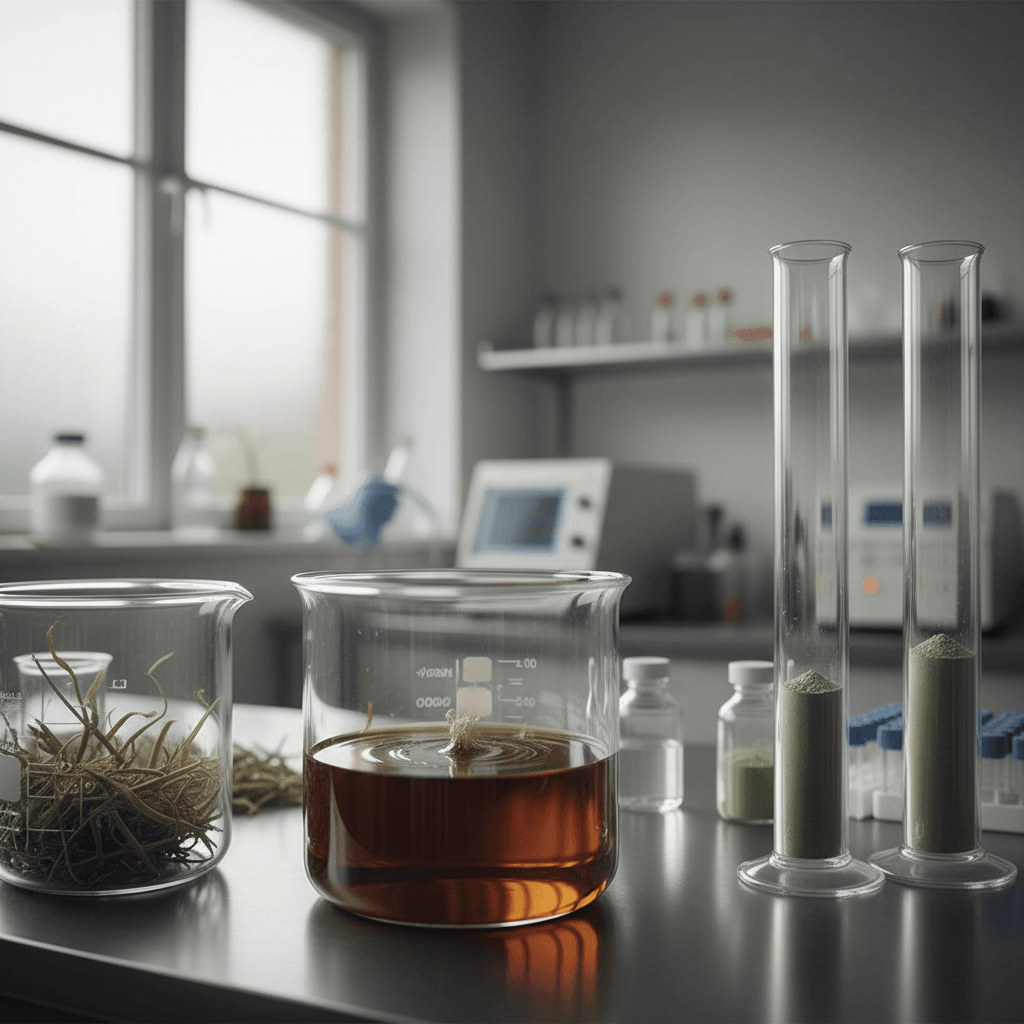
New research into a novel fixed-dose combination of cannabidiol (CBD) and hydroxychloroquine (HCQ), known as IHL-675 A, has reported initial findings from a Phase 1 clinical trial. This investigational product is being developed for the potential management of inflammatory conditions, such as rheumatoid arthritis.
The study, conducted in healthy volunteers, assessed the pharmacokinetics (how the body absorbs, distributes, metabolises, and excretes the compounds) and tolerability of IHL-675 A. The findings suggest that this combination of CBD and hydroxychloroquine was generally well tolerated, with both active pharmaceutical ingredients demonstrating bioavailability.
Understanding IHL-675 A and its Purpose
IHL-675 A is an investigational product. It combines 75 mg of CBD and 100 mg of HCQ in a single gel cap. Hydroxychloroquine is a well-established medication approved for conditions like systemic lupus erythematosus and rheumatoid arthritis, recognised for its anti-inflammatory properties. CBD, a non-intoxicating cannabinoid, has also shown anti-inflammatory activity in pre-clinical studies.
Immune-mediated inflammatory diseases (IMIDs), including rheumatoid arthritis, asthma, and inflammatory bowel disease, represent a significant global health challenge. The introduction to the study highlights a global increase in these conditions, underscoring the need for new therapeutic approaches.
Synergistic Potential of the Combination
Researchers hypothesise that combining CBD and HCQ could lead to synergistic anti-inflammatory activity due to their distinct mechanisms of action. HCQ is thought to interfere with antigen presentation and toll-like receptor signalling, while CBD’s anti-inflammatory effects are mediated, in part, by cannabinoid receptors and other cellular pathways.
Phase 1 Trial Design and Key Findings
This Phase 1, randomised, comparator-controlled clinical trial involved 36 healthy volunteers, divided into three treatment arms:
- IHL-675 A arm: Received 150 mg CBD and 200 mg HCQ.
- Epidiolex arm: Received 150 mg CBD (a reference listed drug).
- Plaquenil arm: Received 200 mg HCQ (a reference listed drug).
Participants were followed for four weeks, with safety assessments including vital signs, electrocardiogram (ECG) parameters, and clinical laboratory parameters. Plasma concentrations of CBD, HCQ, and their major metabolites were measured at predefined timepoints.
Tolerability and Safety Profile
The study reported that IHL-675 A was generally well tolerated, exhibiting a similar adverse event profile compared to the reference drugs, Epidiolex and Plaquenil. Importantly, no serious adverse events (SAEs) were reported during the trial. This aligns with previous research on CBD, which has been well tolerated in healthy volunteers at various doses, as noted in the study’s introduction.
Pharmacokinetic Observations
The pharmacokinetic analysis revealed that both CBD and HCQ were bioavailable when administered as IHL-675 A. While there were non-statistically significant differences in the pharmacokinetics of both compounds when compared to their individual reference drugs, some notable trends emerged:
- There was an approximately 50% increase in the maximum plasma concentration (Cmax) of CBD for IHL-675 A compared to Epidiolex, alongside a slight increase of approximately 10% in overall exposure (AUC).
- The Cmax of HCQ for IHL-675 A was comparable to Plaquenil, though there was an approximate 15% decrease in its overall exposure (AUC).
These findings support the continued clinical development of IHL-675 A for inflammatory conditions.
Future Implications for Inflammatory Conditions
The positive tolerability and bioavailability data from this Phase 1 trial represent an important step in exploring new therapeutic options for immune-mediated inflammatory diseases. While this early-stage research in healthy volunteers does not provide efficacy data for patient populations, it lays the groundwork for further clinical investigation into the potential of CBD and hydroxychloroquine in combination. As previously reported by Hemp Gazette, Australian companies are actively engaged in cannabinoid research for various medical applications, and this study contributes to the growing body of evidence in this field.
Further clinical evaluation will be essential to determine the therapeutic potential of IHL-675 A in patients living with conditions like rheumatoid arthritis, where current treatments may not be effective for all individuals.
Disclaimer: This article is for informational purposes only and does not constitute medical advice. Hemp Gazette does not provide medical recommendations, diagnoses, or treatment plans. Always consult a qualified healthcare practitioner before making any decisions regarding your health or any medical condition. Statements concerning the therapeutic uses of hemp, cannabis, or cannabinoid-derived products have not been evaluated by Australia’s Therapeutic Goods Administration (TGA). Medicinal cannabis products in Australia are accessed via prescription pathways under TGA regulation.