
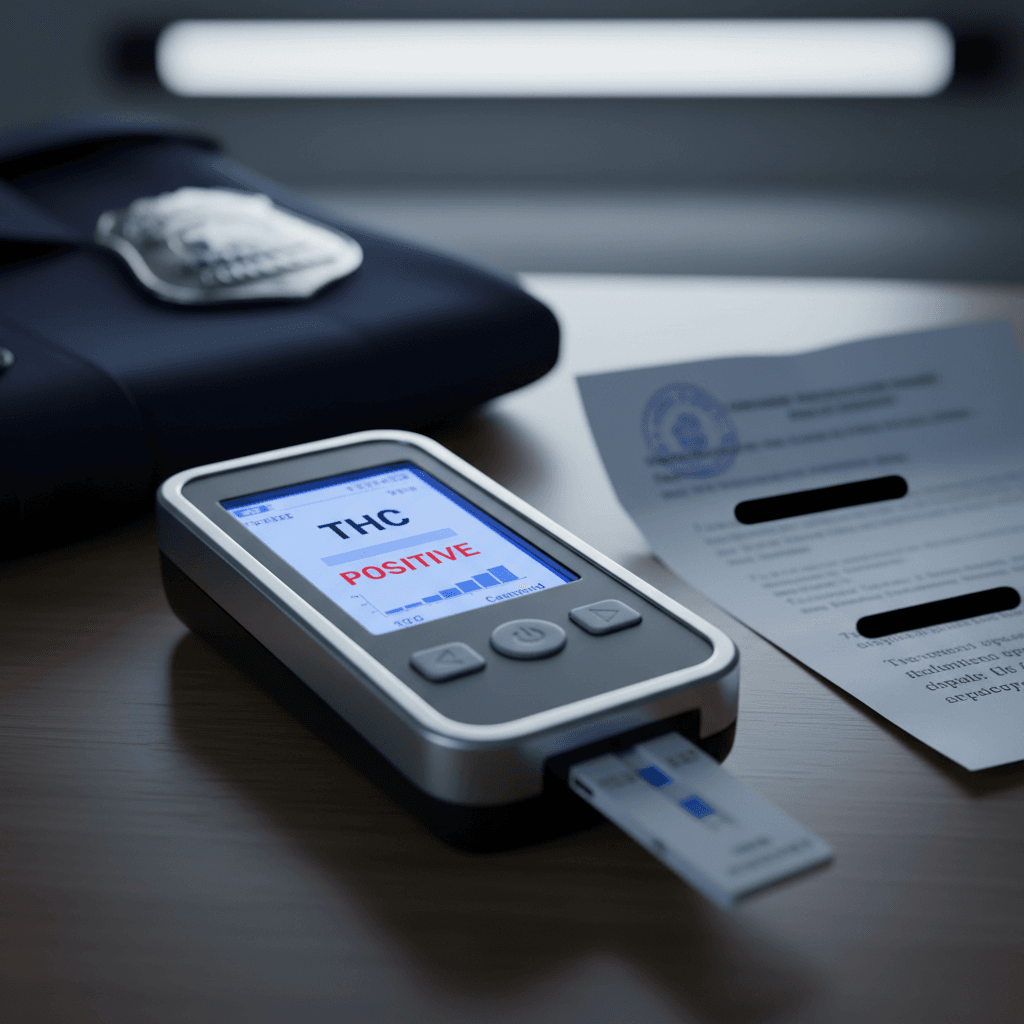
A recent court decision in Barry, Wales, has resulted in a driving ban for an individual who exceeded the legal limit for delta-9-tetrahydrocannabinol while operating a vehicle. The case underscores the ongoing enforcement of drug driving regulations and the specific legal thresholds established for cannabinoids.
Enforcement of Delta-9-Tetrahydrocannabinol Limits
Cody Raisis, 20, of Colcot Road, Barry, admitted to drug driving after being stopped on Ramsey Road on January 6. Cardiff Magistrates’ Court heard that Raisis was found to be over the prescribed legal limit for delta-9-tetrahydrocannabinol, the primary psychoactive cannabinoid found in cannabis.
The enforcement of specific delta-9-tetrahydrocannabinol limits for drivers is a component of broader public safety measures aimed at mitigating impaired driving. Jurisdictions globally implement varying thresholds for cannabinoids in a driver’s system, reflecting legislative efforts to balance public health with individual liberties. These limits are typically established based on scientific understanding of impairment effects, though the precise correlation between blood concentration and driving performance remains an area of ongoing research.
Court Ruling and Penalties
Magistrates imposed a 12-month driving disqualification on Raisis. Additionally, a fine of £120 was issued, reduced from £180 due to an early guilty plea. The defendant was also ordered to pay £85 in court costs and a £48 victim surcharge, according to a report by Barry and District News.
The penalties reflect the legal system’s response to offenses involving impaired driving, with the driving ban being a significant consequence designed to deter future violations and ensure road safety.
Broader Context of Cannabinoid Drug Driving Regulations
The case highlights the operational reality of drug driving laws in the United Kingdom, which, like many other nations, has established specific limits for various controlled substances, including delta-9-tetrahydrocannabinol. These regulations are distinct from those governing alcohol impairment, often relying on analysis to determine compliance with statutory limits.
For operators and policy professionals, such enforcement actions serve as a reminder of the strict legal environment surrounding driving under the influence of controlled substances. The presence of detectable levels of delta-9-tetrahydrocannabinol above a specified limit can lead to prosecution, irrespective of perceived impairment levels by the driver. This objective standard aims to provide clarity for law enforcement and the judiciary in assessing drug driving offenses. The consistent application of these limits is a key aspect of maintaining road safety standards and public confidence in regulatory frameworks.
Disclaimer: This article is for informational purposes only and does not constitute medical advice. Hemp Gazette does not provide medical recommendations, diagnoses, or treatment plans. Always consult a qualified healthcare practitioner before making any decisions regarding your health or any medical condition. Statements concerning the therapeutic uses of hemp, cannabis, or cannabinoid-derived products have not been evaluated by Australia’s Therapeutic Goods Administration (TGA). Medicinal cannabis products in Australia are accessed via prescription pathways under TGA regulation.