
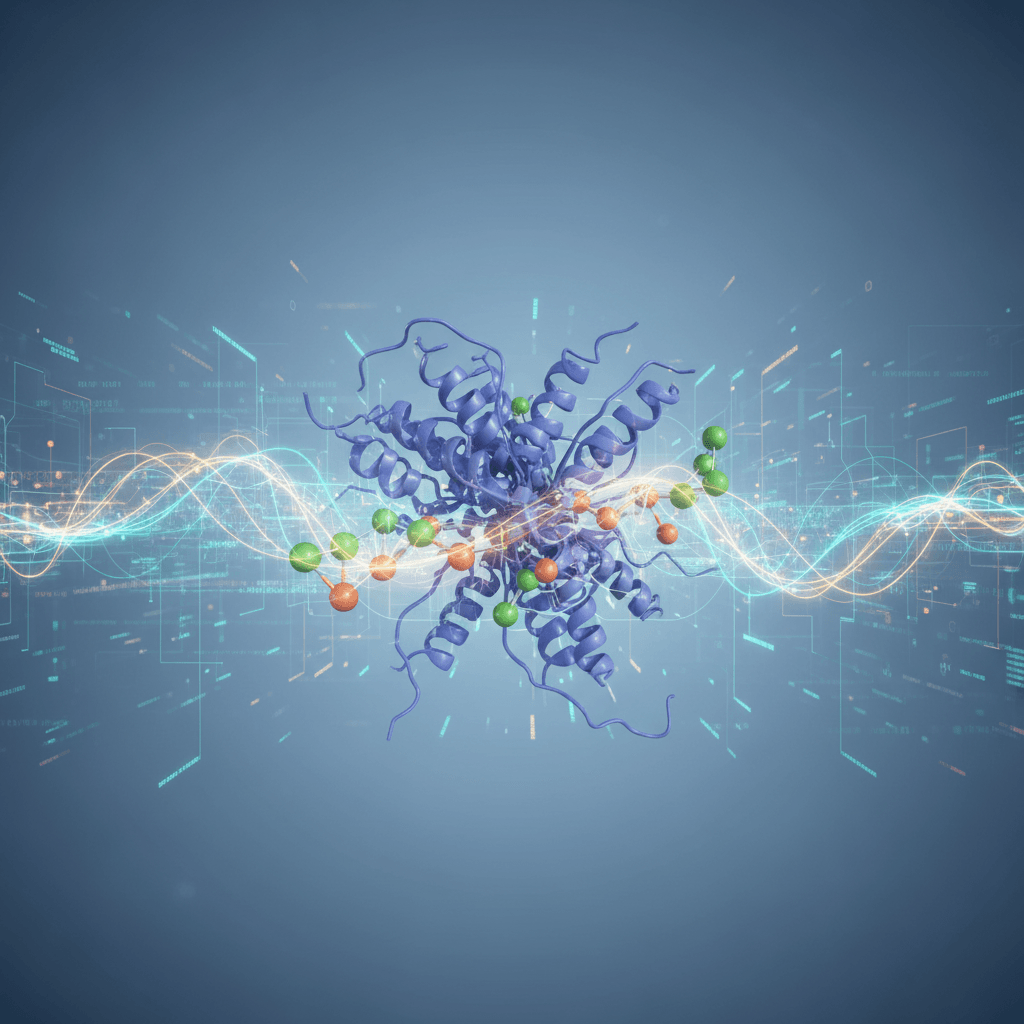
Understanding how substances interact with the cannabinoid 1 receptor (CB1 receptor) is crucial for both therapeutic development and public health. A recent study published in Frontiers in Pharmacology explores the use of explainable Artificial Intelligence (xAI) and machine learning (ML) to predict the binding affinity and functional potency of various compounds, including synthetic cannabinoid receptor agonists (SCRAs), at the CB1 receptor.
Binding affinity reflects the strength of a molecule’s attachment to a receptor, while functional potency describes the downstream biological effects, such as receptor activation. These two properties, though related, can be influenced by different molecular characteristics. Researchers highlight that understanding these distinct molecular features is essential for rational drug design and for addressing the challenges posed by new psychoactive substances (NPS) in rapidly evolving markets.
Machine Learning Models and the CB1 Receptor
The research team compiled publicly available data on CB1 receptor affinity and potency. They then employed molecular descriptors and fingerprints to train five different machine learning classification models. A key aspect of their approach involved the use of explainable Artificial Intelligence, specifically SHAP values, to analyse which molecular features were most influential in driving affinity and potency.
Key findings from the study include:
- Model Performance: XGBoost (XGB) and Random Forest (RF) models demonstrated strong performance in predicting both binding affinity and potency, particularly when using molecular descriptors and Extended Connectivity Fingerprints (ECFP). These models achieved recall, precision, and F1 scores exceeding 90%.
- Distinct Molecular Drivers: The study identified that binding affinity primarily relies on a substance’s lipophilicity and membrane-partitioning descriptors. In contrast, functional potency was found to depend on a broader combination of molecular characteristics, including lipophilicity, shape, branching, and electronic descriptors.
- Explainable AI Insights: By mapping SHAP values to selected NPS, the researchers were able to highlight specific structural features that positively or negatively impacted high affinity and potency. This provides a mechanistic interpretation of structure-activity relationships, which is valuable for understanding how different chemical structures lead to varying pharmacological outcomes.
The ability to predict these properties at the CB1 receptor is particularly relevant given the emergence of SCRAs, a class of NPS that are often full agonists of the CB1 receptor. These substances are associated with a range of potentially serious adverse effects, including psychosis, anxiety, seizures, and kidney injury, as noted in the study.
Implications for Understanding Cannabinoid Interactions
This research builds upon earlier efforts to model ligand-receptor interactions using machine learning, as previously covered by Hemp Gazette in articles discussing cannabinoid clinical trials and the diverse range of cannabinoids. The integration of xAI methods not only allows for accurate predictions but also offers mechanistic interpretations of how molecular structures influence receptor interactions. This is a significant step towards identifying key molecular substructures that modulate receptor activity.
For clinicians, patients, and policymakers, these advancements in predictive toxicology offer a more nuanced understanding of how various compounds interact with the CB1 receptor. Such insights could inform risk assessments for new substances and potentially aid in the development of safer therapeutic compounds by highlighting the molecular features associated with specific pharmacological profiles. The study underscores the ongoing need for robust scientific methods to keep pace with the rapid evolution of new substances and their potential health impacts.
Disclaimer: This article is for informational purposes only and does not constitute medical advice. Hemp Gazette does not provide medical recommendations, diagnoses, or treatment plans. Always consult a qualified healthcare practitioner before making any decisions regarding your health or any medical condition. Statements concerning the therapeutic uses of hemp, cannabis, or cannabinoid-derived products have not been evaluated by Australia’s Therapeutic Goods Administration (TGA). Medicinal cannabis products in Australia are accessed via prescription pathways under TGA regulation.