
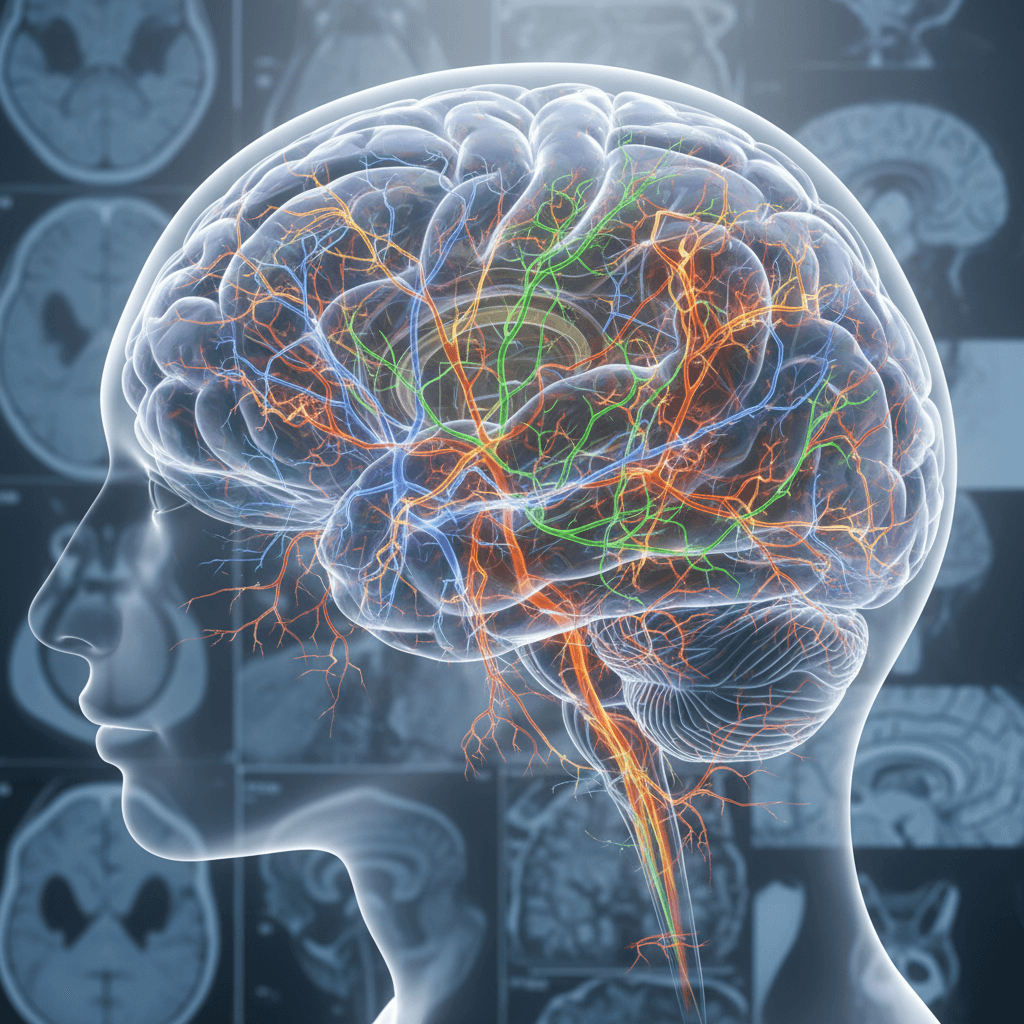
Understanding the complex biological underpinnings of substance use disorders, often referred to as addiction mechanisms, remains a significant global health priority. Recent research is expanding our understanding beyond traditional dopamine-centric models, suggesting that addiction involves a broader network of interacting brain systems. A comprehensive review published in Frontiers in Pharmacology highlights a multisystem, network-based model of reward regulation, which could offer new avenues for targeted interventions.
The Evolving View of Addiction Mechanisms
For many decades, the mesolimbic dopaminergic system was largely regarded as the principal substrate of reinforcement learning and reward processing. However, the review by Oscar Arias-Carrión and colleagues suggests that addiction cannot be fully explained by dysfunctions solely within these dopaminergic circuits. Instead, it reflects maladaptive interactions across a distributed network of neuromodulatory and glial systems. This perspective aligns with a growing body of evidence indicating that dopamine contributes to a wider range of functions beyond just reward, including movement, attention, motivation, and the processing of aversive events.
This expanded perspective conceptualises reward and aversion within a unified framework of “valence processing”—the brain’s capacity to assign positive or negative value to internal or external stimuli. According to the researchers, dopaminergic activity dynamically interacts with several other systems to shape motivation, reinforcement learning, and affective regulation. These include:
- Orexinergic systems
- Histaminergic systems
- The endocannabinoid system
- Metabolic pathways
- Stress-related systems
This intricate interplay suggests that addiction mechanisms are an emergent property of these distributed brainstem–cortical circuits, rather than a single pathway dysfunction. The review notes that while dopamine neurons represent a small fraction of brain cells, their extensive axonal arborization allows them to exert a disproportionate influence over motivation, learning, and affect.
The Endocannabinoid System and Neuromodulation
The review specifically highlights the role of the endocannabinoid system within this broader network. Endocannabinoids, which are produced by the body on demand, act as retrograde signals. They are understood to suppress presynaptic inhibition and modulate both glutamatergic and GABAergic inputs, potentially facilitating dopamine release under conditions of heightened salience or physiological need. This modulation by endocannabinoids contributes to the complex regulation of motivational drive and reward processing, demonstrating how various neuromodulators converge to influence behaviour.
Beyond the endocannabinoid system, the review also introduces the subventricular tegmental nucleus (SVTg) as a novel brainstem node. This previously overlooked structure has been identified as potentially exerting inhibitory control over the lateral habenula and modulating dopaminergic tone, thereby shaping reward and anxiety states. Preliminary research suggests the SVTg may function as a valence node, balancing approach and avoidance signals within the lateral habenula–ventral tegmental area axis. Optogenetic manipulations of this nucleus have been shown to bidirectionally influence reward seeking and aversion, indicating its potential significance in the distributed circuitry of valence regulation.
The authors explain that drugs of abuse exploit this complex architecture by producing exaggerated dopaminergic responses in mesolimbic circuits. This can hijack adaptive learning mechanisms and assign excessive incentive salience to drug-associated cues, leading to the persistence and generalisation of maladaptive motivational states.
Implications for Future Therapeutic Approaches
The multisystem, network-based model of addiction mechanisms offers a framework for developing more targeted and personalised treatments. By understanding addiction as a maladaptive reorganisation of these distributed neuromodulatory circuits—including mesolimbic, stress, and executive-control networks—researchers can explore interventions that address multiple points of dysregulation. This approach moves beyond focusing on single neuromodulators in isolation.
The authors suggest that future progress in addressing substance use disorders will depend on integrating advanced research techniques, such as:
- Single-cell transcriptomics
- Real-time neuroimaging
- Computational psychiatry
- Pharmacogenomics
This integrated approach aims to develop mechanistically informed, personalised treatments, moving towards precision medicine in substance use and related neuropsychiatric disorders. This perspective aligns with broader efforts in pharmacological research to explore diverse therapeutic targets for complex neurological conditions.
Disclaimer: This article is for informational purposes only and does not constitute medical advice. Hemp Gazette does not provide medical recommendations, diagnoses, or treatment plans. Always consult a qualified healthcare practitioner before making any decisions regarding your health or any medical condition. Statements concerning the therapeutic uses of hemp, cannabis, or cannabinoid-derived products have not been evaluated by Australia’s Therapeutic Goods Administration (TGA). Medicinal cannabis products in Australia are accessed via prescription pathways under TGA regulation.