
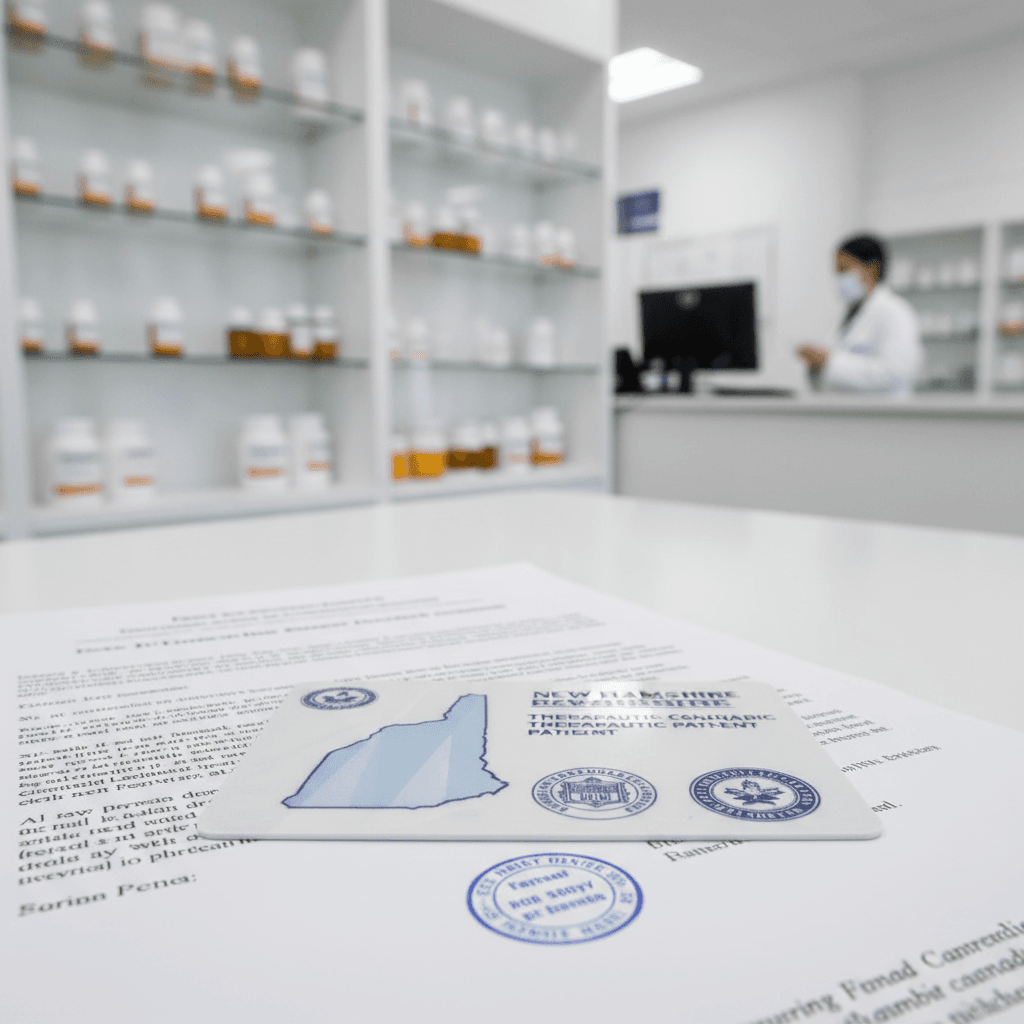
New Hampshire Medical Cannabis Program Expansion
New Hampshire’s Therapeutic Cannabis Program registered over 2,100 new patients last year, increasing the total registry to nearly 17,000 individuals. This 14.5% increase from the prior year represents the largest growth rate since 2021, according to state data. The expansion of the New Hampshire medical cannabis program is largely attributed to legislative changes enacted in 2024, which broadened patient eligibility criteria.
These policy adjustments allow medical providers to certify patients for any debilitating or terminal condition or symptom if the potential benefits of cannabis are deemed to outweigh the risks. Additionally, generalized anxiety disorder was added as a qualifying condition. The state Department of Health and Human Services, which oversees the program, reported that over 900 patients now list anxiety as their qualifying condition. Matt Simon, a lobbyist for GraniteLeaf Cannabis, one of the state’s three licensed providers, noted that while the growth has not been exponential, it has accelerated since the new bills took effect in late 2024, as reported by GN: medicinal cannabis.
As of June 2025, the program encompassed 16,846 certified patients or designated caregivers, representing approximately 1.2% of the state’s population. Simon estimates an additional 1,000 individuals have joined since that data collection. The Therapeutic Cannabis Program, established in 2013, remains the sole legal pathway for cannabis consumption in New Hampshire, with recreational use continuing to be prohibited.
Regulatory Environment and Federal Context
Patients in the New Hampshire medical cannabis program require a physician’s approval and a state-issued card to obtain products from seven dispensaries, also known as alternative treatment centers. These facilities are operated by three licensed producers: GraniteLeaf Cannabis, Sanctuary Medicinals, and Temescal Wellness. Dispensaries are located in Chichester, Conway, Dover, Keene, Lebanon, Merrimack, and Plymouth.
The recent federal reclassification of medical marijuana by the Trump administration as a less dangerous drug is expected to further support state-level programs, including New Hampshire’s. This change could facilitate increased cannabis research and offer potential tax benefits for producers, impacting the operational landscape for licensed entities.
Demographically, the program skews older, with nearly a quarter of patients aged between 55 and 65, and almost 70% over the age of 45. Chronic pain is the most frequently cited condition for which patients seek support. Patient concentrations are highest in southern New Hampshire and in municipalities hosting dispensaries, with Manchester recording the highest patient count at 1,150, and Concord ranging between 300 and 734 patients, according to state data.
Challenges in Access and Cost
Despite the growth in patient numbers, challenges related to cost and accessibility persist within the New Hampshire medical cannabis program. Jerry Knirk, a retired surgeon and state representative who chairs the Therapeutic Cannabis Medical Oversight Board, highlighted that the state’s stringent regulatory environment contributes to higher product costs. He noted that while regulations ensure high quality and product testing, they also increase expenses for patients.
Limited retail locations also pose an accessibility barrier, particularly for patients in the North Country who may face drives exceeding an hour to reach a dispensary. The Oversight Board and other advocates have consistently proposed legislative measures to address these concerns, including allowing patients to cultivate their own medicine at home and permitting dispensaries to utilize outdoor greenhouses to reduce electricity costs. While such legislation is frequently introduced, it has often encountered opposition due to security protocol concerns.
A bill to allow greenhouse cultivation is currently progressing through the State House. This follows former Governor Chris Sununu’s veto of a similar measure two years prior. Current Governor Kelly Ayotte has not publicly indicated her stance on the bill. Despite these ongoing challenges, Matt Simon reported an improvement in patient sentiment, noting that prices have somewhat decreased and overall program sentiment has improved.
Disclaimer: This article is for informational purposes only and does not constitute medical advice. Hemp Gazette does not provide medical recommendations, diagnoses, or treatment plans. Always consult a qualified healthcare practitioner before making any decisions regarding your health or any medical condition. Statements concerning the therapeutic uses of hemp, cannabis, or cannabinoid-derived products have not been evaluated by Australia’s Therapeutic Goods Administration (TGA). Medicinal cannabis products in Australia are accessed via prescription pathways under TGA regulation.